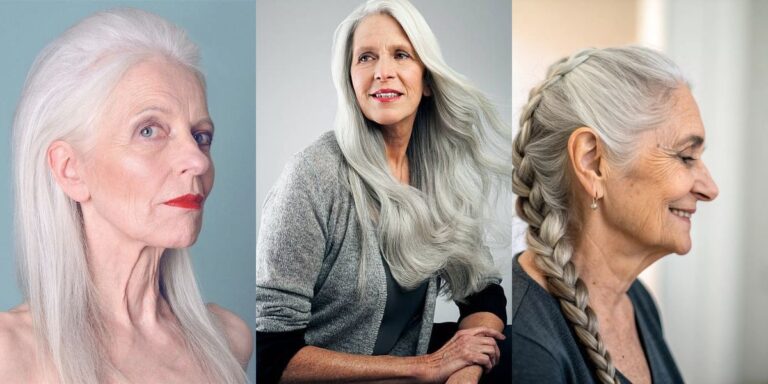
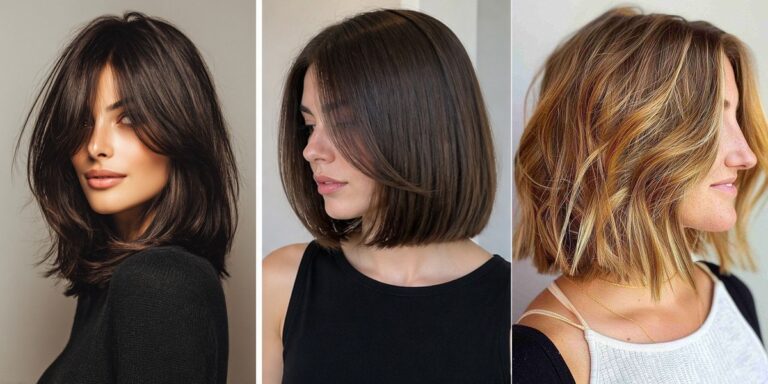
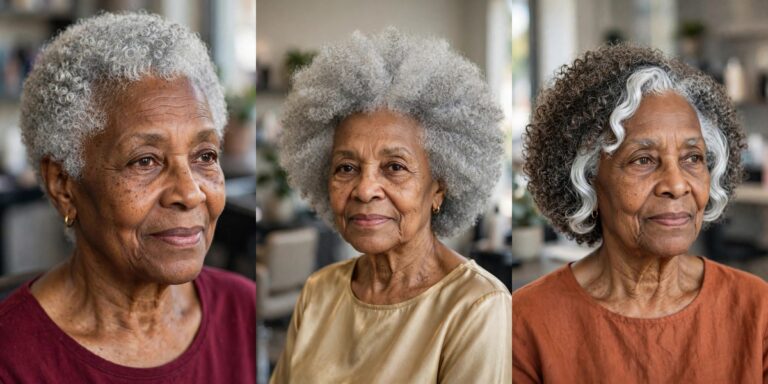
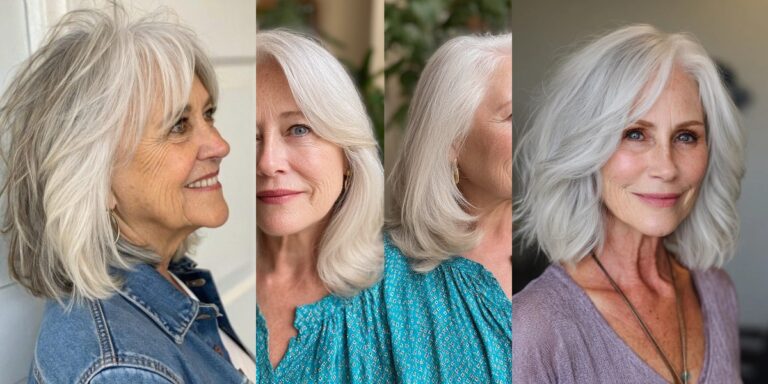
Face Framing Layers for Fine Hair: Cut & Styling Guide

Face framing layers are the single most requested fix for fine hair that hangs limp around the face — and the most misunderstood. Cut too short, they go wispy and expose thinness. Cut too long, they do nothing at all. This guide breaks down exactly which face framing layers work on fine thin hair, what to ask for in the salon chair, and how to style them at home so they keep their shape past wash day.
As an Amazon Associate, I earn from qualifying purchases.
In this guide
- What face framing layers actually do for fine hair
- The 6 types that work best on fine thin hair
- What to ask your stylist (consultation checklist)
- How to style them at home
- Mistakes that make fine hair look thinner
What Face Framing Layers Actually Do for Fine Hair
Face framing layers are shorter pieces cut around the front of the head — typically starting between the cheekbone and collarbone — that blend into the longer lengths behind. On fine hair they serve three jobs at once: they remove a small amount of front weight so pieces lift instead of clinging, they create forward movement that the eye reads as fullness, and they break up the flat “curtain” effect of one-length hair around the face.
The reason they outperform full-head layering for fine hair is restraint. You get movement exactly where it is visible — around your face — without thinning out the back and sides where density matters most. If you are also weighing up overall lengths, our medium-length haircuts for fine hair that look fuller guide compares full cuts side by side.
The 6 Types That Work Best on Fine Thin Hair
1. Curtain-Bang Face Framers

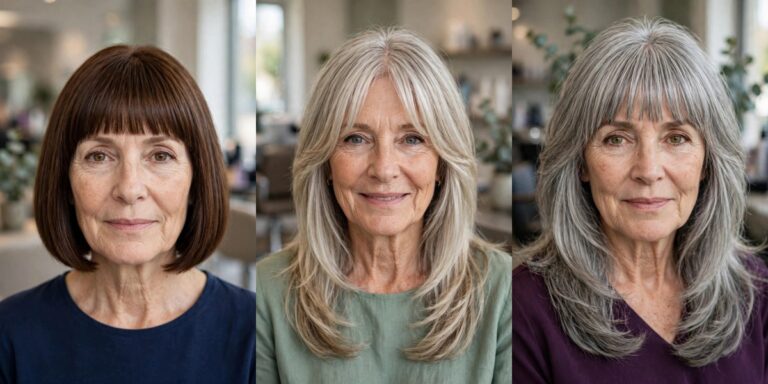
The most forgiving entry point: a center-parted fringe that starts around cheekbone height and melts into the lengths. Because the hair splits in the middle, a modest amount of hair covers a wide area, which is ideal when density is limited. Ask for the shortest piece at cheekbone level — higher reads as a true bang, lower disappears into layers. For more bang shapes that suit your features, see bangs hairstyles for oval face and bangs for round faces.
Shop this look: round brush for curtain bangs · tourmaline ceramic curling iron 1 inch
2. Wispy Collarbone-Ending Framers
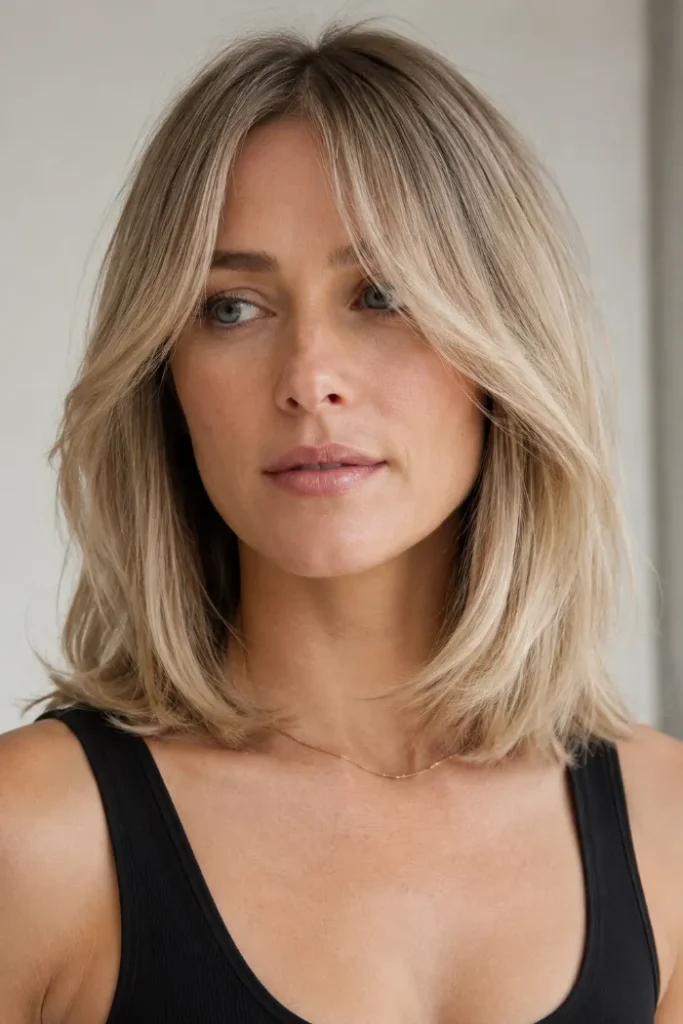
These start at the chin and taper to soft, point-cut ends at the collarbone. The wispy finish keeps them from looking heavy or blunt against fine hair, while the length means they double as regular layers when you pull your hair back. This is the best choice if you wear ponytails often — the pieces are long enough to stay put or frame neatly when left out.
Shop this look: texturizing spray for fine hair · paddle brush for long hair
3. Long Layers with Subtle Framers

For fine hair past the shoulders, subtlety wins. Framing pieces cut just two inches shorter than the bulk create a gentle cascade instead of an obvious step. The blend is the whole point here — harsh, disconnected framers expose how little hair there is, while a soft graduation makes the same hair look abundant.
Shop this look: smoothing hair serum for bob · boar bristle paddle brush for long hair
4. Blunt Lob with Framing Pieces
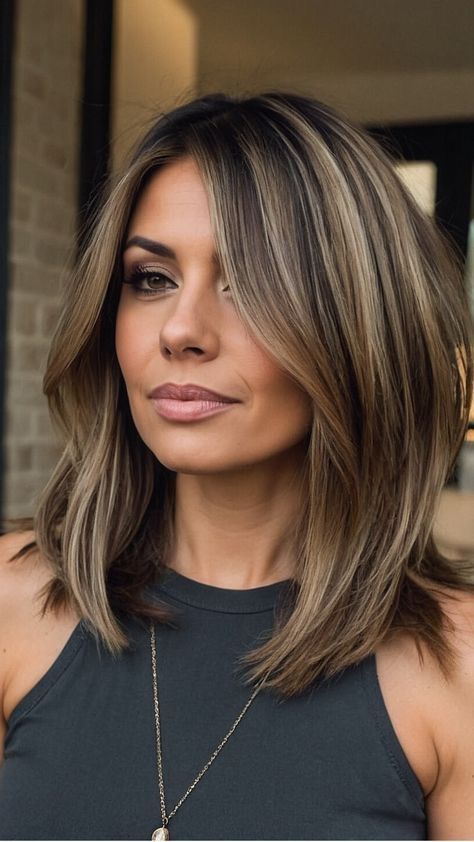
Keep the back one clean length for maximum density, and let only the front two sections carry the layering. The contrast is the trick: a thick, blunt perimeter behind makes the soft front pieces look intentional and full rather than thin. This pairing is a staple of lob hairstyles for fine hair because it protects the bottom edge while adding face-level movement.
Shop this look: flat iron for sleek blunt bob · hair shine serum for women
5. Highlighted Face Framers

Color can do half the volumizing work. Babylights or a soft money piece placed only on the framing sections creates light-against-dark contrast that the eye interprets as depth and thickness. Because only the front is lightened, grow-out stays graceful and the back keeps its solid, darker density. A brunette balayage with money piece is the classic version of this effect.
Shop this look: blonde balayage hair dye kit · money piece highlights hair dye kit
6. Side-Swept Framers

Cut with one side slightly longer, these fall diagonally across the forehead and cheek. The diagonal line creates natural shadow — something fine hair lacks — and the asymmetry keeps the eye moving instead of settling on sparse spots. They also train easily: fine hair takes direction well, so one blow-dry usually sets the sweep for days.
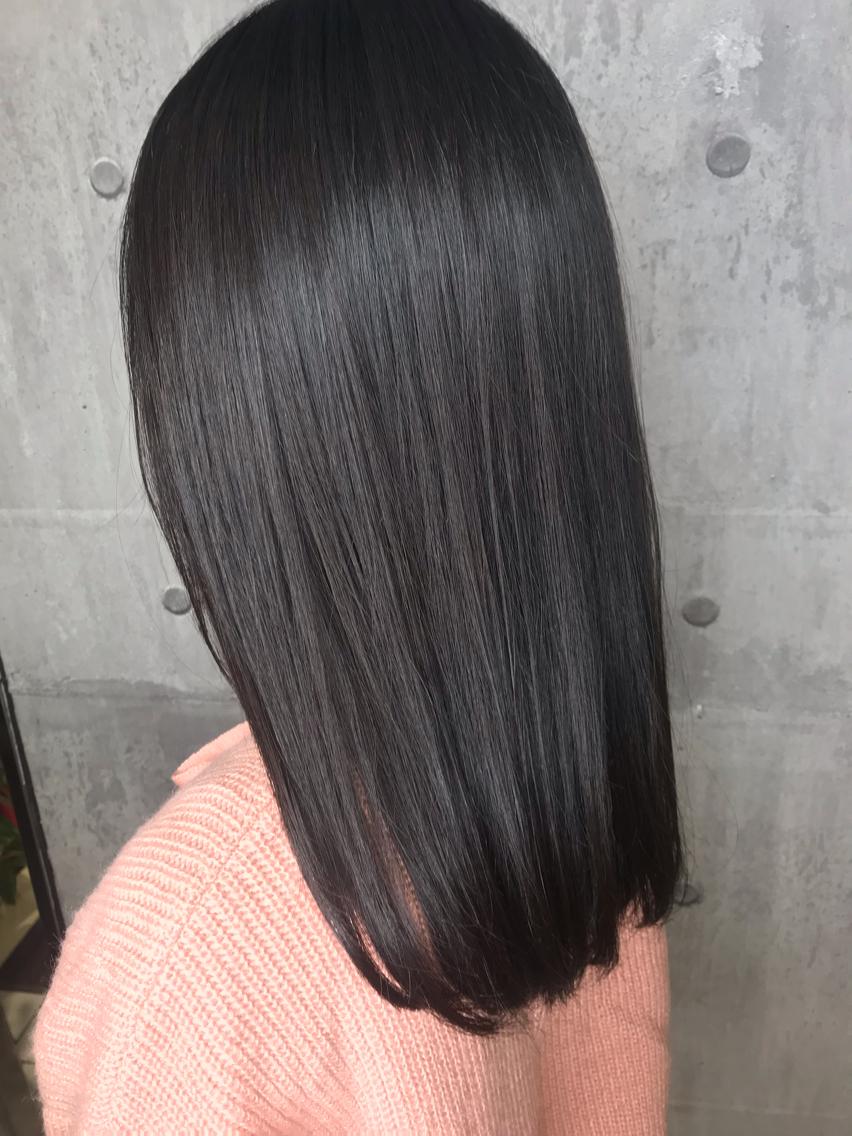
If you wear your hair straight most days, ask about interior (invisible) layering through the framing sections instead of visible steps. Shorter pieces hidden underneath push the surface hair outward for body with a glassy finish.
Shop this look: 1-inch curling iron for long hair · texture spray for fine hair
What to Ask Your Stylist (Consultation Checklist)
- Bring two photos: one of the framing length you want, one of what you don’t want
- “Face framing layers starting at [cheekbone/chin/collarbone]” — name the exact landmark
- “Blend them, no harsh steps” — disconnection exposes thinness on fine hair
- “Point-cut the ends, don’t razor everything” — heavy razoring can fray fine ends
- “Keep the back perimeter thick” — protect density where it counts
- Ask how the framers will behave with your natural texture air-dried, not just blow-dried
How to Style Them at Home

Framing pieces are the first thing to fall flat because they are the finest, most-touched sections. The fix is order of operations: style them first, while they are dampest, and give them a shape to hold.
- The away-from-face curl: wrap each framing piece around a 1-inch iron away from your face, hold 5 seconds, release and let cool before touching. Cool = set.
- The round-brush flick: blow-dry front sections with a medium round brush, rolling outward at the ends. One pass per side is enough on fine hair.
- Second-day revival: mist the framers lightly with water, re-roll on the brush or with fingers, and hit with 20 seconds of heat. Faster than restyling everything.
- Product rule: lightweight mousse or texture spray on framers; keep oils and heavy serums on the mid-lengths and ends only, never near the roots of the face pieces.
Mistakes That Make Fine Hair Look Thinner
- Framers cut too short. Pieces above the cheekbone on fine hair separate into wisps that highlight sparseness.
- Disconnected, chunky layers. Visible steps need density to fill them; on fine hair they create gaps.
- Over-thinning the front. Thinning shears near the face remove the exact hair you need for coverage.
- One-length front with zero shaping. A blunt wall of fine hair around the face clings and emphasizes flatness.
- Skipping trims. Split framing ends look see-through fast — a micro-trim every 8–10 weeks keeps them solid.
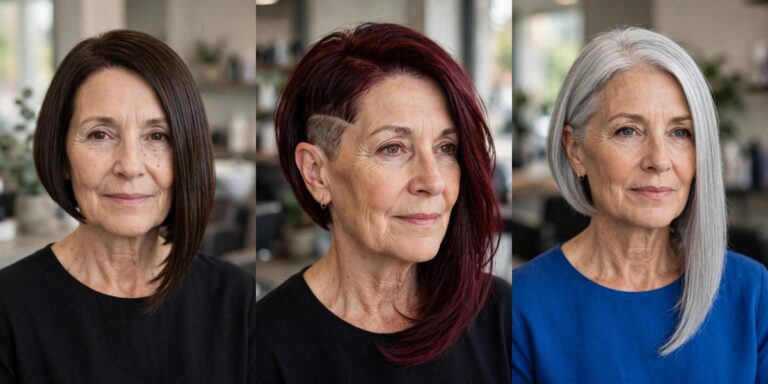
Keeping the framing pieces healthy matters as much as the cut itself — split ends undo the density illusion quickly. If your hair is on the longer side and over 60, the same principles apply in our medium-length hairstyles for women over 60 with thin fine hair.
💡 Not sure which of these cuts will suit your face? Try our face shape quiz — answer a few quick questions and get hairstyles matched to your face shape.
Frequently asked questions
Do face framing layers make thin hair look thicker or thinner?
Thicker — when done right. Soft, blended framers create movement and light-play around the face that reads as fullness. They only look thinner when cut too short, too chunky, or over-thinned.
Where should face framing layers start on fine hair?
Between the cheekbone and collarbone for most fine hair. Starting higher than the cheekbone risks wispy separation; starting below the collarbone means the pieces barely register as framing.
Can I get face framing layers without bangs?
Absolutely — most face framing layers are not bangs at all. They are simply shorter front sections that blend into the rest of your hair, with no fringe across the forehead required.
How often should face framing layers be trimmed?
Every 8–10 weeks. Framing pieces show split ends and grow-out faster than the back because they are the most visible and most styled section of your hair.
Do face framing layers work on curly fine hair?
Yes, with one adjustment: keep them longer than you think you need, since curls spring up as they dry. Cut them dry or on stretched hair so the true length is visible.
Recommended Products
| Product | Amazon link |
|---|---|
| round brush for curtain bangs | round brush for curtain bangs |
| tourmaline ceramic curling iron 1 inch | tourmaline ceramic curling iron 1 inch |
| texturizing spray for fine hair | texturizing spray for fine hair |
| smoothing hair serum for bob | smoothing hair serum for bob |
| flat iron for sleek blunt bob | flat iron for sleek blunt bob |
| hair shine serum for women | hair shine serum for women |
| blonde balayage hair dye kit | blonde balayage hair dye kit |
| money piece highlights hair dye kit | money piece highlights hair dye kit |
| 1-inch curling iron for long hair | 1-inch curling iron for long hair |
| texture spray for fine hair | texture spray for fine hair |
| heat protectant spray for hair | heat protectant spray for hair |
| volumizing mousse for short hair | volumizing mousse for short hair |
{“@context”:”https://schema.org”,”@type”:”FAQPage”,”mainEntity”:[
{“@type”:”Question”,”name”:”Do face framing layers make thin hair look thicker or thinner?”,”acceptedAnswer”:{“@type”:”Answer”,”text”:”Thicker, when done right. Soft blended framers create movement and light-play around the face that reads as fullness; they only look thinner when cut too short, too chunky, or over-thinned.”}},
{“@type”:”Question”,”name”:”Where should face framing layers start on fine hair?”,”acceptedAnswer”:{“@type”:”Answer”,”text”:”Between the cheekbone and collarbone for most fine hair. Higher risks wispy separation; lower means the pieces barely register as framing.”}},
{“@type”:”Question”,”name”:”Can I get face framing layers without bangs?”,”acceptedAnswer”:{“@type”:”Answer”,”text”:”Yes — most face framing layers are simply shorter front sections blending into the rest of the hair, with no fringe across the forehead required.”}},
{“@type”:”Question”,”name”:”How often should face framing layers be trimmed?”,”acceptedAnswer”:{“@type”:”Answer”,”text”:”Every 8–10 weeks, since framing pieces show split ends and grow-out faster than the back.”}},
{“@type”:”Question”,”name”:”Do face framing layers work on curly fine hair?”,”acceptedAnswer”:{“@type”:”Answer”,”text”:”Yes — keep them longer than expected since curls spring up as they dry, and cut dry or on stretched hair so the true length is visible.”}}
]}