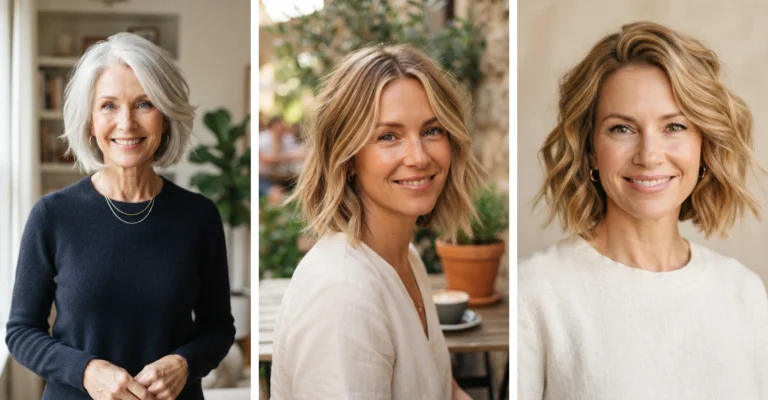
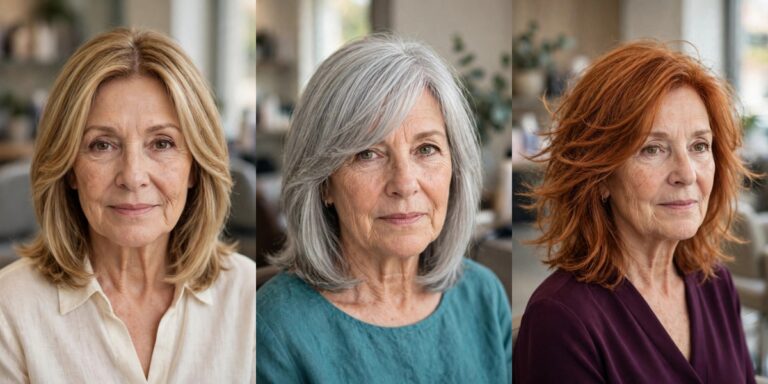
Haircuts for Women Over 60 With Fine Thin Hair That Add Fullness
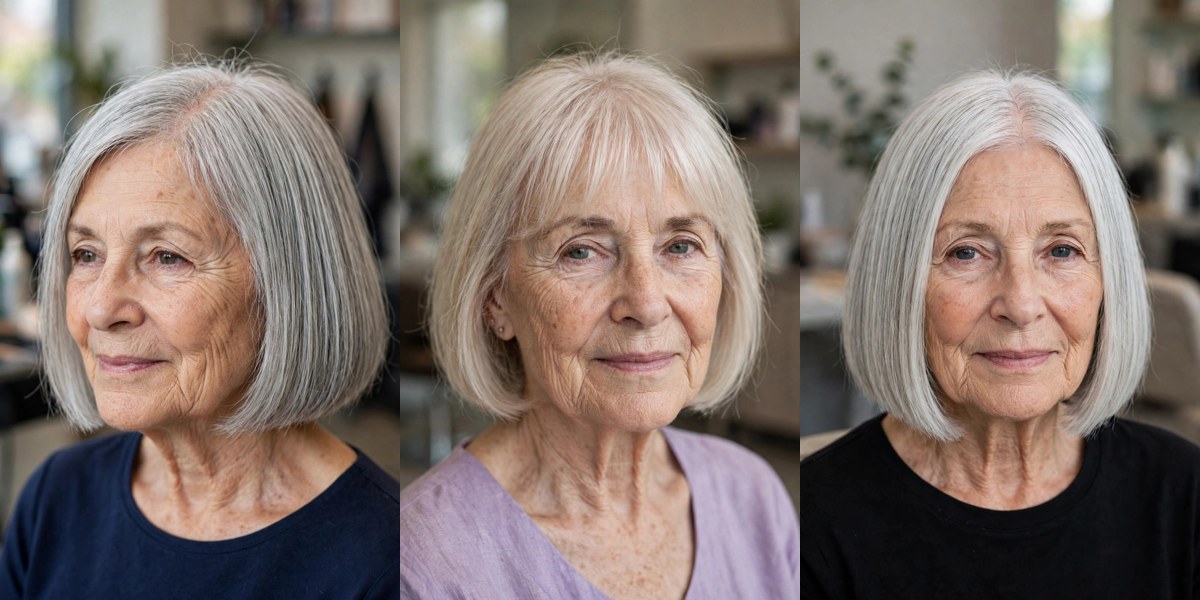
This post contains affiliate links. As an Amazon associate, I earn from qualifying purchases. I only recommend products that are of high quality and that I would use myself.
If your hair has become fine and thin after 60, you have probably noticed the cruel arithmetic: the styles you wore for years suddenly look flatter, the ends look wispier, and a part that was once unremarkable now seems to widen by the month. Here is the encouraging truth stylists repeat for a reason — fine hair is not a styling dead end. It is a design brief. The right haircut can make the hair you have look noticeably fuller, using blunt perimeters that stop ends looking see-through, strategic layers that lift the crown, and parts and fringes that put your strands where they flatter most.
This guide gathers 20 such cuts — bobs, pixies, crops and one length-keeping lob — each explained honestly: why it creates the look of fullness, who it suits, and exactly what to ask for and how to style it. A quick note on honesty before we begin: no haircut or styling product changes how much hair you have, and nothing below claims otherwise. What these cuts do — and it is a lot — is arrange fine, thin hair so it looks its absolute fullest, every single day.
Table of Contents
- 1. Blunt Chin-Length Bob with a Solid Perimeter
- 2. Layered Pixie with a Lifted Crown
- 3. Stacked Bob with a Graduated Back
- 4. Deep Side-Part Bob with Root Lift
- 5. Feathered Crop with Soft Crown Layers
- 6. Wispy Bangs Bob for a Soft Hairline
- 7. Textured Bixie — the Pixie-Bob Hybrid
- 8. Silver Blunt Bob with a Center Part
- 9. Choppy Pixie with Piecey Ends
- 10. Rounded Bob with Curved-Under Fullness
- 11. Face-Framing Lob with Blunt Ends
- 12. Short Shag with Light Crown Layers
- 13. Salt-and-Pepper Layered Bob
- 14. Wavy Bob with a Soft Bend
- 15. Tapered Crop with a Longer Top
- 16. A-Line Bob with Forward Weight
- 17. Bob with Curtain Bangs and Cheek Framing
- 18. Volumized Blowout Bob
- 19. Asymmetric Bob with a Fuller Side
- 20. Classic French Bob with a Soft Fringe
- Recommended Products
- FAQs
- See-through ends? Go blunt — ideas 1, 8 and 11 keep every strand in one solid line.
- Thinning or flat at the crown? Choose the lifted pixie (idea 2), stacked bob (idea 3) or tapered crop (idea 15).
- Sparse hairline? A wispy fringe (idea 6), curtain bangs (idea 17) or a soft French fringe (idea 20) will frame it gently.
- Widening part? The deep side part (idea 4) and asymmetric bob (idea 19) redirect hair over it.
- Not ready to go short? The blunt-ended lob (idea 11) keeps your length and still looks fuller.
1. Blunt Chin-Length Bob with a Solid Perimeter
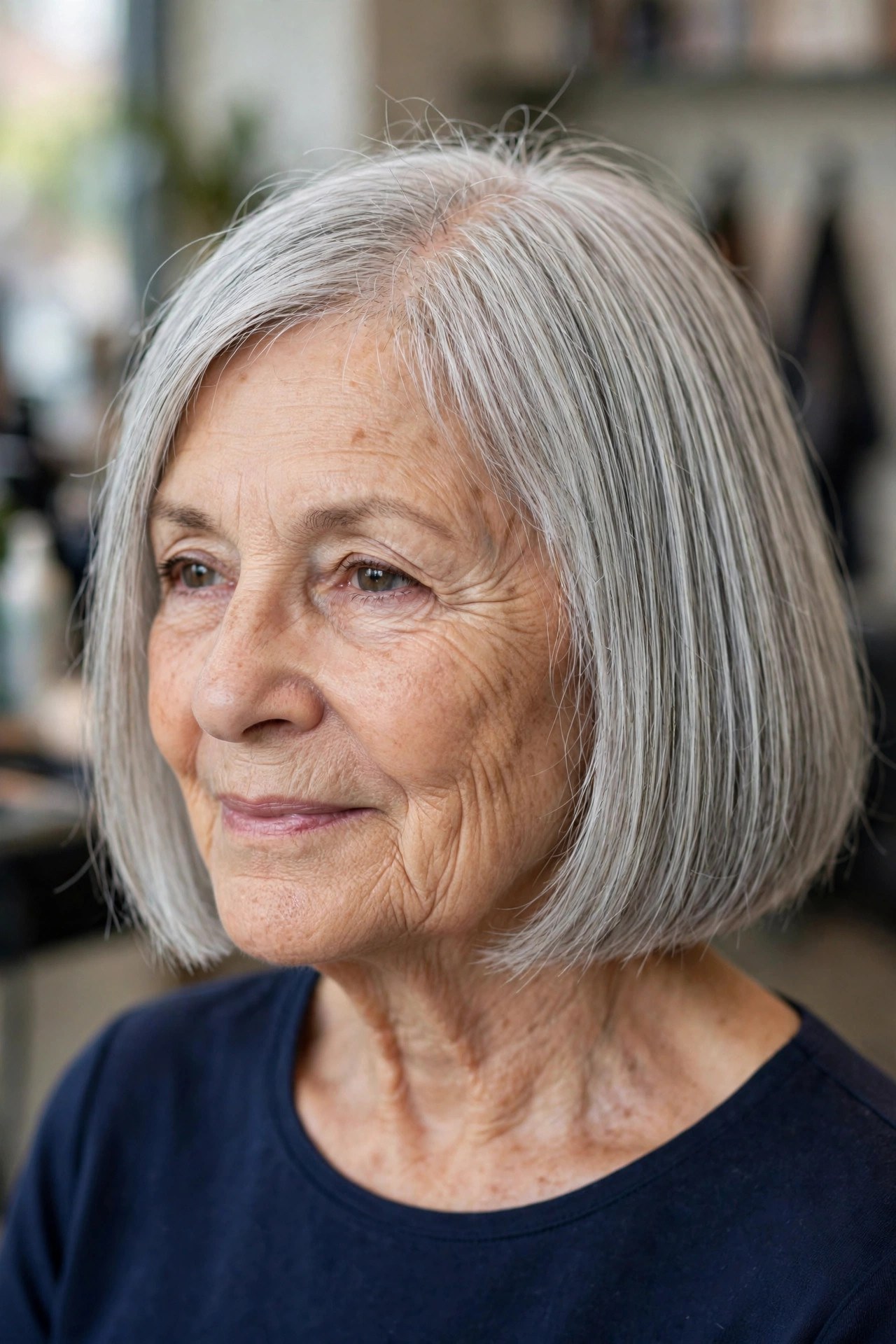
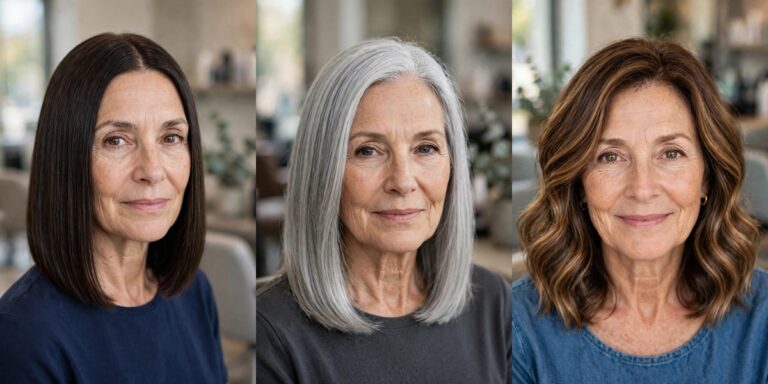
When ends are wispy and see-through, the most honest fix is also the simplest: cut them all to one strong line. A blunt chin-length bob gathers every fine strand into a single solid perimeter, so the bottom edge reads dense instead of transparent. Nothing is thinned away, nothing is feathered into air — the fullness you see is your own hair, finally arranged so it counts.
Ask for a true one-length cut with no layering through the last two inches, and be firm if your stylist reaches for thinning shears. Style with a light mousse at the roots and dry under with a round brush. A trim every five to six weeks keeps that edge sharp, because the illusion depends on it.


2. Layered Pixie with a Lifted Crown
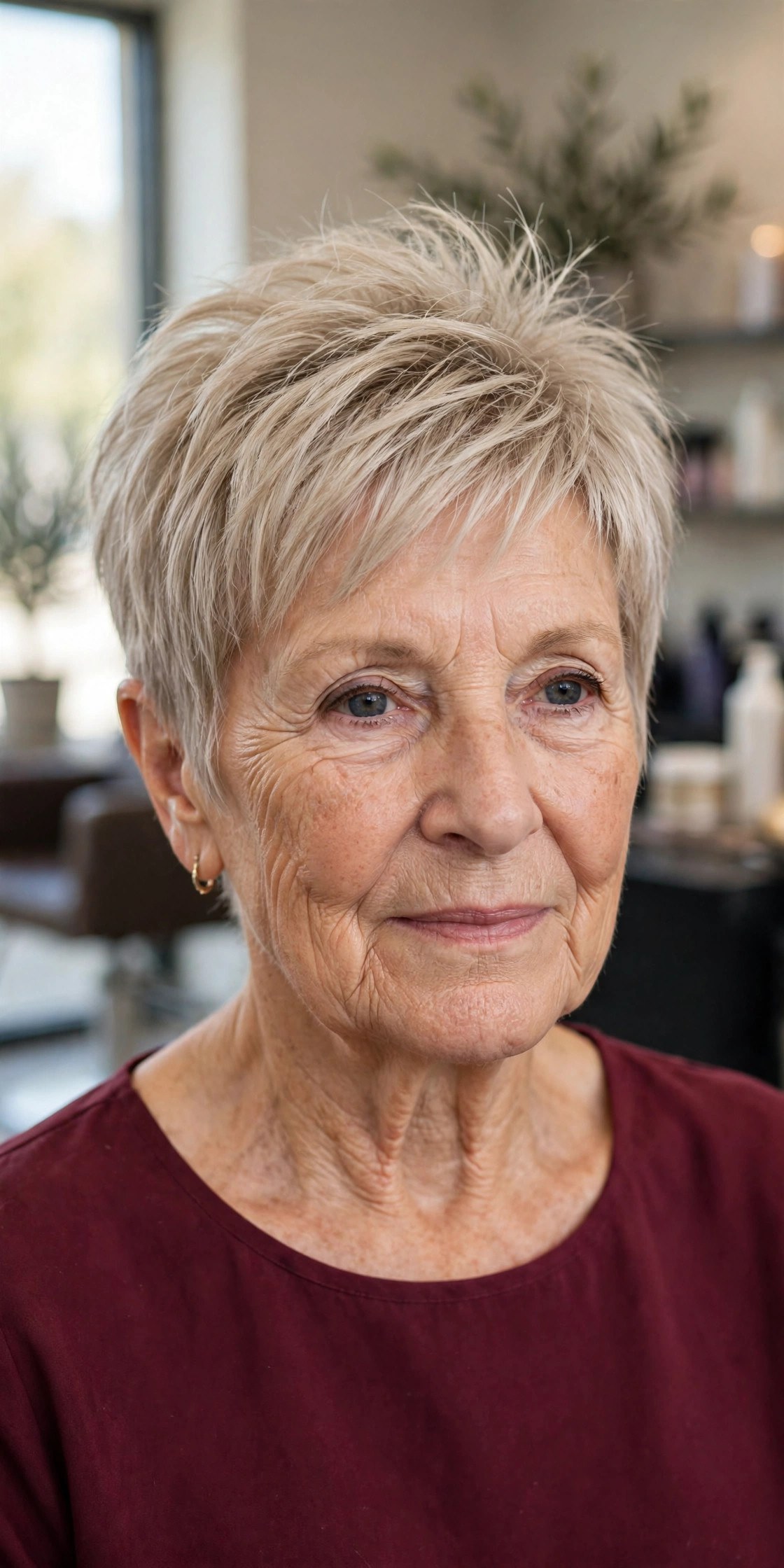
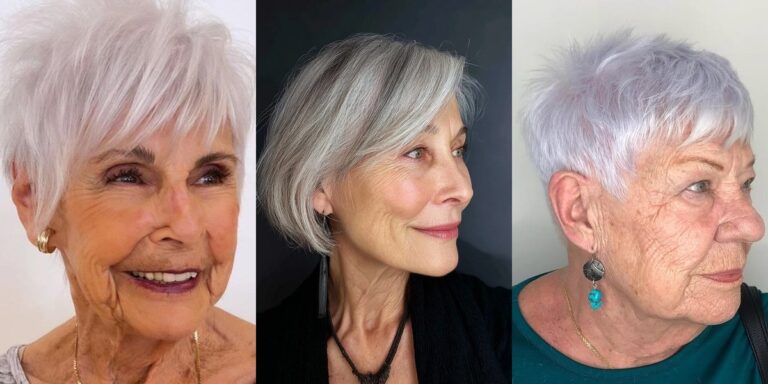
Fine hair goes flat mainly because of its own weight — and a pixie removes almost all of it. With the sides kept neat and the top left longer, short crown layers stack over each other and stand up instead of lying down, giving you height exactly where thinning is usually most visible. It is the closest thing to instant crown fullness a pair of scissors can offer.
Keep the top layers long enough to sweep in different directions, so you can change the part on days the crown needs disguising. A little texturizing putty pinched through dry ends separates the layers so the eye reads texture and shadow as density. For more short options, see our pixie haircuts made for thin, fine hair.


3. Stacked Bob with a Graduated Back
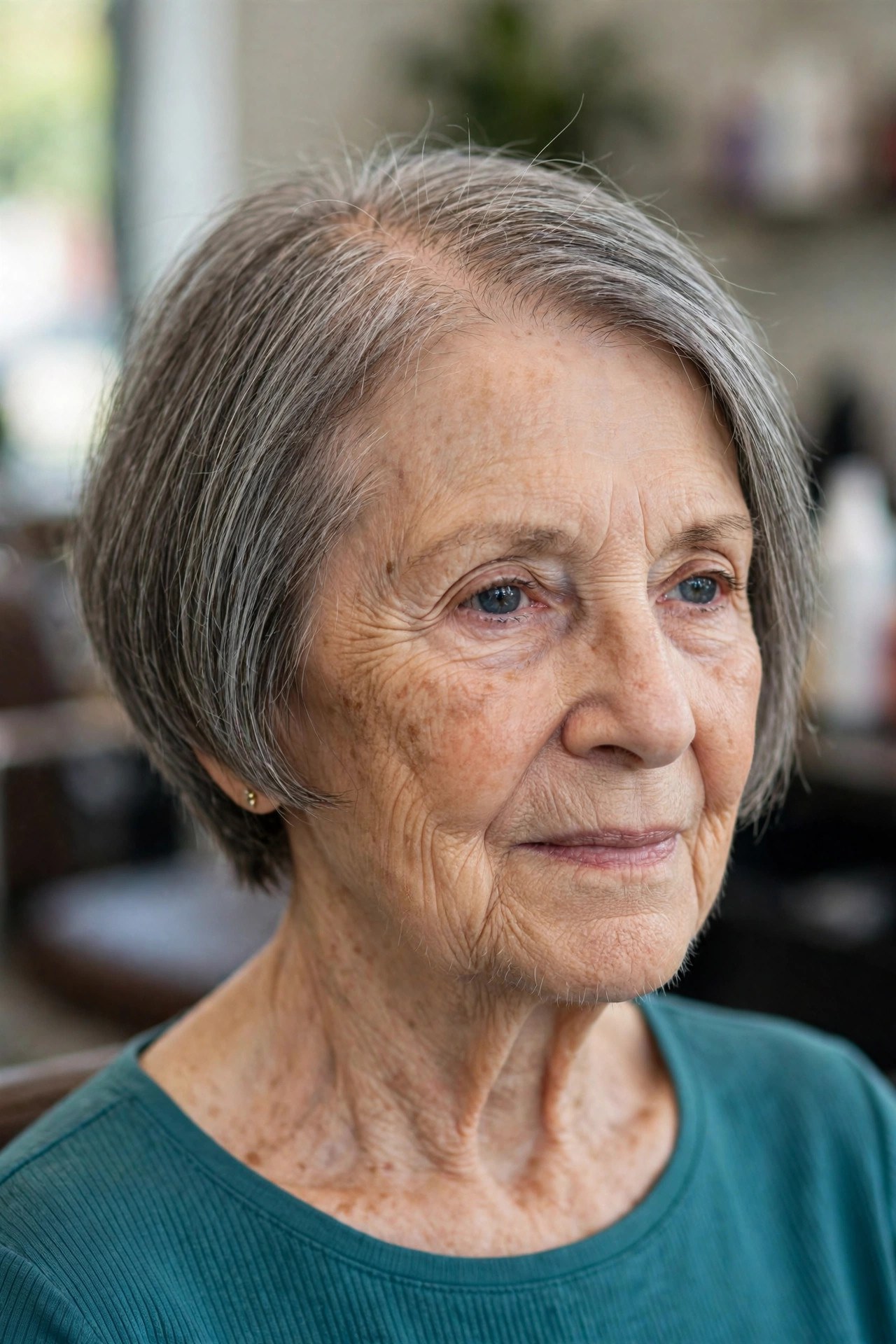
The stacked bob builds its fullness into the architecture of the cut. Short graduated layers at the back stack like shingles, pushing the shape outward and upward, while the front stays chin-length and face-framing. For fine hair that collapses at the back of the head — a spot you cannot see but everyone else can — this is a genuinely structural solution.
The graduation should be soft, not a dramatic shelf, so the silhouette looks rounded rather than wedged. Blow-dry the back with a small round brush lifting at the root, and let the front fall naturally. If you enjoy this family of shapes, our stacked bob ideas show the same principle at other lengths.

4. Deep Side-Part Bob with Root Lift
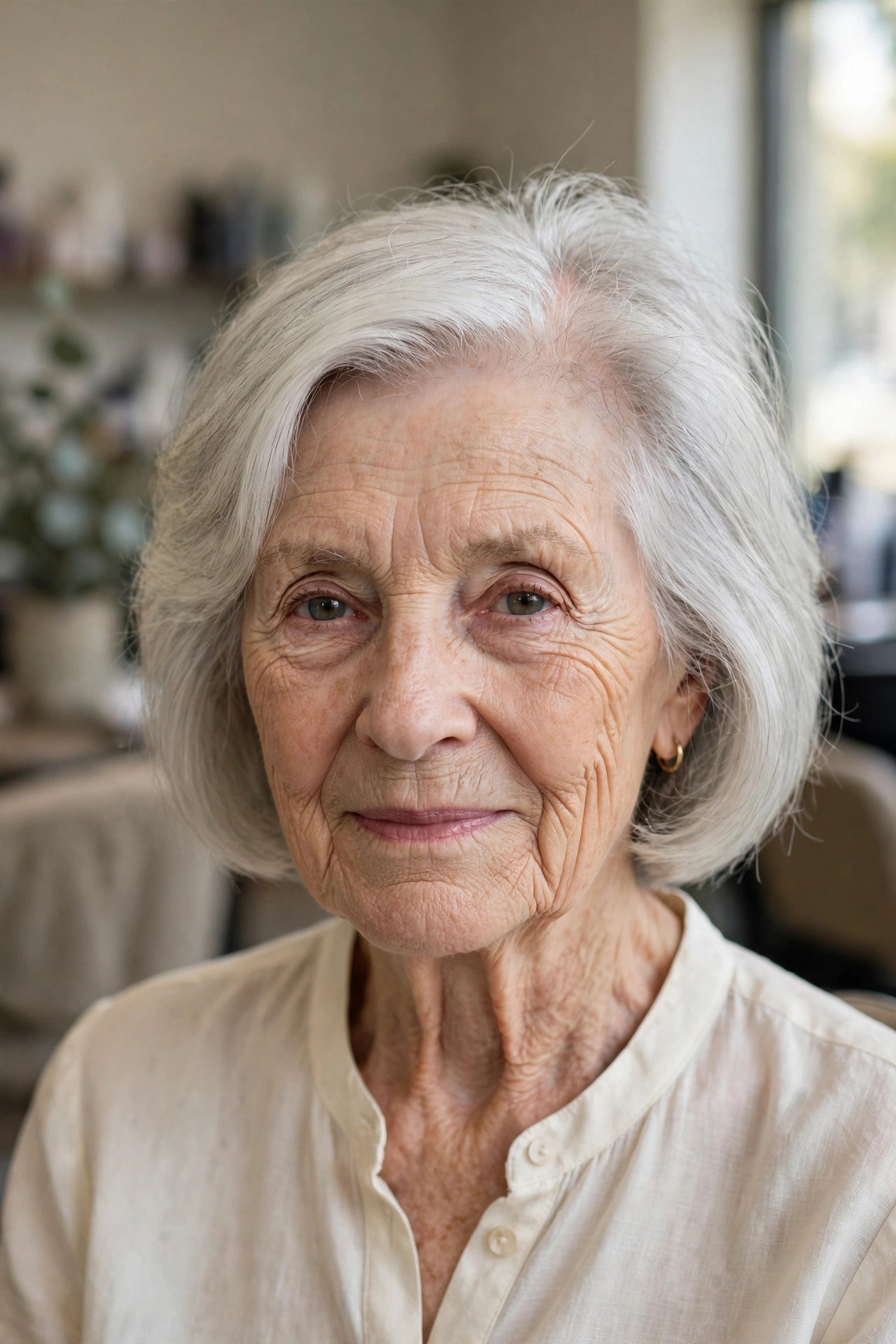
Sometimes fullness is not about cutting at all — it is about redirection. Moving to a deep side part piles most of your fine hair to one side, so that side instantly looks twice as thick, and the diagonal sweep across the forehead softens your features at the same time. It also covers a widening center part, which is a quiet worry for many women after 60.
Train the lift in while you dry: blow-dry the hair in the opposite direction to your part first, let it cool, then flip it over. The roots remember the detour and stay lifted for hours. Finish with a brushable spray rather than anything stiff, and keep the tucked side sleek behind one ear.

5. Feathered Crop with Soft Crown Layers
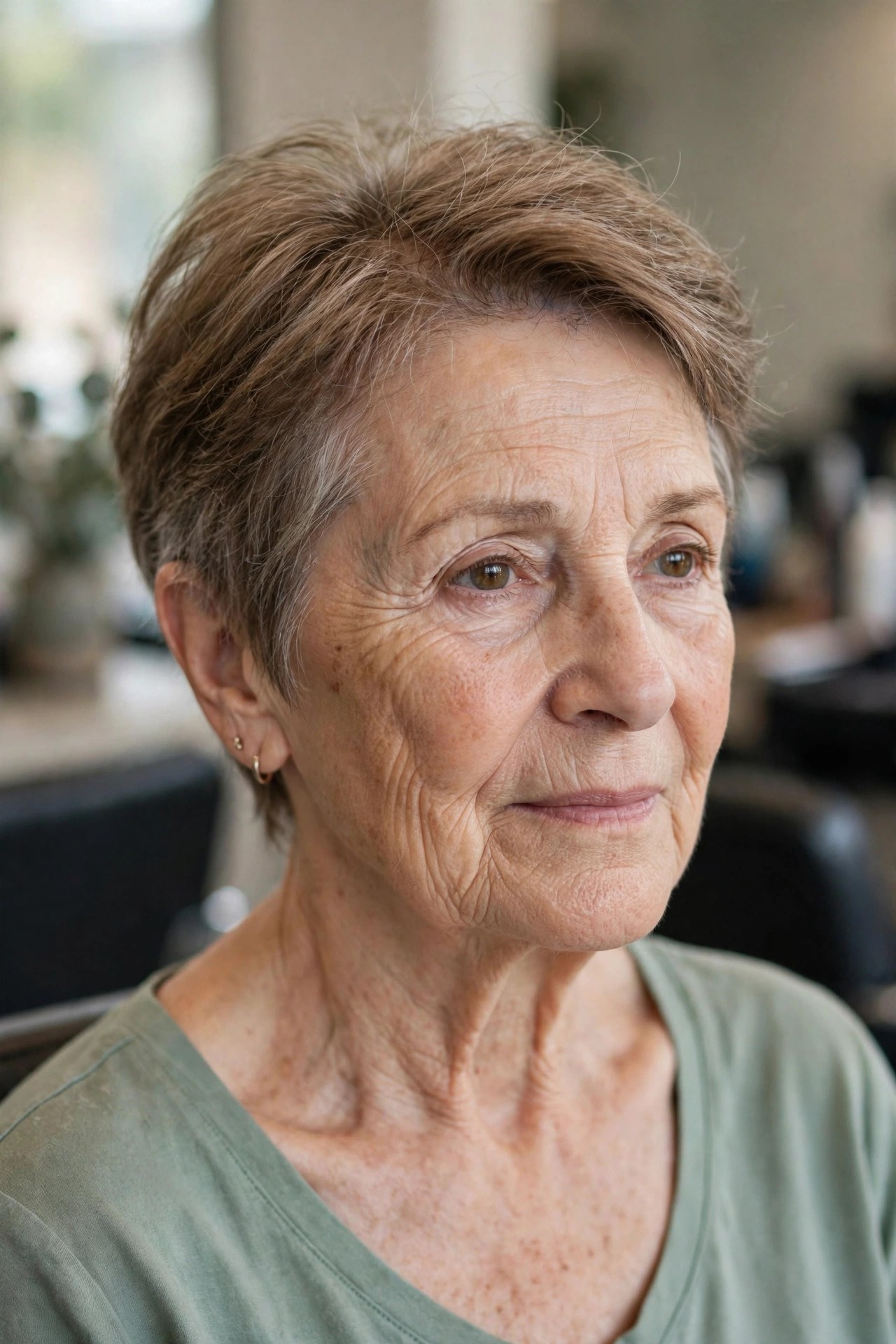
Feathering, done softly, is tailor-made for fine hair: layers are brushed back and away from the face in fine separated pieces, so the hair occupies more visual space without needing more hair. The crown layers give gentle height, the swept-back direction opens up your face, and the whole style moves when you move — movement itself reads as body.
The modern version is matte and touchable, never lacquered. Blow-dry small sections back with a medium round brush and let the ends flick where they want. Keep the feathering concentrated at the crown and front; feathering fine ends all over would thin the perimeter you are trying to protect.


If you are growing fine hair toward one of the longer styles above — or simply curious how long a new length will take to reach — try our free Hair Growth Calculator to map out a realistic timeline for your goal length.
6. Wispy Bangs Bob for a Soft Hairline
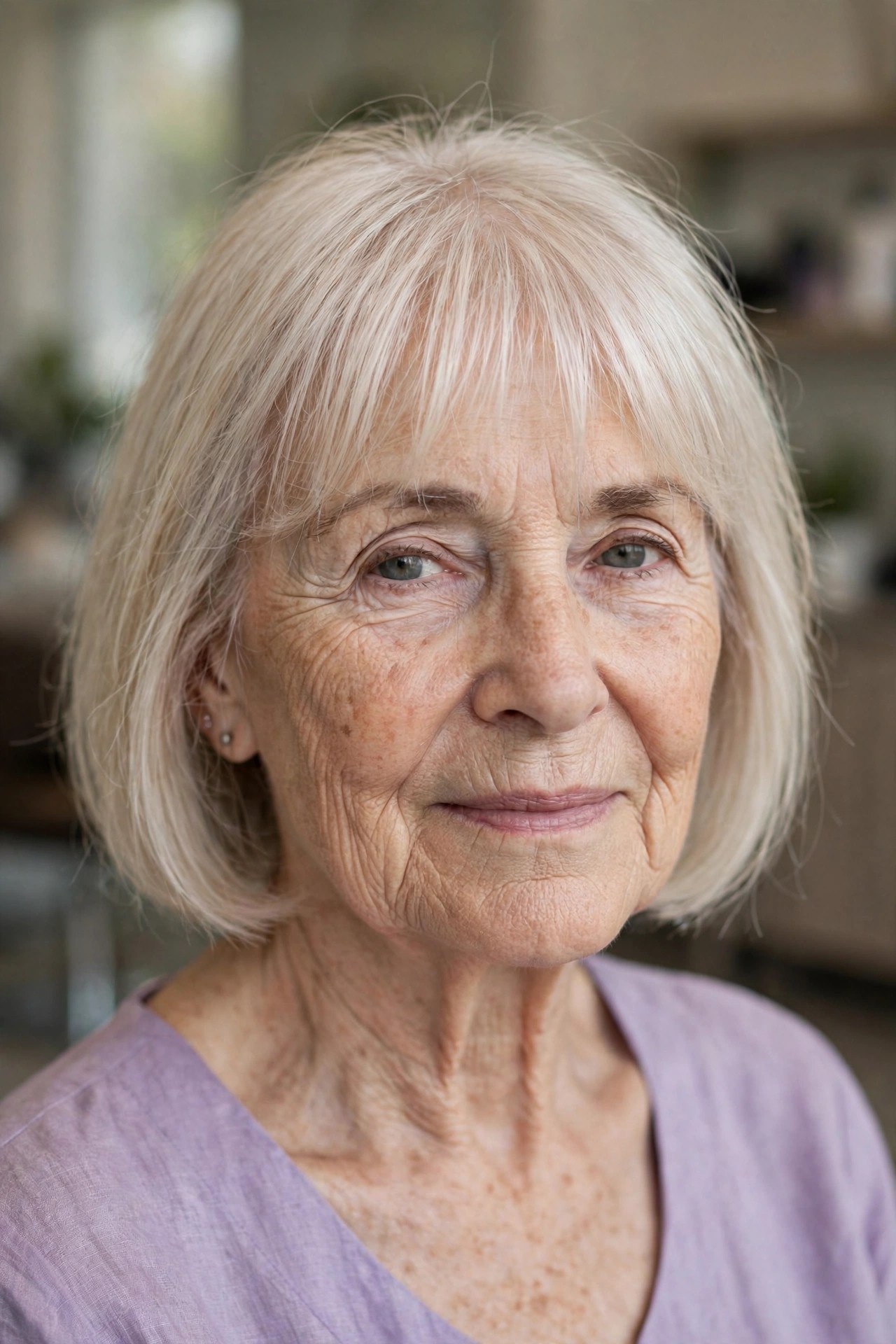
If your hairline has become sparse, a heavy fringe is impossible — but a wispy one is perfect. These are see-through, feather-light bangs that skim the brows and borrow just a few strands, yet they completely change how the hairline reads: softer, fuller, and framed. Paired with a chin-length bob, the wispy front and solid bottom edge bookend the face beautifully.
Ask your stylist to cut the bangs dry and point-cut the ends so they stay airy rather than blunt. They take under a minute to dry with a small brush, and a mist of dry shampoo in the morning stops them separating on the forehead. They also grow out gracefully if you later change your mind.
7. Textured Bixie — the Pixie-Bob Hybrid
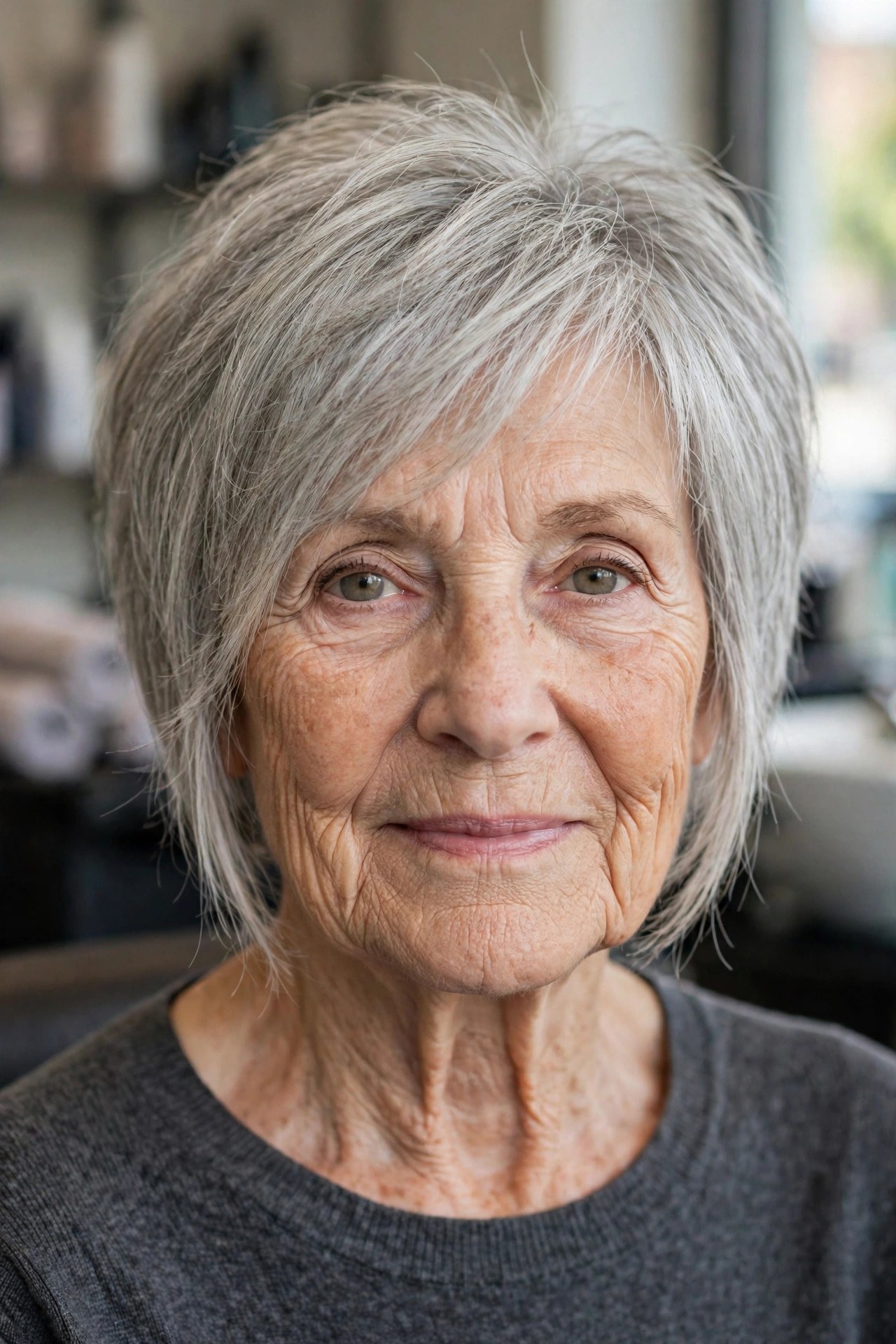
Can not decide between a pixie and a bob? The bixie refuses to choose. It keeps the tapered, weightless back of a pixie — which is what lets fine roots lift — and the longer, jaw-skimming front pieces of a bob, which is what frames the face. For thin hair it is a smart compromise: short where shortness helps, longer where length flatters.
Texture is the styling word here. Work a pea-sized amount of putty through dry hair and pinch the front pieces into soft points; that separation is what makes fine hair look plentiful. Keep salon visits to every five weeks or so, because the hybrid shape blurs quickly as it grows.

8. Silver Blunt Bob with a Center Part
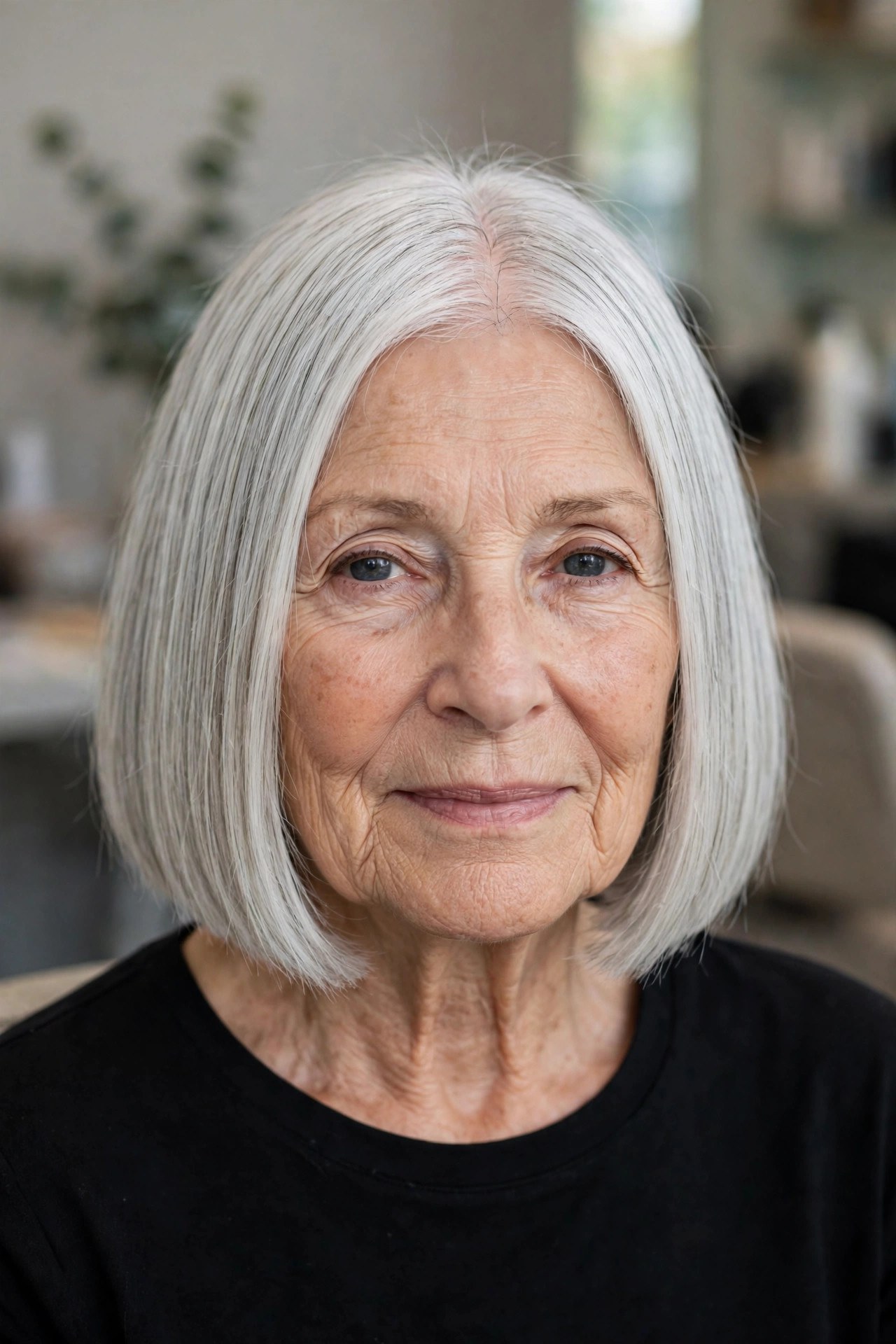
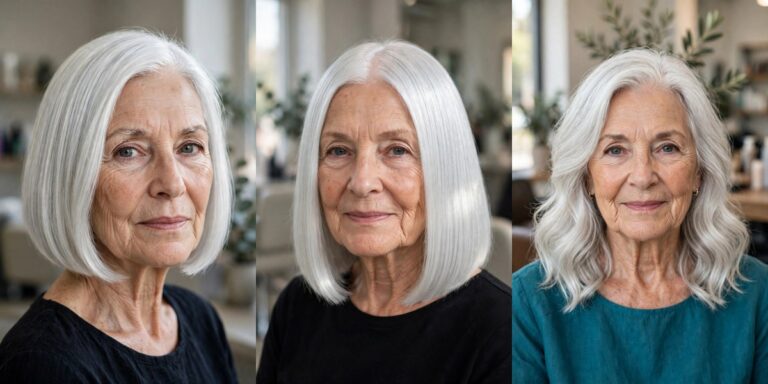
Silver hair and fine hair often arrive together, and this cut flatters both. A blunt, center-parted bob gives silver strands a smooth, even surface to catch the light, while the solid ends stop fine gray hair — which can look wiry and sparse when layered — from disappearing. It is polished, deliberate, and entirely unbothered about hiding the gray.
Care is about brightness, not regrowth promises: a purple shampoo once a week keeps yellow tones away, and a clear gloss adds the shine silver sometimes lacks. Dry in downward strokes with a cool finish. Our guide to haircuts for thin hair has more ideas if you are still comparing shapes.


9. Choppy Pixie with Piecey Ends
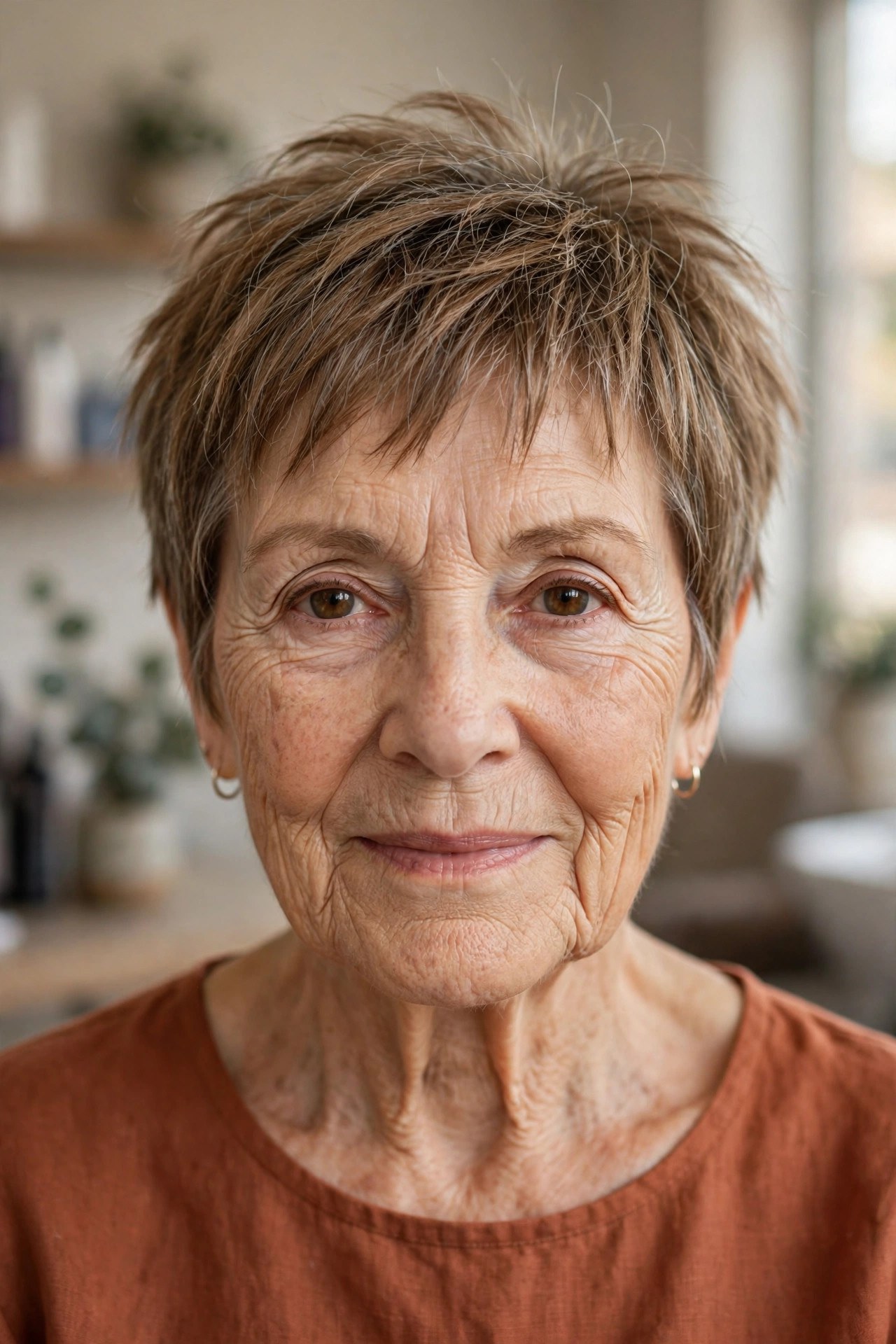
A choppy pixie makes fullness out of contrast. Point-cut ends sit at slightly different lengths, and those tiny irregularities create light and shadow all over the head — the eye reads that broken surface as thickness, even on genuinely fine, low-density hair. It also has a cheerful, modern energy that softer cuts do not.
This is a wash-and-shape style: mousse on damp hair, dry while pushing the top in different directions, then a fingertip of putty to define the pieces. Avoid heavy waxes, which clump fine strands together and undo the effect. Trims every four to five weeks keep the choppiness crisp rather than scruffy.
10. Rounded Bob with Curved-Under Fullness
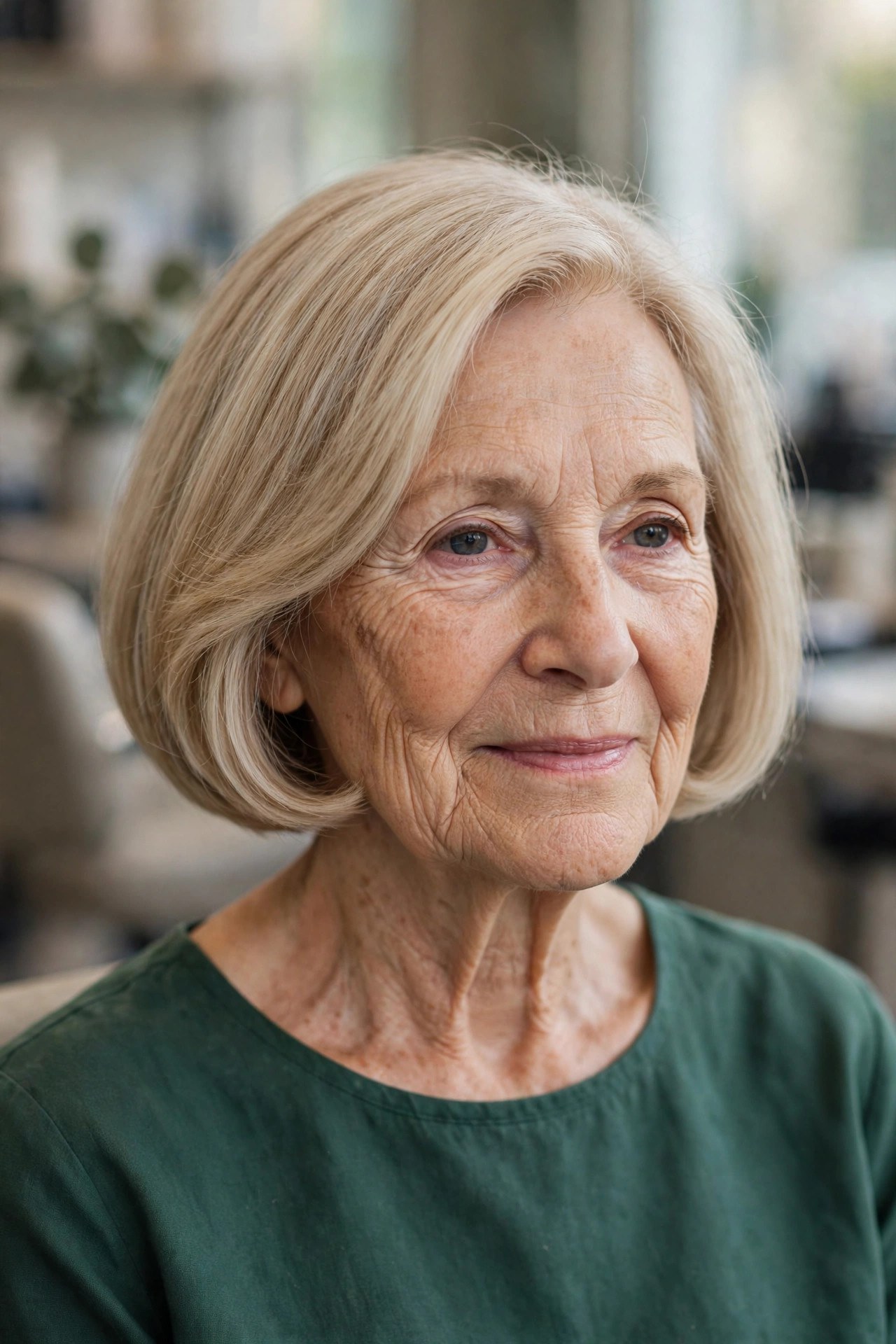
The rounded bob borrows a simple optical trick: a curve looks fuller than a straight line. By cutting and drying the ends to curve under in one smooth arc, the bob gains a plump, sculpted silhouette around the jaw — even though the hair inside it is fine. It is also one of the kindest shapes for softening a strong or angular jawline.
Most of the work happens in the blow-dry. Use a round brush, roll the ends under, hold for a few seconds, and release only when cool. A volumizing foam through the mid-lengths stops the curve collapsing by lunch. This version suits straight to slightly wavy fine hair best.

11. Face-Framing Lob with Blunt Ends
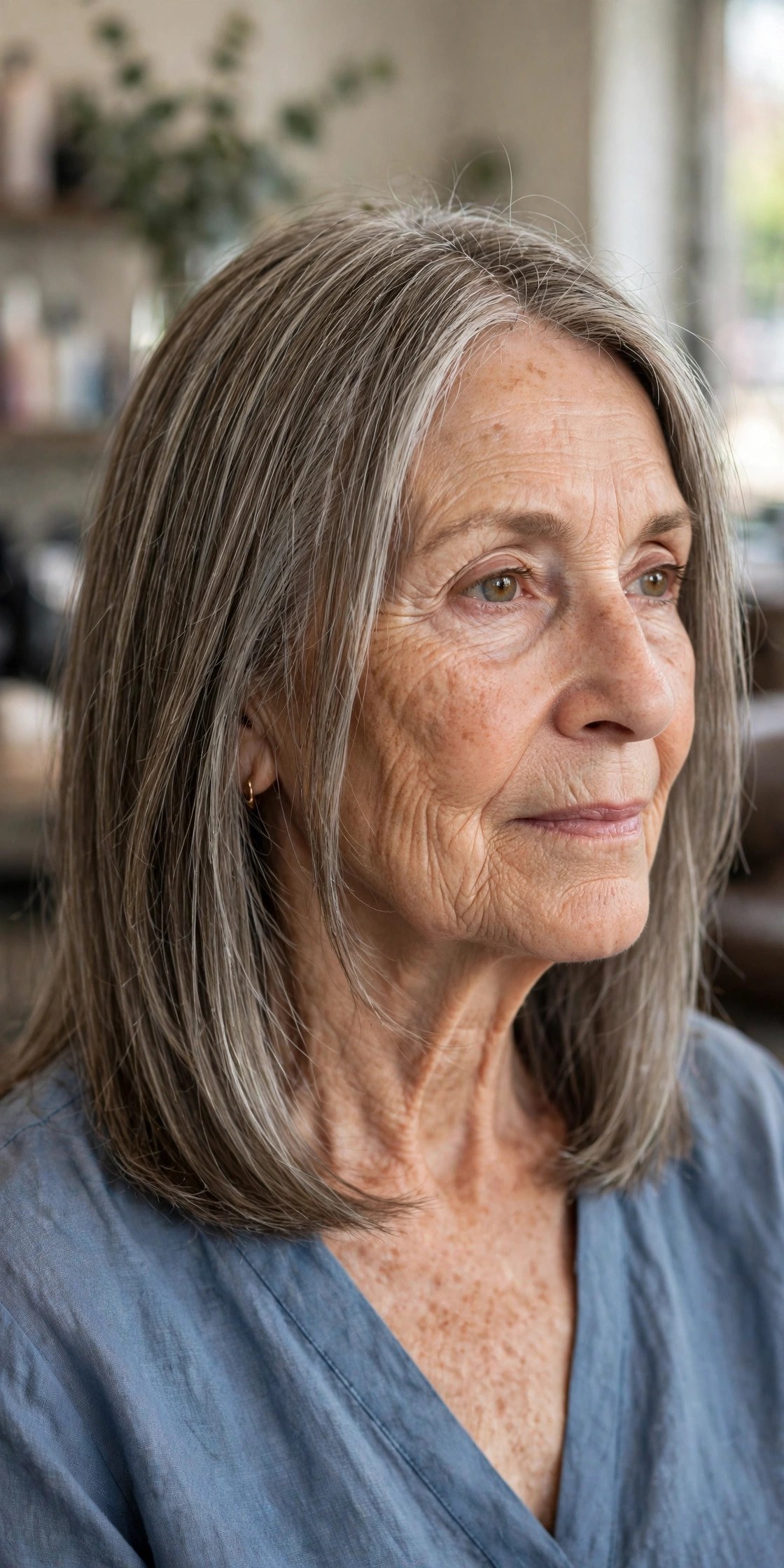
Not ready to go short? You do not have to. A collarbone-length lob can still fake fullness if — and this is the whole secret — the ends are blunt and the face-framing pieces start at the cheekbones. Those front pieces add width where your face needs it, while the solid bottom line stops longer fine hair from stringing out.
Longer fine hair needs its products kept weightless: foam at the roots only, nothing creamy below the ears. It also needs honest trims; the last inch of a lob goes see-through first, and sacrificing it regularly is what keeps the rest looking thick. For more length-friendly tricks, browse short hairstyles for fine, thin hair alongside this longer option.

12. Short Shag with Light Crown Layers

The short shag puts its layers only where they help — through the crown — and leaves the rest wispy and light. That contrast is flattering on fine hair: lift and texture on top, softness around the ears and nape, and an easy, undone finish that never looks like you tried too hard. It is especially kind if your hair has a natural wave to encourage.
Resist over-layering the ends, which is where shags can go stringy on thin hair. Scrunch a salt spray or light mousse into damp hair and air-dry, or diffuse briefly on low. The shag is forgiving as it grows out, so six to seven weeks between cuts is realistic.

13. Salt-and-Pepper Layered Bob

If your gray is arriving strand by strand, long soft layers let that natural mix do the volumizing for you. Dark and silver strands layered over each other create genuine dimension — light pieces against dark ones — and dimension is half of what makes hair look full. The chin-length bob shape keeps the mix looking intentional and tidy.
Keep the layers long and few; short choppy layers on salt-and-pepper hair can look patchy. A purple shampoo every second or third wash keeps the silver pieces bright against the dark base. Because the color is your own, maintenance is just the cut — simple and inexpensive.
14. Wavy Bob with a Soft Bend

A bend is built-in width. Putting a loose wave through the mid-lengths of a chin-length bob pushes the hair outward at cheek and jaw level, so fine hair takes up more space from every angle. It also disguises flat roots better than any straight style, because the eye follows the wave instead of the part.
You do not need a full set of curls: one or two passes with a flat iron bending away from the face, or a salt spray scrunched into damp hair, is enough. Keep the ends straighter than the middle — that contrast is what looks modern — and always use heat protection first, because fine hair scorches quickly.

15. Tapered Crop with a Longer Top
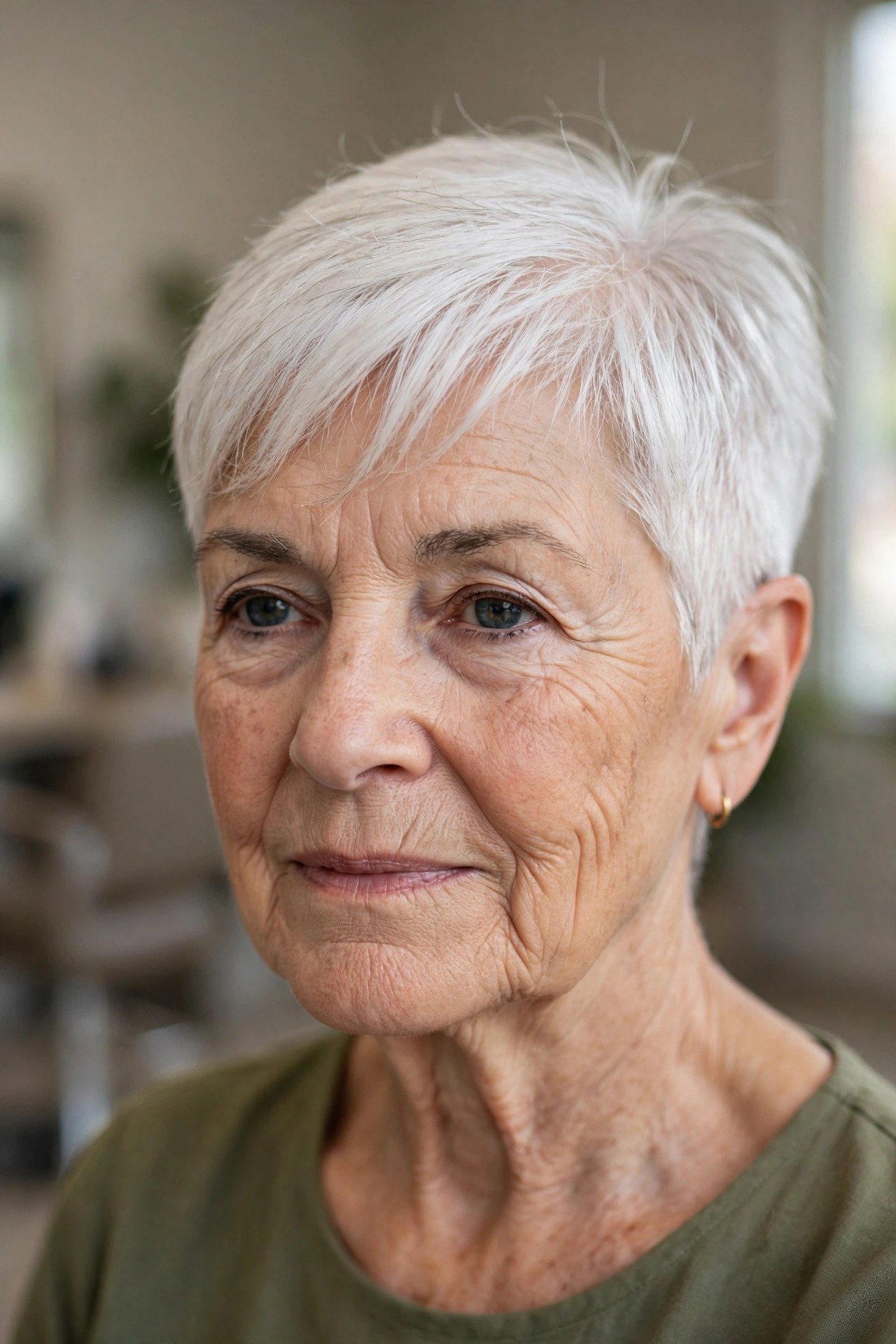
Tapering removes bulk exactly where fine hair does not need it — the nape and sides — and spends all the length on top, where it can be swept forward to cover a thinning crown. The result is neat, close, and surprisingly versatile: brushed forward it is soft, pushed back it is polished, and it never fights with glasses or collars.
Because the sides are close, this crop is honest about being low-maintenance: a little mousse, finger-dry, done. It does need regular tidying at the nape every four weeks or so. Women who find bobs still too much hair often land happily here.
16. A-Line Bob with Forward Weight
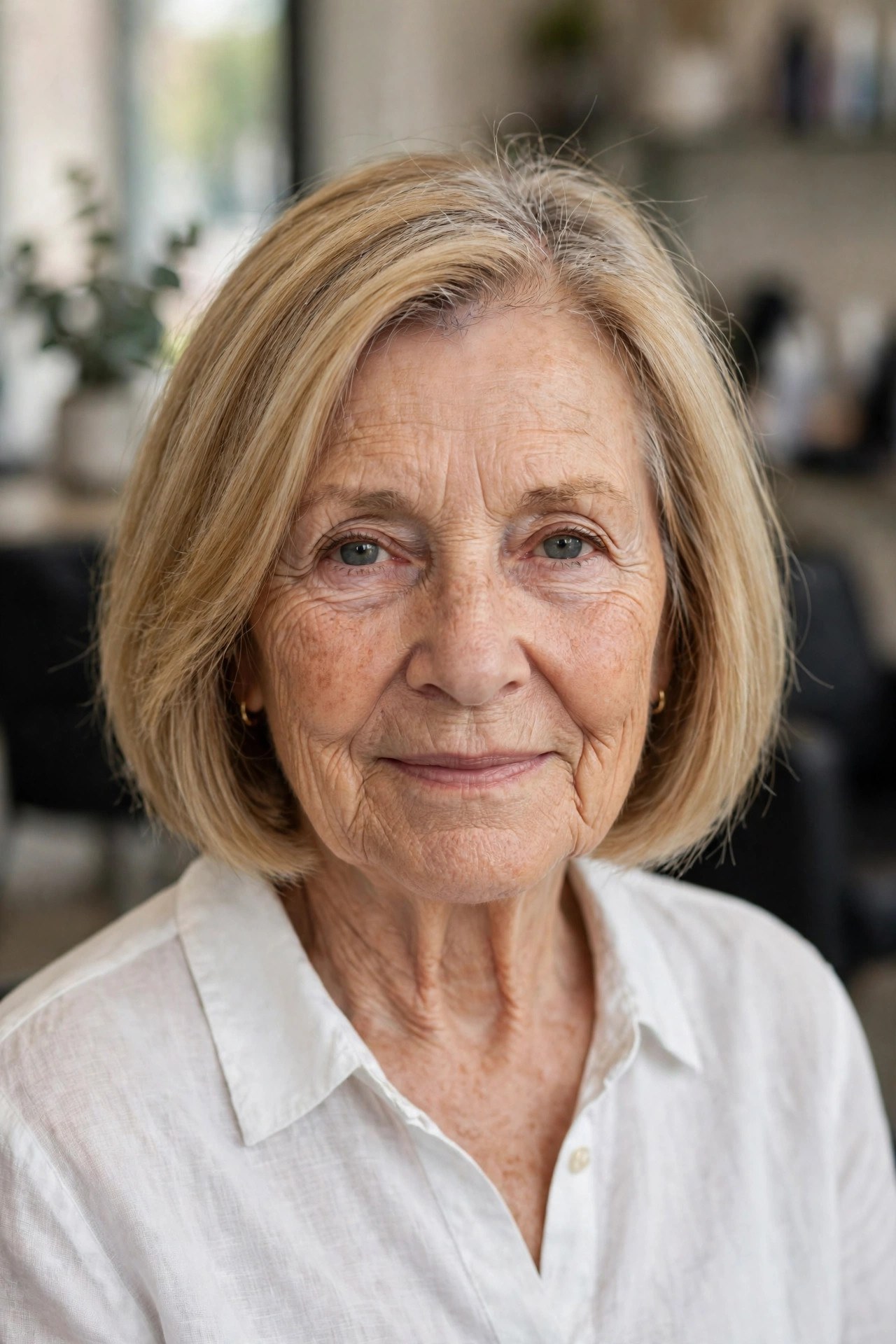
The A-line bob angles gently down from back to front, and that forward slope concentrates your fine hair where it is most visible — framing the jaw. The longer front pieces also draw a diagonal line that is quietly slimming, while the shorter back keeps the neck clean and the shape light.
Keep the angle subtle; a steep slope can look severe and pulls weight away from the crown. Dry with a round brush turning the front pieces slightly under, and let a light foam do the holding. This is a strong choice if your hair is finer at the back than the front.

17. Bob with Curtain Bangs and Cheek Framing
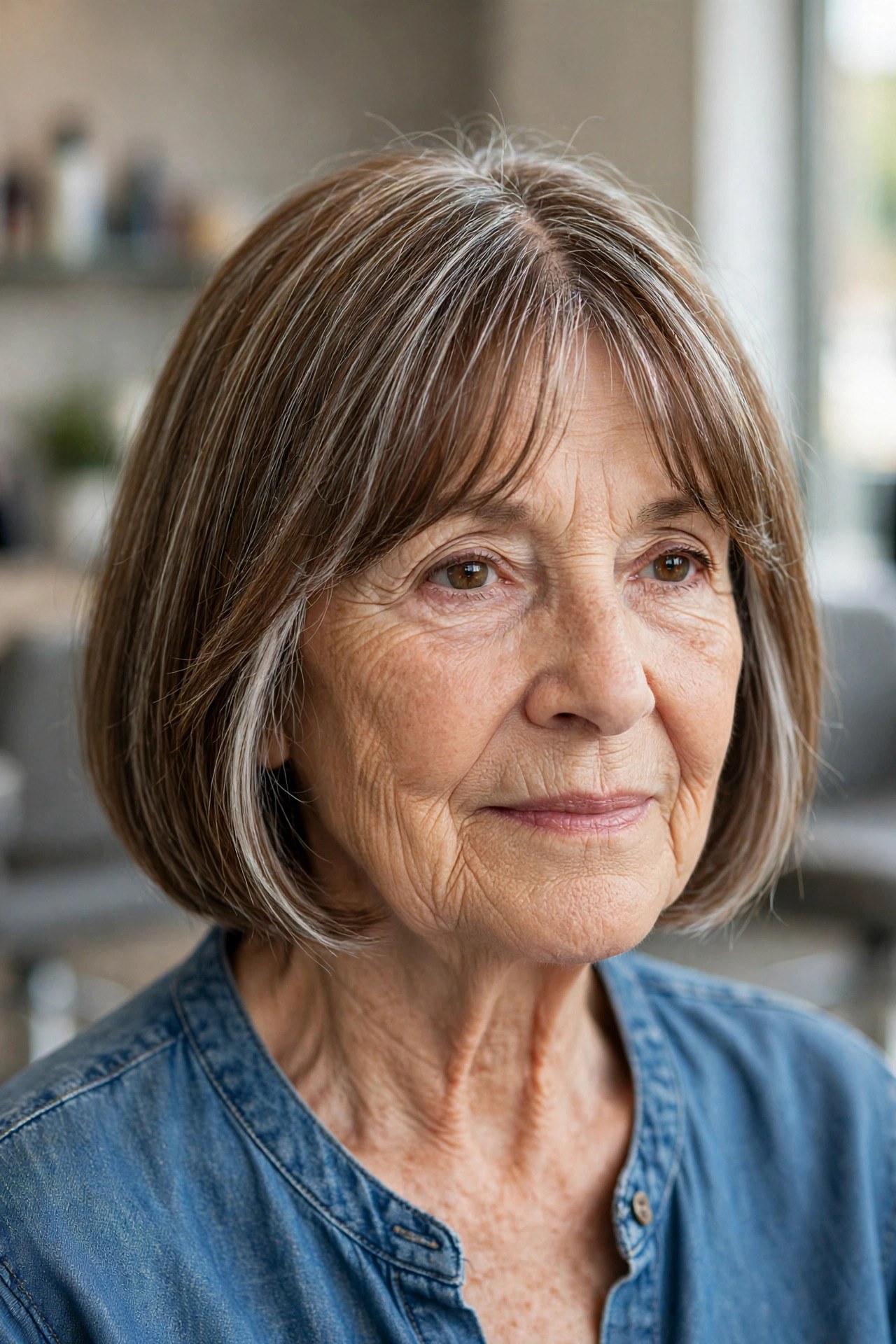
Curtain bangs open in the middle and melt into cheekbone-length pieces, and for fine hair they are a gentle way to add a frame without spending scarce strands on a full fringe. The two diagonal panels draw attention to your eyes and cheekbones, and the longer sides blend straight into the bob so nothing looks thin at the join.
Dry the curtains first: blow them forward, then sweep each side back with a round brush so they open properly. If you are growing out an old fringe, this is the most graceful halfway stage. A flexible spray holds the sweep while still letting it move.
18. Volumized Blowout Bob
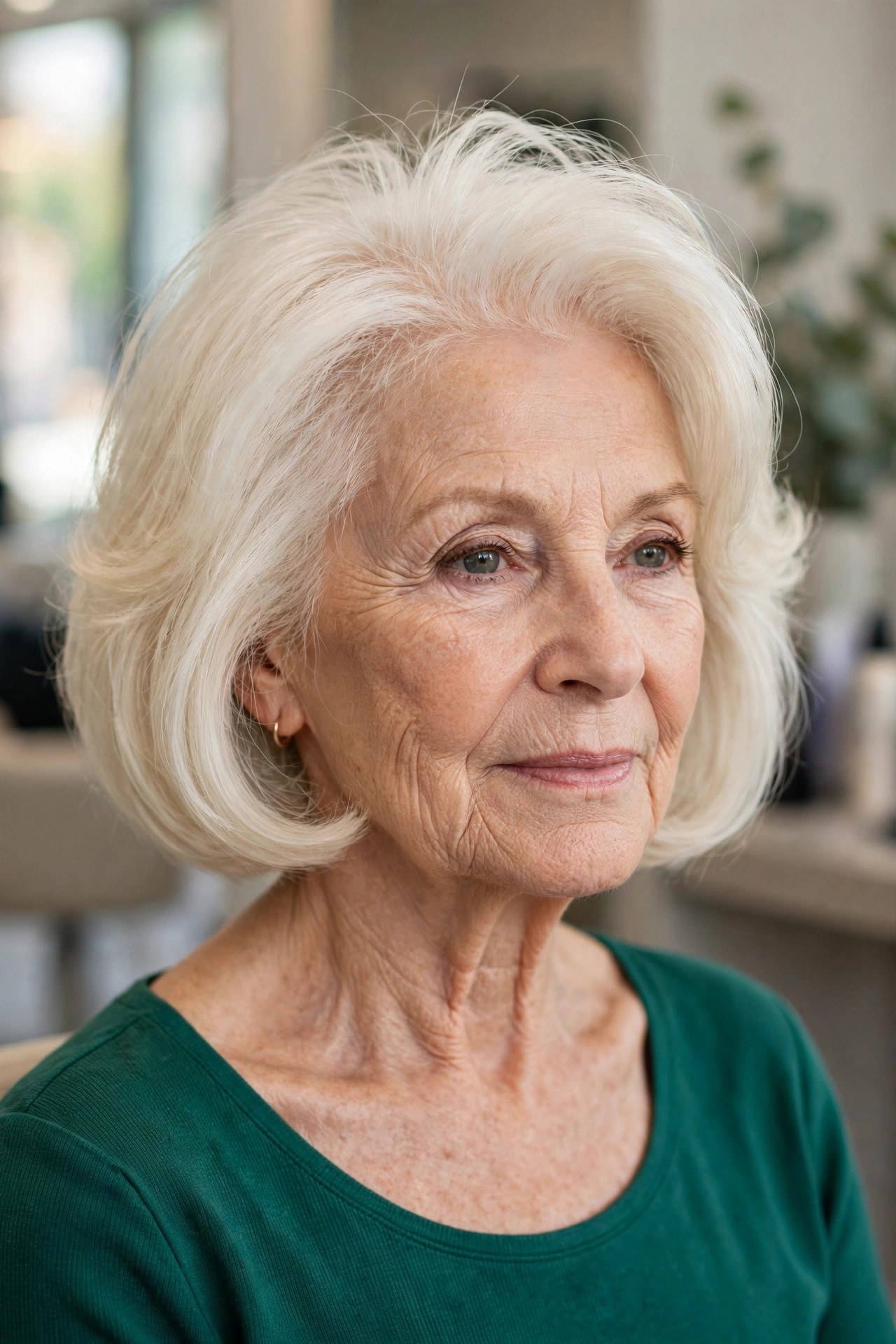
Sometimes the cut is classic and the fullness is all in the finish. The blowout bob takes a simple chin-length shape and dries it lifted at the roots, bouncy through the sides and smooth at the ends — for a day when you want your fine hair to make its grandest possible entrance. On satin overnight, it can hold for two or three days.
Technique matters more than product quantity: mousse on damp hair, then dry in sections with a large round brush — or use a hot-air brush, which does both jobs at once and is gentler on your arms. Finish each section with cool air to set the lift before moving on.
19. Asymmetric Bob with a Fuller Side

Asymmetry is a fullness strategy in disguise. With one side tucked neatly behind the ear and the other left longer and fuller, all your fine hair appears to live on the display side — and the contrast between sleek and full makes both look intentional. A deep side part completes the effect and lifts the crown.
This shape suits women who like a little edge without going short. Keep the tucked side smoothed with a drop of serum and the long side dried with some bend. Our choppy bobs that add volume to fine hair are good companions if you want to add texture to this shape later.

20. Classic French Bob with a Soft Fringe
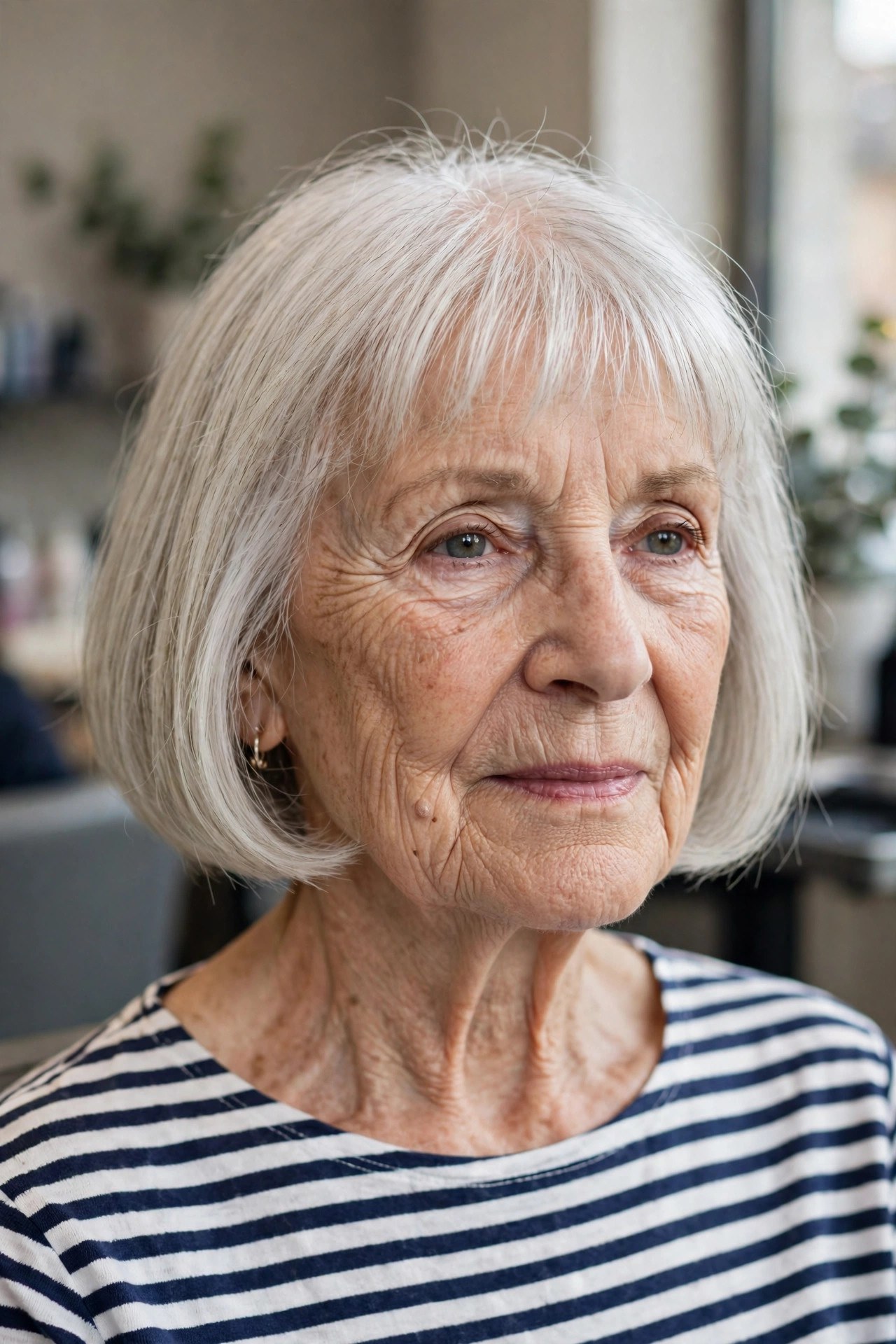
The French bob sits at the jaw, keeps its perimeter blunt, and adds a soft, light fringe — a combination that flatters fine hair from every direction. The fringe is kept feathery rather than heavy, the ends stay solid, and the short length means what hair you have is never dragged flat by its own weight. It reads chic rather than cute, which suits this decade of life perfectly.
Ask for the fringe to be cut sparingly — a French fringe on fine hair should look like a whisper, not a helmet. Style by drying the fringe first with a small brush, then smoothing the sides under. A satin pillowcase helps the shape survive the night with just a morning tidy.

Recommended Products
These five are the workhorses for fine, thin hair after 60: lightweight volume at the roots, gentle texture through the ends, brightness for silver strands, and a refresh for second days — nothing heavy, nothing that weighs fine hair down.
Care and Styling Tips for Fine, Thin Hair Over 60
- ✅ Protect the perimeter. Ask your stylist to skip thinning shears — blunt, solid ends are your fullness.
- ✅ Keep layers strategic. Layers belong at the crown for lift; the last two inches should stay substantial.
- ✅ Product at the roots only. Mousse and foam on roots, almost nothing on ends — heavy ends look stringy fast.
- ✅ Dry for lift. Dry the crown and part first, against their natural direction, and let them cool before flipping over.
- ✅ Use heat protection, always. Fine hair scorches at lower temperatures and breaks more easily — spray before any hot tool.
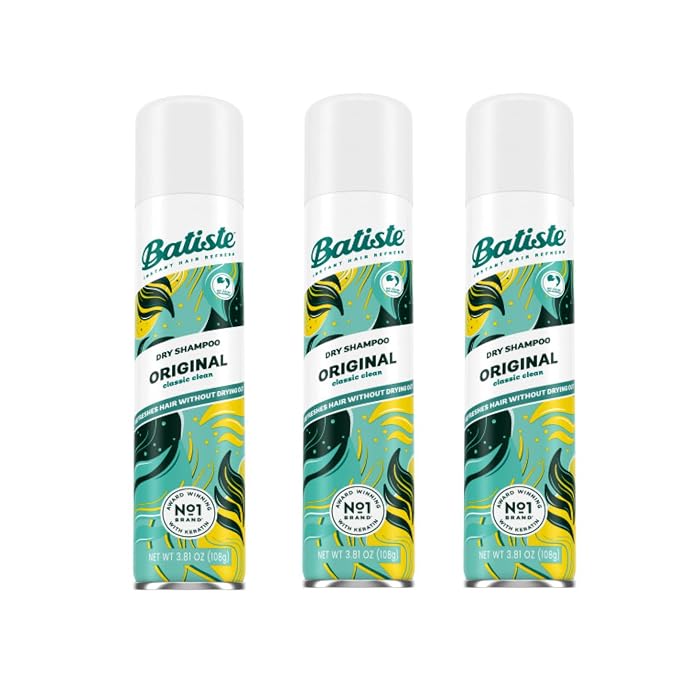
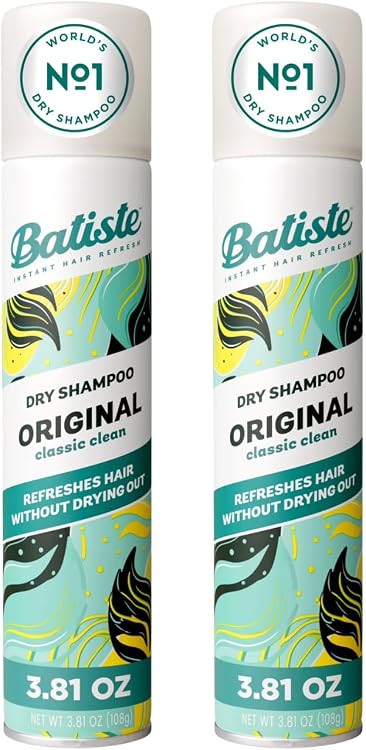
- ✅ Refresh, do not rewash. Dry shampoo on day two adds grip and body at the roots and saves fragile hair from daily washing.
- ✅ Trim little and often. Every 5–6 weeks keeps blunt edges solid before the ends have a chance to go see-through.
- ✅ Sleep on satin. Less friction overnight means less breakage and a style that survives to a second day.
Frequently Asked Questions
What haircut makes fine, thin hair look the fullest over 60?
Blunt cuts are the most reliable: a one-length bob or lob keeps every strand in a single solid perimeter, so the ends look dense instead of wispy. If your main concern is a flat or thinning crown rather than the ends, a layered pixie, stacked bob or tapered crop adds lift where you need it. Many women combine both ideas — blunt ends with light layers only at the crown.
Should women over 60 with thin hair avoid layers?
Not entirely — but layers need to be placed carefully. Long, light layers at the crown create lift and movement, while heavy layering through the ends removes exactly the fullness fine hair cannot spare. Tell your stylist: layers on top, solid perimeter below, and no thinning shears.
How can I make my crown look less thin?
Start with the cut — crown layers in a pixie, stacked bob or shag are designed to stand up rather than lie flat. Then use styling: dry the crown against its natural direction, let it cool, and flip it over. A deep side part also helps by redirecting hair across the crown instead of splitting it down the middle.
Do volumizing products actually work on fine hair?
They work cosmetically, and that is genuinely useful: lightweight mousses and foams coat each fine strand so hair feels and looks a little thicker, and they help roots hold lift. They do not change how much hair you have, so choose light formulas, apply them mainly at the roots, and avoid heavy creams and oils that weigh fine hair down.
How often should fine, thin hair be trimmed?
Every five to six weeks is the sweet spot for most of these cuts. Fine ends split and turn see-through faster than thicker hair, and regular small trims keep blunt perimeters solid and pixie and crop shapes lifting properly. Waiting too long usually means losing more length at the next visit, not less.
Can I keep some length if my hair is thin?
Yes — a collarbone-length lob with blunt ends and cheek-level face framing is designed for exactly that. The keys are a solid bottom line, very few layers, weightless products at the roots only, and honest trims so the ends never thin out. If the last inch looks transparent, that inch is costing you more fullness than its length is worth.
Fine, thin hair after 60 does not need disguising so much as designing. Choose the cut that answers your specific frustration — solid ends for see-through tips, crown layers for flatness, a fringe or a new part for a sparse hairline — show your stylist the photo, and keep the styling light and root-focused. The fullness was there all along; these cuts simply let everyone see it.