Hairstyles for Fine Hair Over 50 That Make Hair Look Fuller
This post contains affiliate links. As an Amazon associate, I earn from qualifying purchases. I only recommend products that are of high quality and that I would use myself.
Fine hair after 50 can feel like a disappearing act: the ponytail is slimmer, the part looks wider, and styles that worked at 40 fall flat by lunchtime. Here is the encouraging truth — fine hair is a texture, not a life sentence. With the right cut, the same hair can look noticeably fuller, because fullness is mostly about shape, edges and lift, not about having more hair.
The 20 styles below span every length, from sleek pixies to collarbone cuts, and each one uses a specific trick — a blunt perimeter, smart graduation, a deep side part, color dimension — to make fine strands read as abundant. If you are starting very short, our roundup of short hairstyles for fine, thin hair is a great companion, and the broader guide to short hairstyles for women over 50 covers even more shapes.
One ground rule before we start: on fine hair, less layering than you think, more edge than you expect. Keep that in mind as you browse, save your two or three favorites, and take the photos to your stylist.
Table of Contents
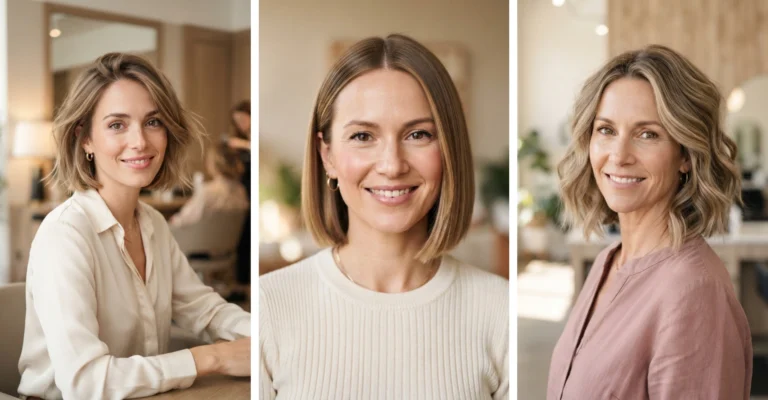
- 1. Blunt Chin-Length Bob with Lifted Roots
- 2. Textured Pixie with a Lifted Crown
- 3. Stacked Bob with a Graduated Nape
- 4. Side-Parted Lob with Soft Layers
- 5. Choppy Bob with Piecey Ends
- 6. Feathered Pixie with a Longer Top
- 7. Rounded Bob with Side-Swept Bangs
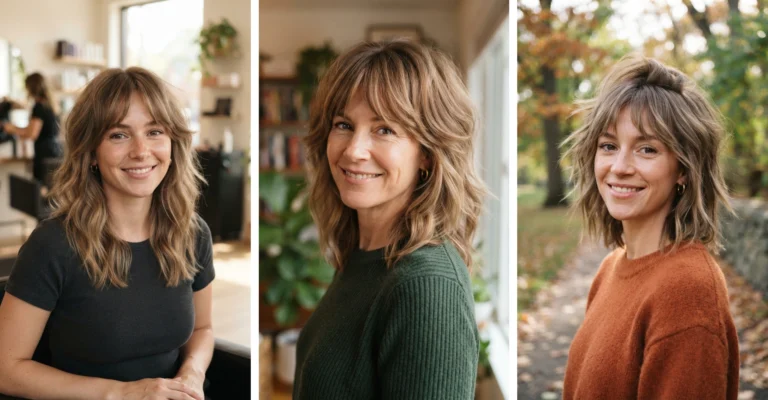
- 8. Layered Shoulder Cut with Curtain Bangs
- 9. Angled Bob with Dimensional Highlights
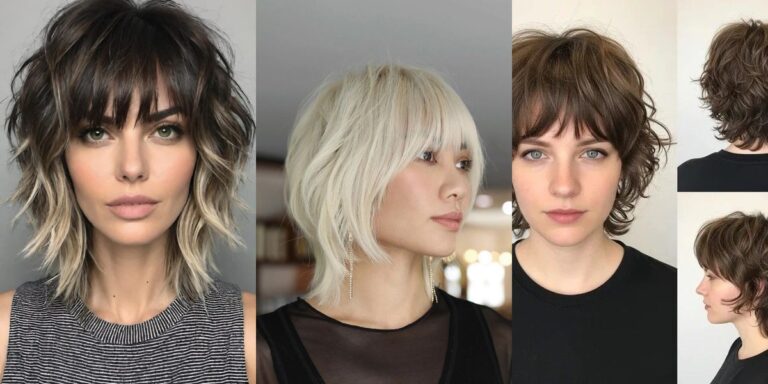
- 10. Soft Shaggy Bob with Wispy Layers
- 11. Tousled Lob with Beachy Texture
- 12. Short Crop with a Textured Fringe
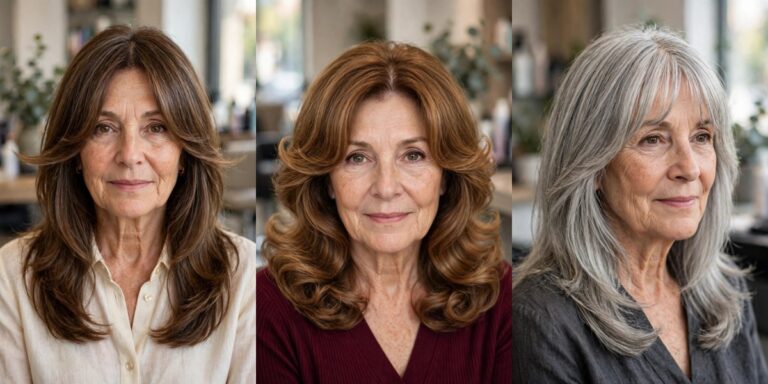
- 13. Face-Framing Layers on a Medium Cut
- 14. Silver Pixie with a Lifted Crown
- 15. Wavy Bob with a Deep Side Part
- 16. Graduated Pixie with a Longer Front
- 17. Collarbone Cut with Blunt Ends and a Soft Bend
- 18. Layered Bob with Balayage Dimension
- 19. Airy Curly Bob for Fine Natural Curls
- 20. Sleek Tapered Pixie with a Lifted Top
- Recommended Products
- FAQs
- Flat crown? Choose a pixie or stacked bob — height is built into the shape.
- See-through ends? Choose a blunt bob or one-length collarbone cut and skip heavy layers.
- Thinning hairline? Choose a longer-front pixie, feathered fringe or curtain bangs.
- attached to your length? Choose face-framing layers or a lob — and let a deep side part do the lifting.
1. Blunt Chin-Length Bob with Lifted Roots
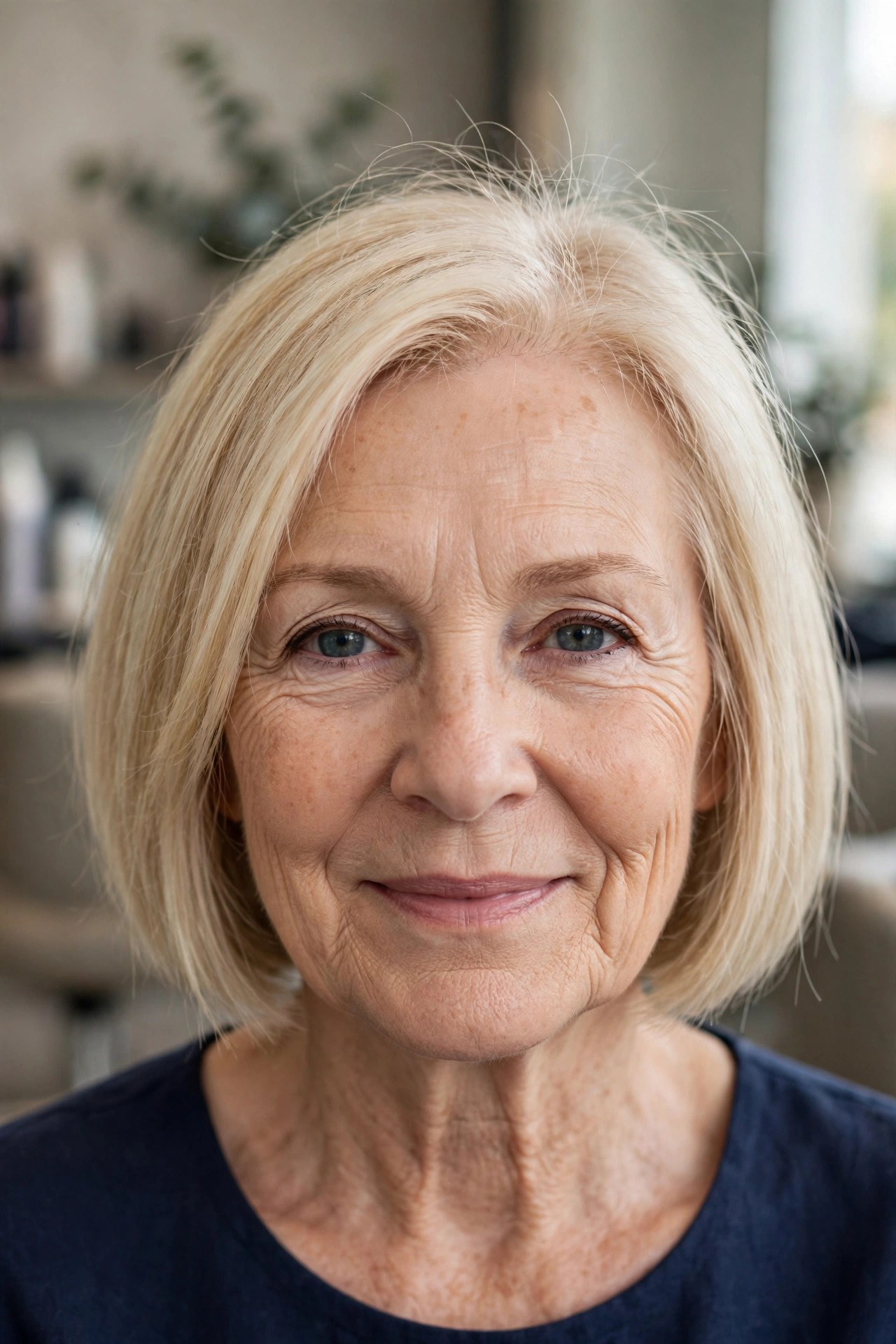
A blunt bob is fine hair’s best friend because every strand ends at the same place, so the perimeter looks dense instead of wispy. Cut straight across at chin level, the bottom edge reads as one solid line — and that line is what the eye interprets as thickness. Ask your stylist to keep the interior almost layer-free; the fullness lives in that clean edge.
Style it by working mousse through damp roots and blow-drying with a round brush, lifting straight up at the crown before rolling the ends under. It suits oval, heart and longer faces especially well, grows out gracefully, and needs just a tidy-up trim every six weeks to keep the edge sharp.


2. Textured Pixie with a Lifted Crown
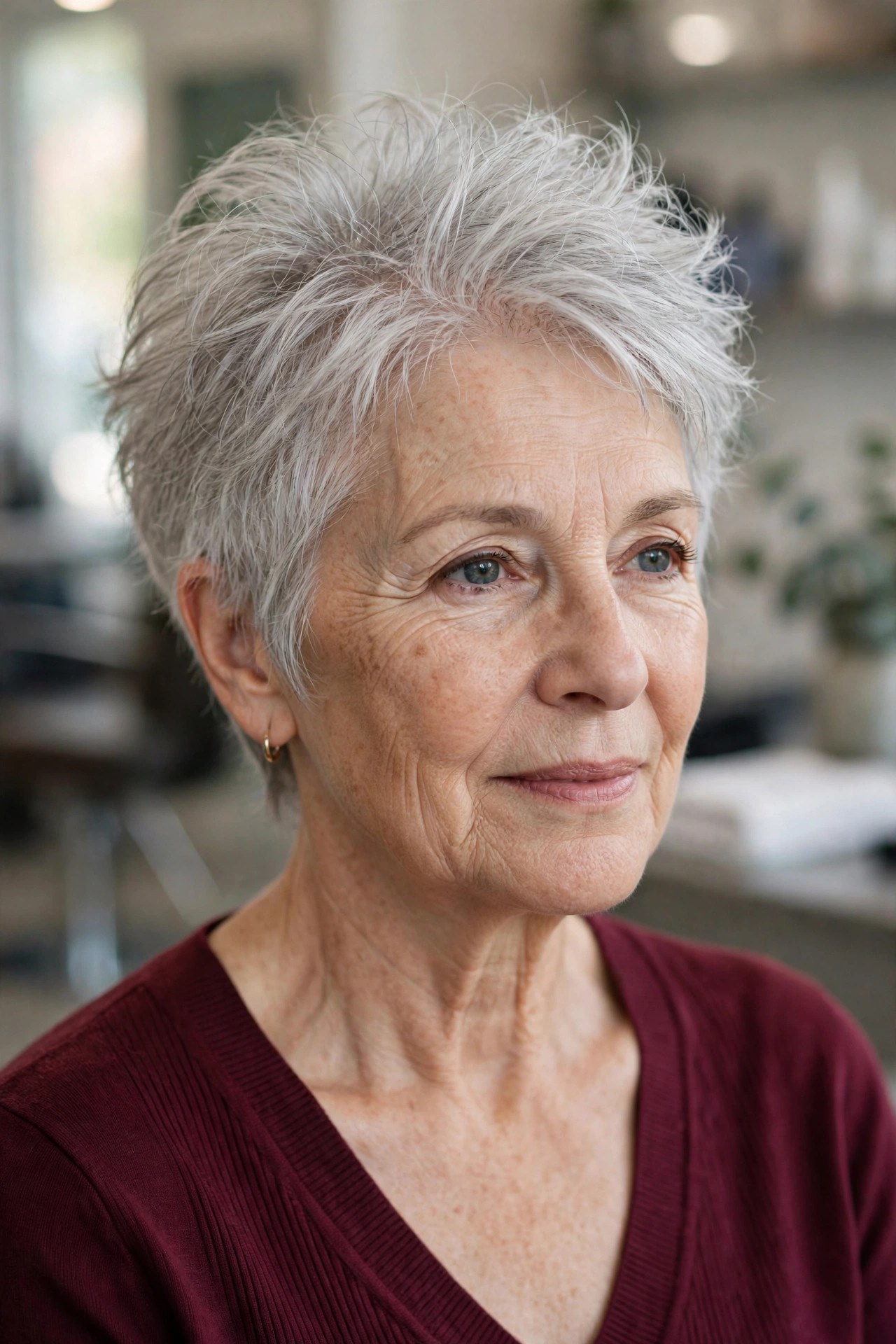
When hair is fine, shorter really can look thicker. A textured pixie removes the weight that drags fine strands flat, then uses choppy, point-cut layers on top to create separation and shadow — both of which read as density. Keeping the sides neat pushes all the visual volume up to the crown, exactly where fine hair usually collapses first.
This is a five-minute morning style: a pea-size amount of texturizing putty warmed between your fingers, pinched through the top in different directions. If short cuts are new to you, browse these pixie haircuts designed for thin, fine hair before your appointment. Trims every four to five weeks keep the crown texture fresh.


3. Stacked Bob with a Graduated Nape
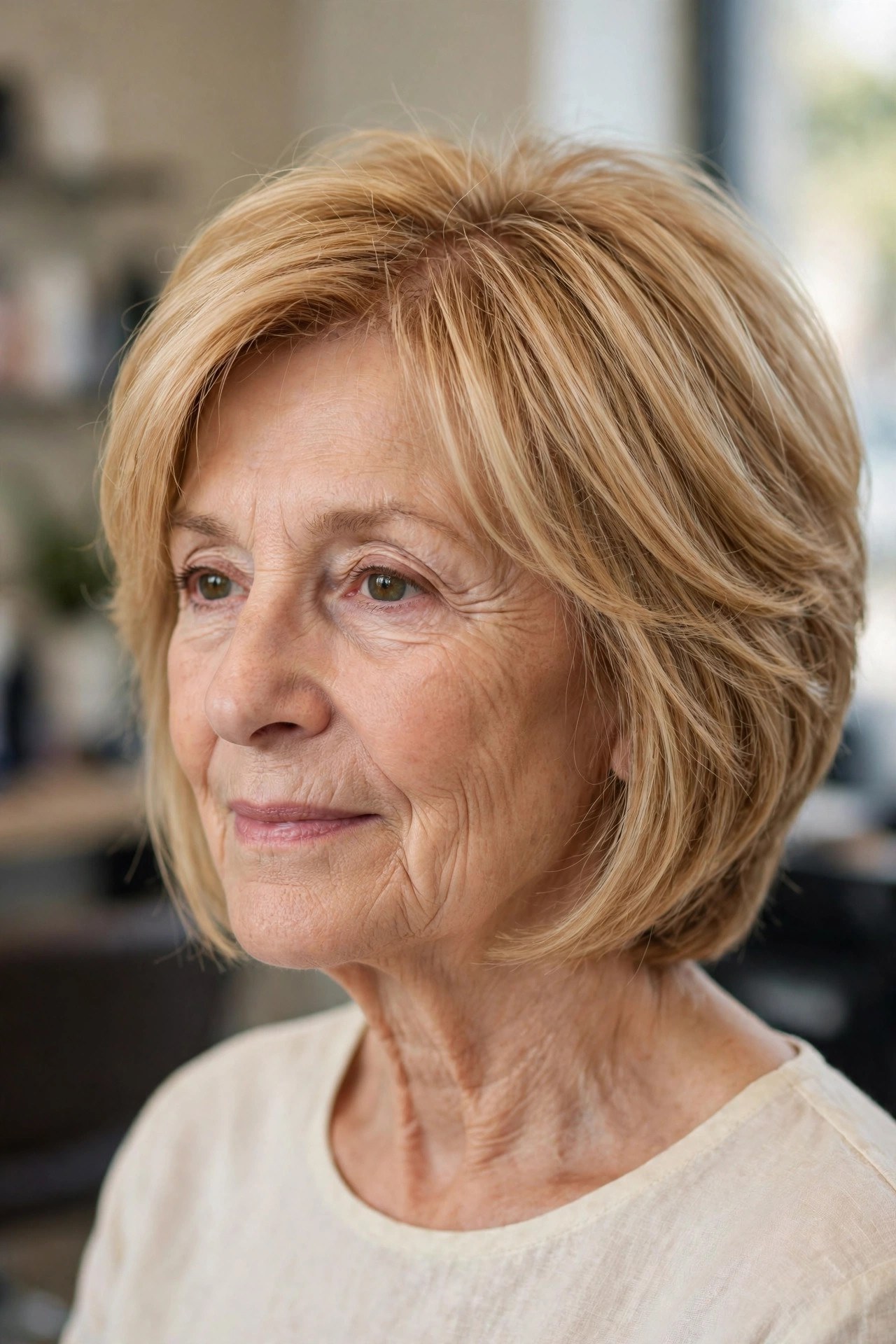
Stacking is a clever bit of architecture: shorter graduated layers at the nape support the longer layers above them, so the back of the head looks rounded and full instead of flat and see-through. From the side, the silhouette swells gently at the back and angles down toward the chin, giving fine hair a shape it could never hold on its own.
Blow-dry the back first, lifting with a small brush, then smooth the top layer over. Our guide to stacked bobs for fine hair shows more variations if you want extra height. It is a polished choice for straight to slightly wavy hair and for women who wear glasses, since the clean front line never fights with frames.


4. Side-Parted Lob with Soft Layers
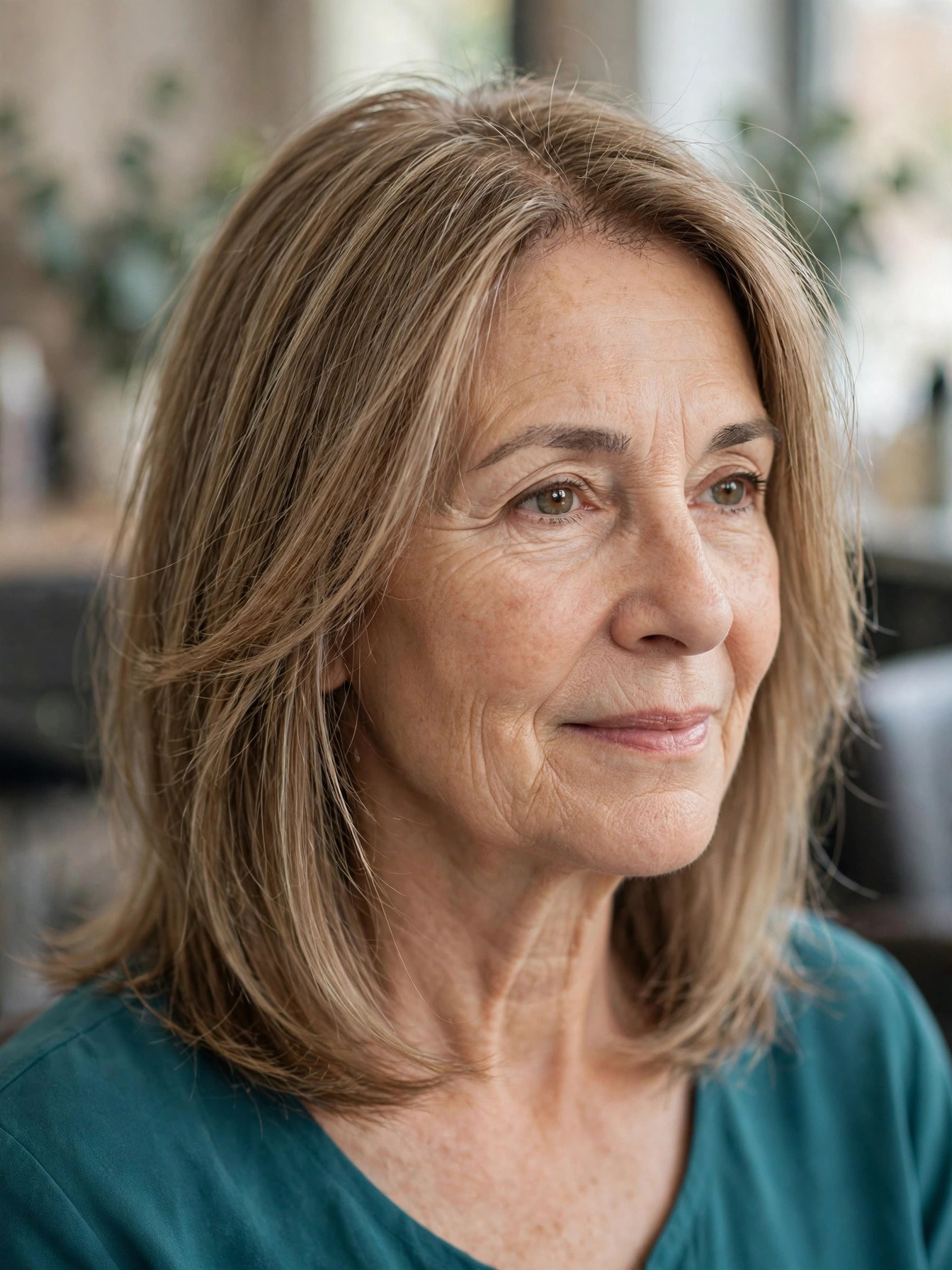
If you are not ready to go short, the lob — a long bob resting at the collarbone — is the longest length fine hair can usually wear while still looking full. A deep side part does heavy lifting here: flipping the hair over creates instant root lift and a sweep of volume across the top that a center part simply cannot match.
Ask for soft, long layers only through the last few inches so the ends stay substantial. Blow-dry with a dryer brush, directing everything up and over to the opposite side, then flip it back. The result moves, shines and never looks stringy — ideal if your hair is fine but you love a bit of length and versatility.


5. Choppy Bob with Piecey Ends
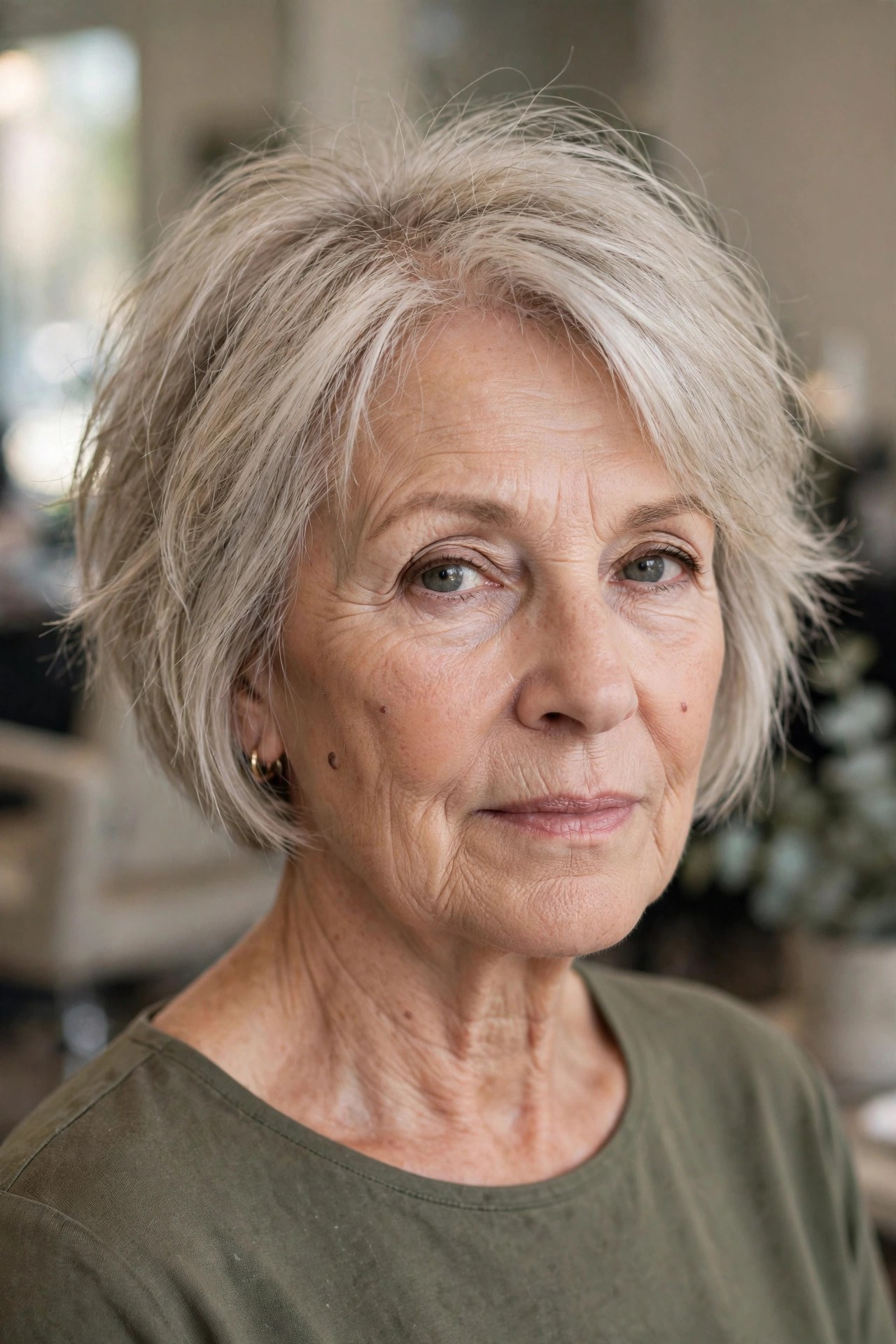
Choppiness is controlled messiness, and it is magic on fine hair. Instead of one flat sheet, the ends are cut into soft, uneven pieces that catch light from different angles, building the impression of texture and thickness. A bob length keeps enough hair for shape, while the piecey finish stops it ever looking helmet-like or severe.
Work a root-lifting styler through damp hair, dry it roughly with your fingers, then define a few pieces at the front. For more volume-first variations, see these choppy bob hairstyles that add volume. This cut forgives second-day hair beautifully — a quick spritz and scrunch revives it.
6. Feathered Pixie with a Longer Top
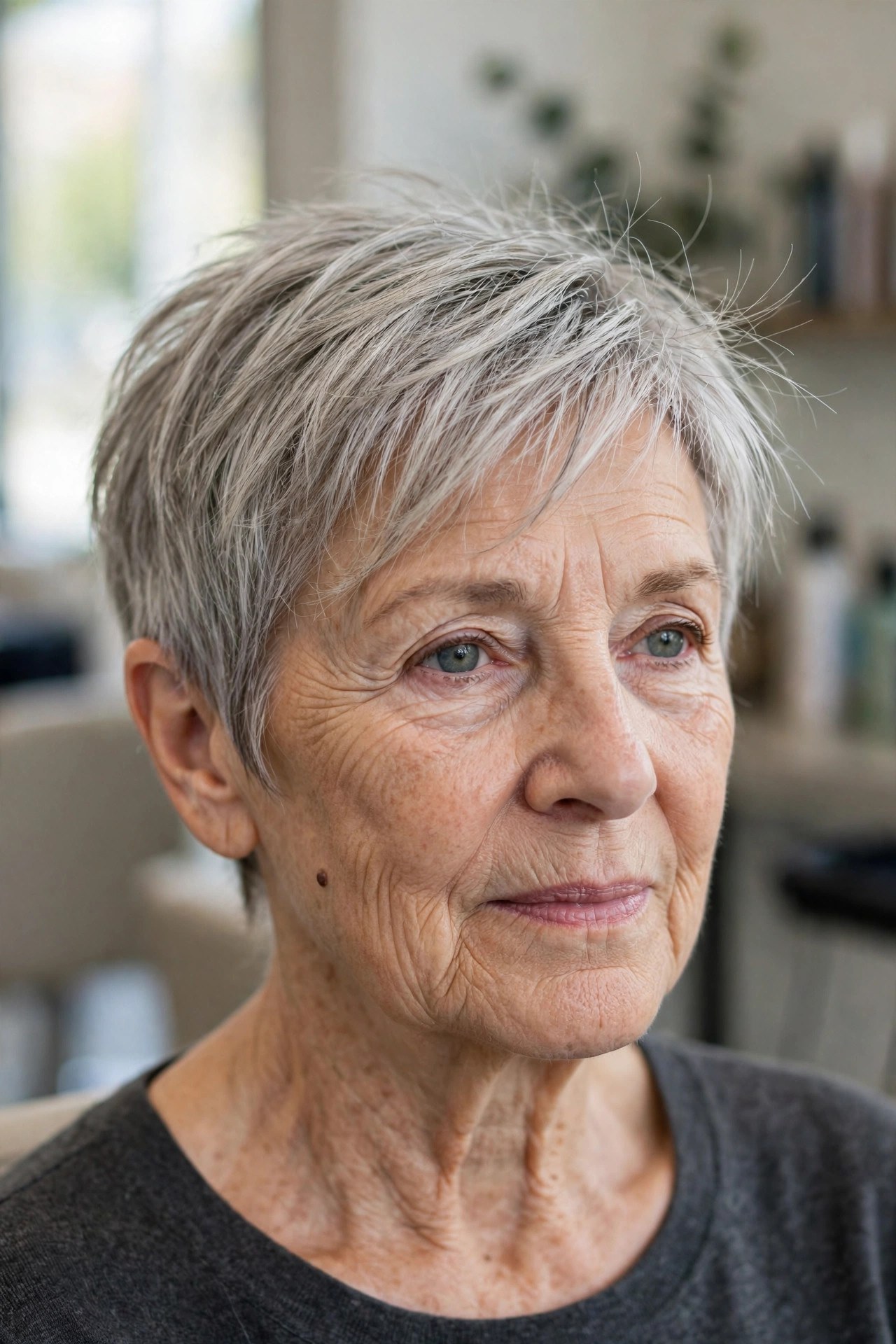
Feathering cuts fine layers that lie over each other like soft plumage, and on a pixie it creates movement without sacrificing an ounce of fullness. Keeping the top longer lets you sweep the fringe forward or to the side, which covers a thinning hairline far more kindly than a short, exposed fringe ever could.
It is wonderfully low effort: dry the top forward with your fingers, then push it into place. A mini flat iron can flick the front pieces when you want polish for an evening out. This style particularly suits women with delicate features and anyone whose crown needs disguising, since the feathered layers blur any sparse patches.

7. Rounded Bob with Side-Swept Bangs
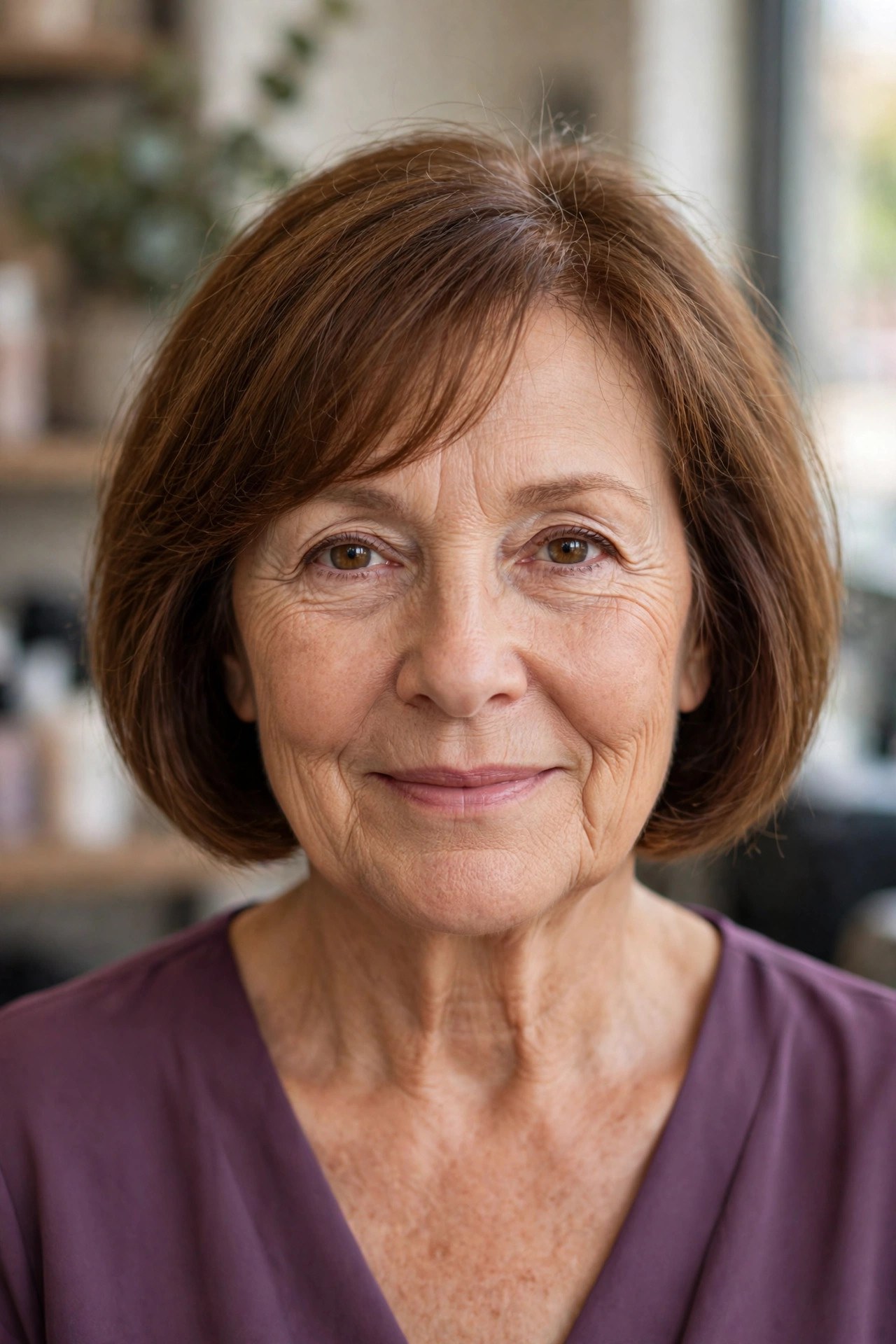
A rounded bob curves under at the ends, and that curve tricks the eye into seeing a fuller, more substantial shape. The side-swept bang is the other half of the trick — instead of a thin, blunt fringe that can look sparse, a long sweeping section borrows hair from the side part and makes the front look lush.
This is a classic for a reason: it frames the eyes, softens the forehead and works with glasses. Blow-dry with a round brush, rolling the bang diagonally across the forehead. A drop of light serum — truly one drop, worked through the ends only — adds shine without flattening the curve.
8. Layered Shoulder Cut with Curtain Bangs
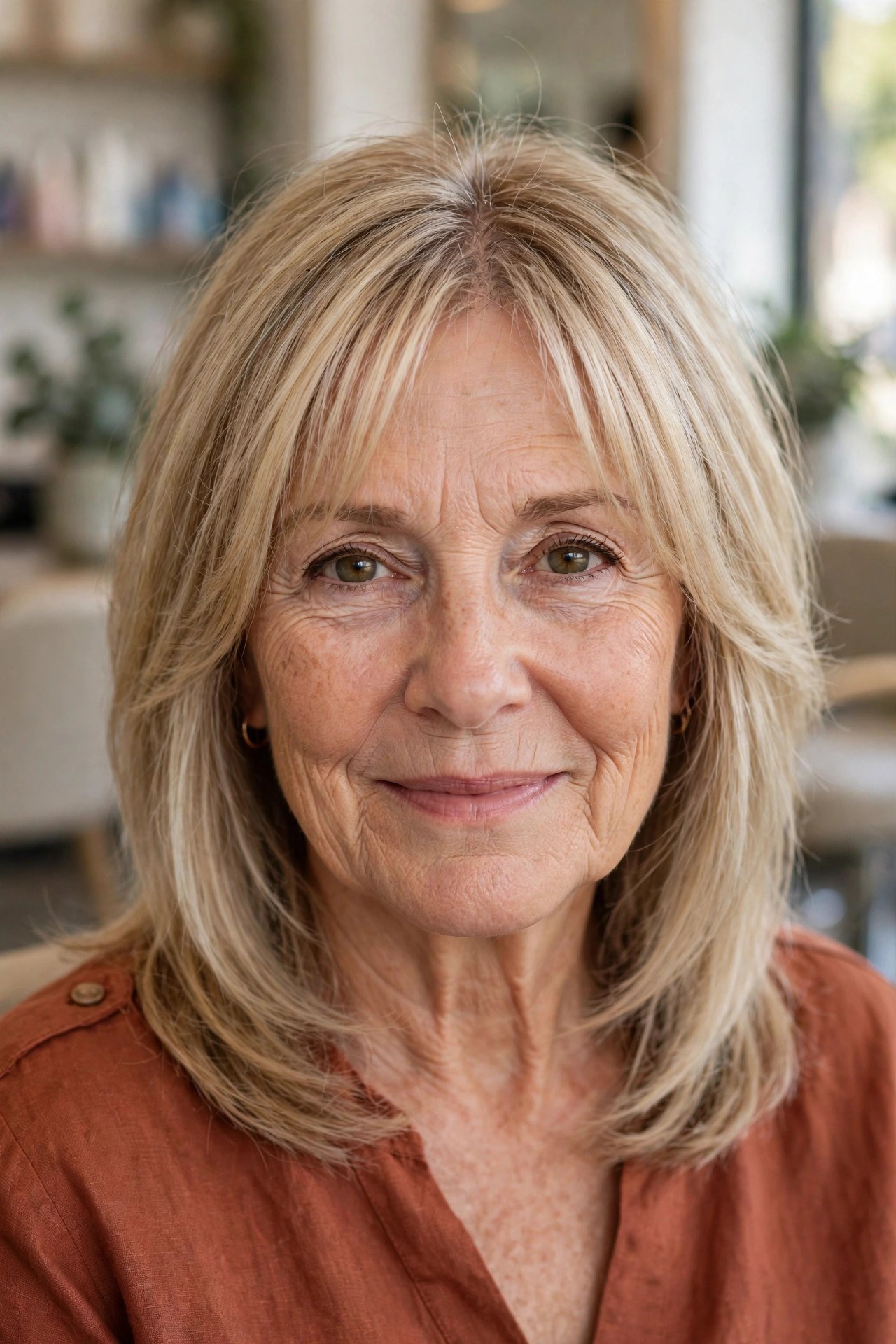
Curtain bangs part in the middle and fall to either side like drapes, and they are one of the kindest fringe options for fine hair: they do not require a thick section of hair, yet they create width and fullness right at the front where people look first. Paired with light layers through a shoulder-length cut, the whole style gains movement.
Style the bangs by drying them forward first, then splitting and sweeping each side back with a round brush — this is what creates that lifted, feathery opening. Keep layers long and sparse; too many short layers on fine hair remove the very density you are trying to fake. Great for growing out a shorter cut, too.

9. Angled Bob with Dimensional Highlights
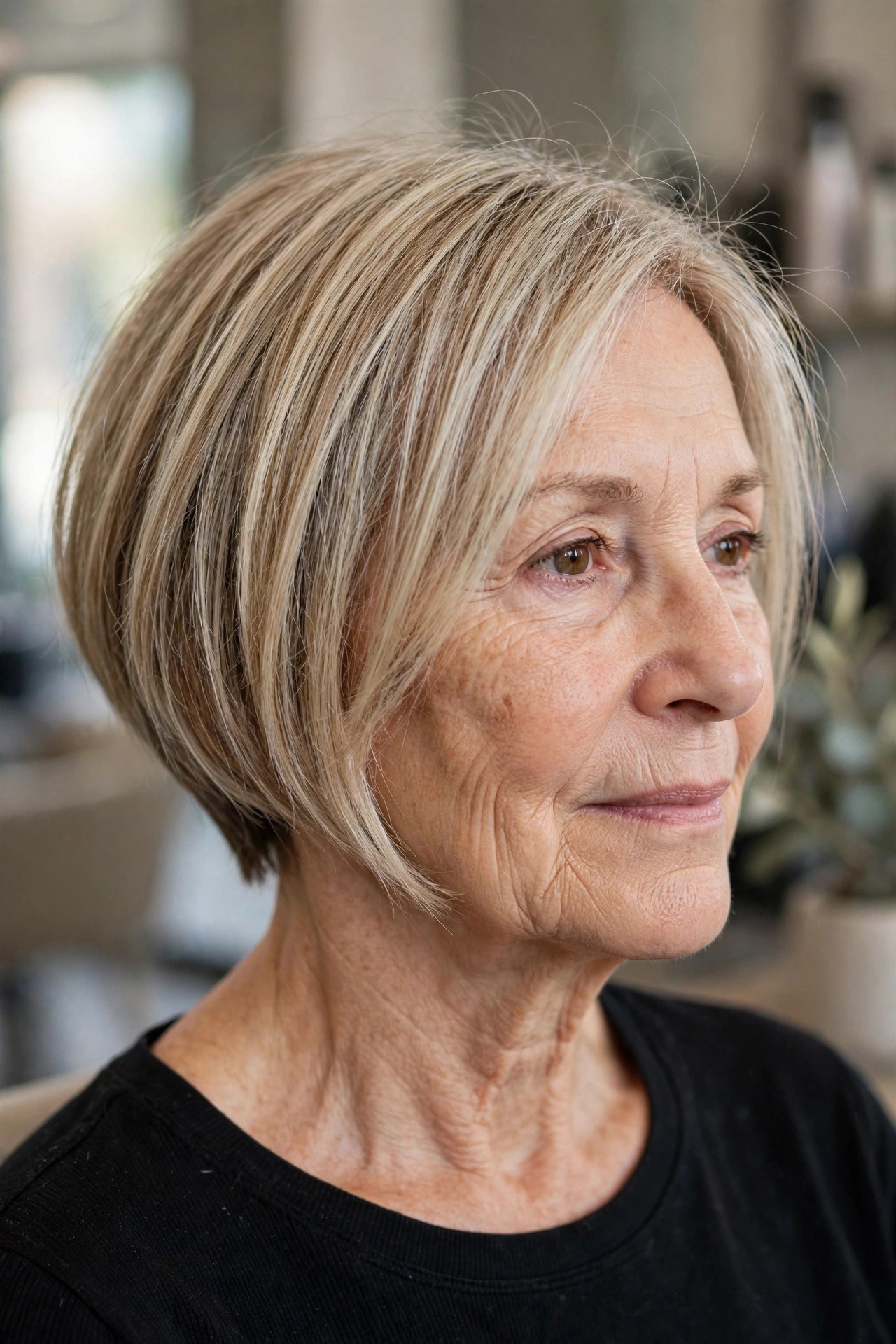
Here, cut and color share the work. The angled bob — shorter at the back, longer toward the front — builds a strong, full outline, while fine highlights woven through the top add light-and-shadow dimension. On flat, one-tone fine hair the eye sees straight through to thinness; add subtle contrast and the same hair suddenly reads as thick and multi-layered.
Ask your colorist for fine, blended highlights rather than chunky streaks, and keep the angle gentle if you prefer a softer profile. Protect color-treated fine hair with a heat protectant before any hot brush work. The grow-out is forgiving, making this a smart low-commitment way to test the dimension trick.

10. Soft Shaggy Bob with Wispy Layers
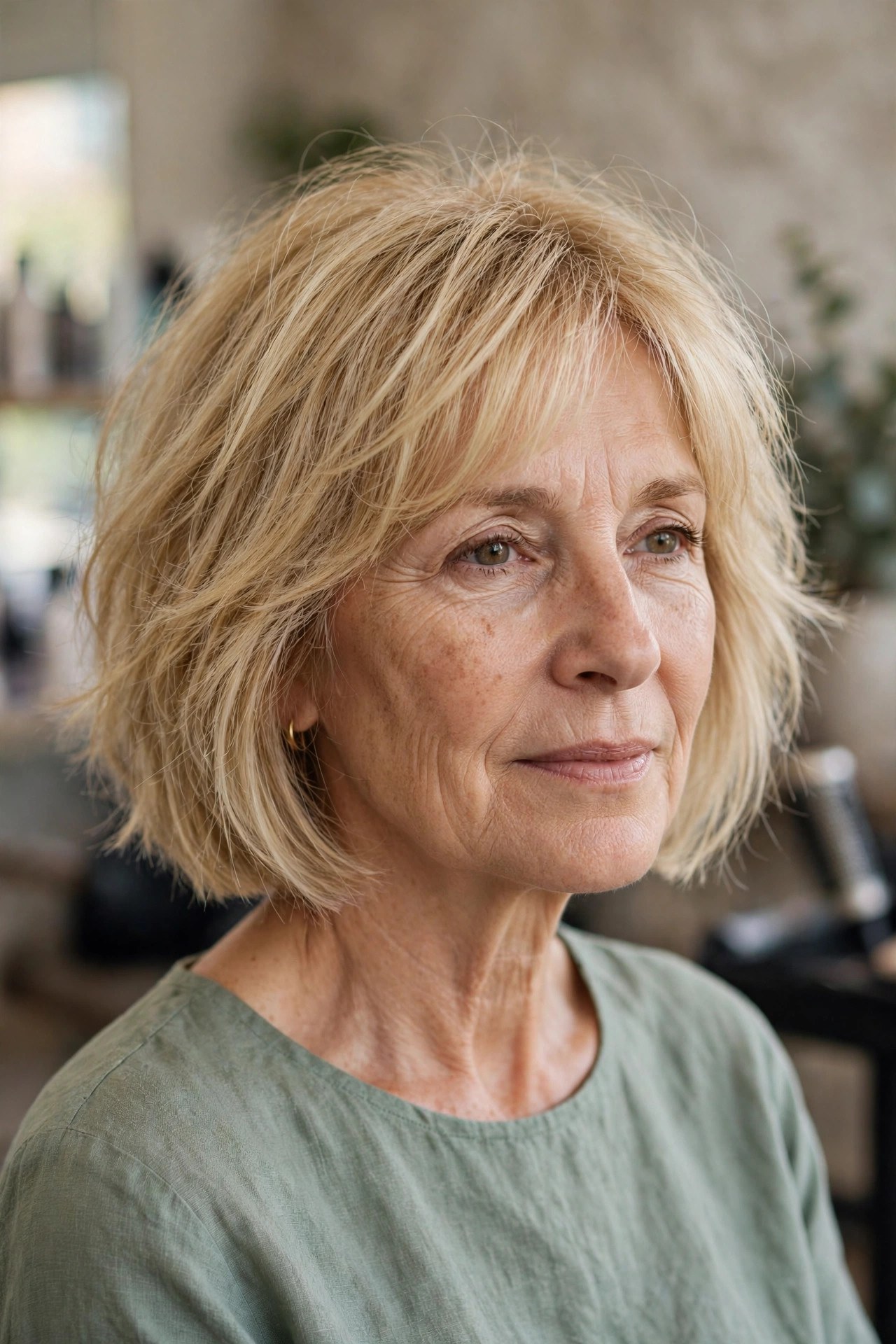
The modern shag is far softer than its seventies ancestor: wispy layers through the top and sides, a slightly textured fringe area, and — crucially — a perimeter that is left full rather than razored away. That combination gives fine hair airy movement on top while the bottom edge still reads thick and healthy.
It thrives on a wash-and-scrunch routine: sea salt spray through damp lengths, a gentle scrunch, and air-drying or a quick diffuse. Between washes, dry shampoo at the roots stops the wispy layers from separating into strings. This is the most relaxed, youthful-feeling bob on the list.

11. Tousled Lob with Beachy Texture
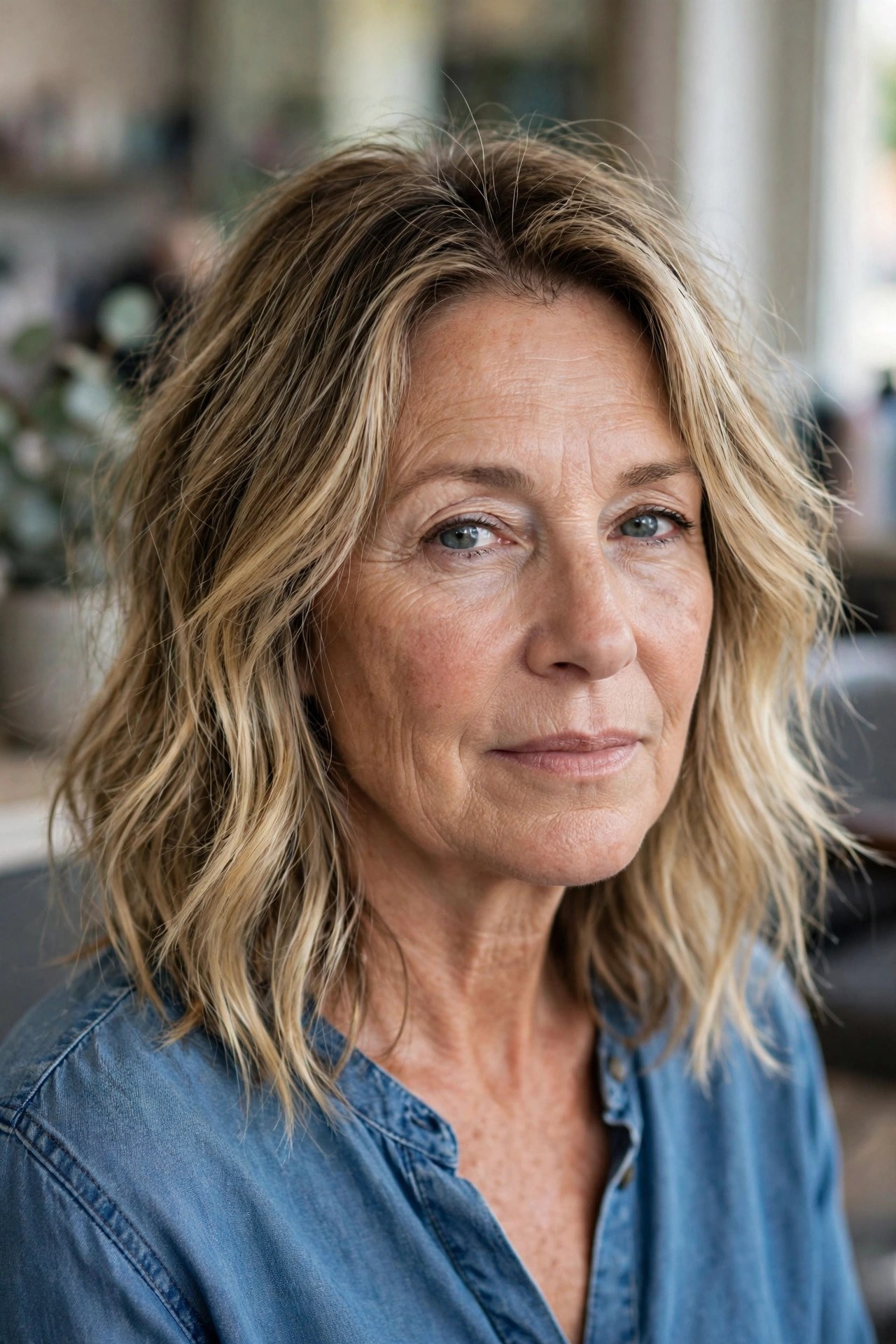
Loose, imperfect waves are a volume strategy in disguise. A wave bends the hair shaft, and bent hair takes up more space — so a tousled lob looks roughly twice as full as the same hair worn straight. The collarbone length is long enough to feel feminine, short enough that the fine ends do not trail off into transparency.
Create the bend with a dryer brush on large sections, twisting as you pull through, or braid damp hair overnight for a heat-free version. Finish with a sea spray scrunched through the ends. If your hair is naturally straight and resists waves, ask for a few long layers to encourage the shape to hold.

12. Short Crop with a Textured Fringe
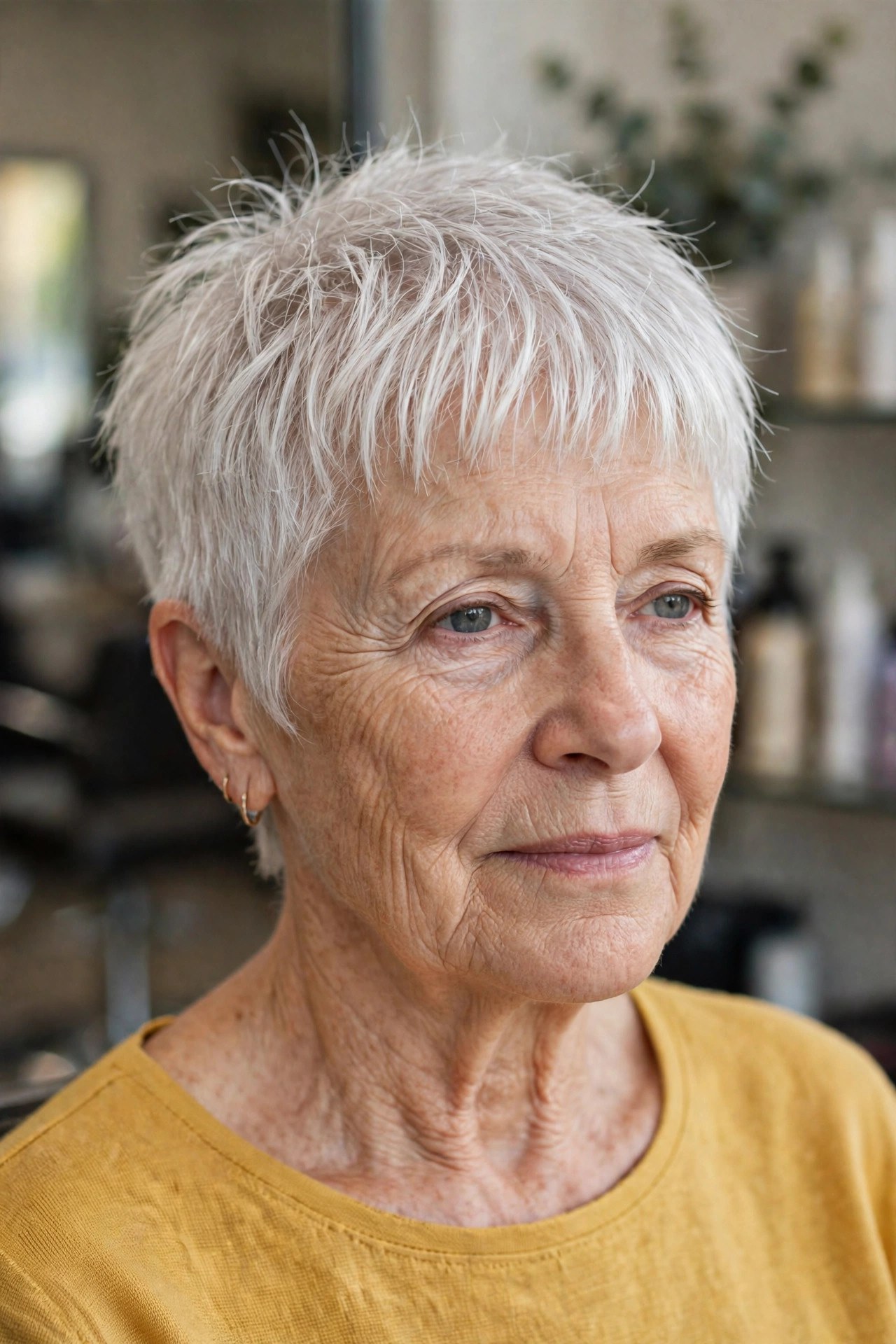
A short crop with a choppy, textured fringe is bold, tidy and surprisingly flattering after 50. The fringe is cut into small, uneven pieces rather than one solid block, so even a fine fringe looks intentionally textured instead of thin. Short tapered sides keep the silhouette clean and push attention up to the eyes.
Silver and white hair looks especially striking in this cut — keep it bright with a purple shampoo once a week so the tone stays clean rather than yellow. Styling takes two minutes: putty through the fringe, push it forward and slightly across. It is a strong choice for women with a fine hairline who are tired of fighting it.

13. Face-Framing Layers on a Medium Cut
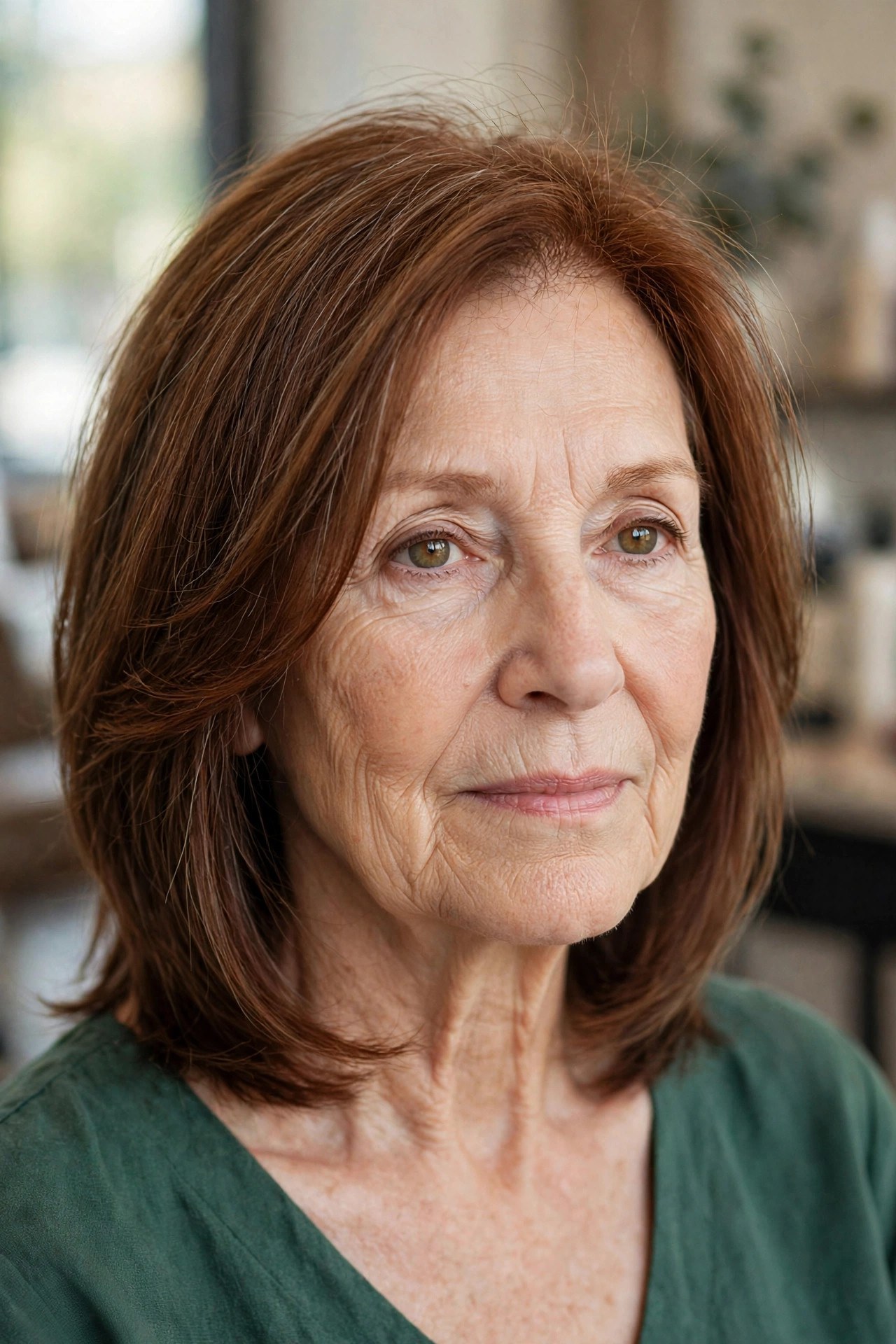
Sometimes the fullest-looking change is not shorter hair but smarter hair. Long face-framing layers, starting around the cheekbones and angling down, break up the flat sheet that makes fine medium hair look limp. The angled pieces create shadow and movement at the front while the back keeps its length and density.
Blow-dry the front sections forward onto the face, then sweep them back — that forward-then-back motion is what creates the lifted, feathered opening. You can also pin one side back with a flat clip for an easy dressed-up variation. This cut suits nearly every face shape and is the gentlest option if you are attached to your length.

14. Silver Pixie with a Lifted Crown
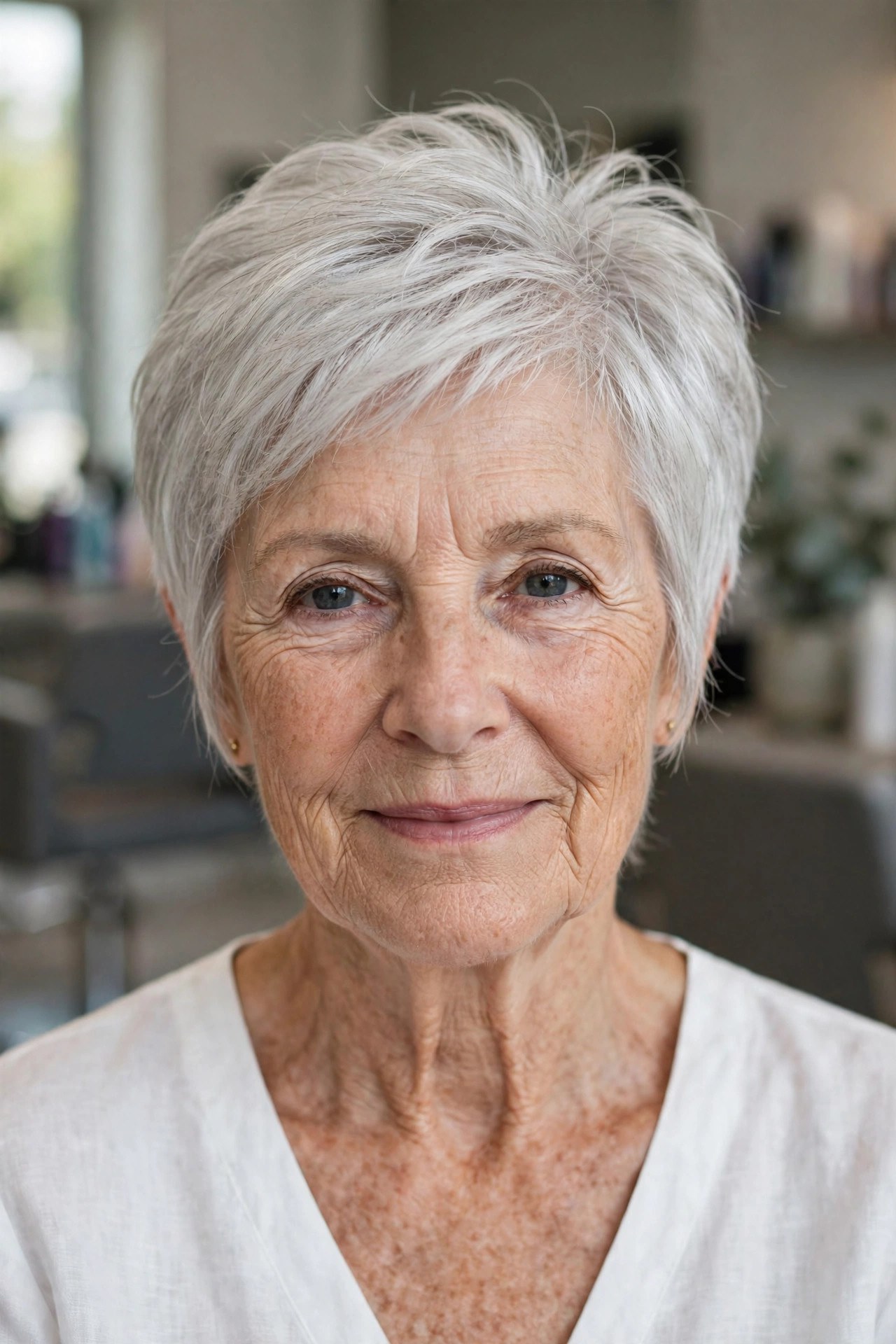
Natural silver hair has a secret advantage: gray strands are often slightly coarser than pigmented ones, so they hold lift better. A silver pixie styled with the crown brushed up and back shows off that wiry strength, and the bright, even color makes the shape look crisp and deliberate rather than sparse.
Use a root-lifting styler before drying, and dry the crown in the opposite direction to how it will lie, then flip it over for maximum height. This is one of the most confidence-giving styles here — it celebrates your natural color instead of hiding it, and the upkeep is simply a tidy trim every month or so.
15. Wavy Bob with a Deep Side Part
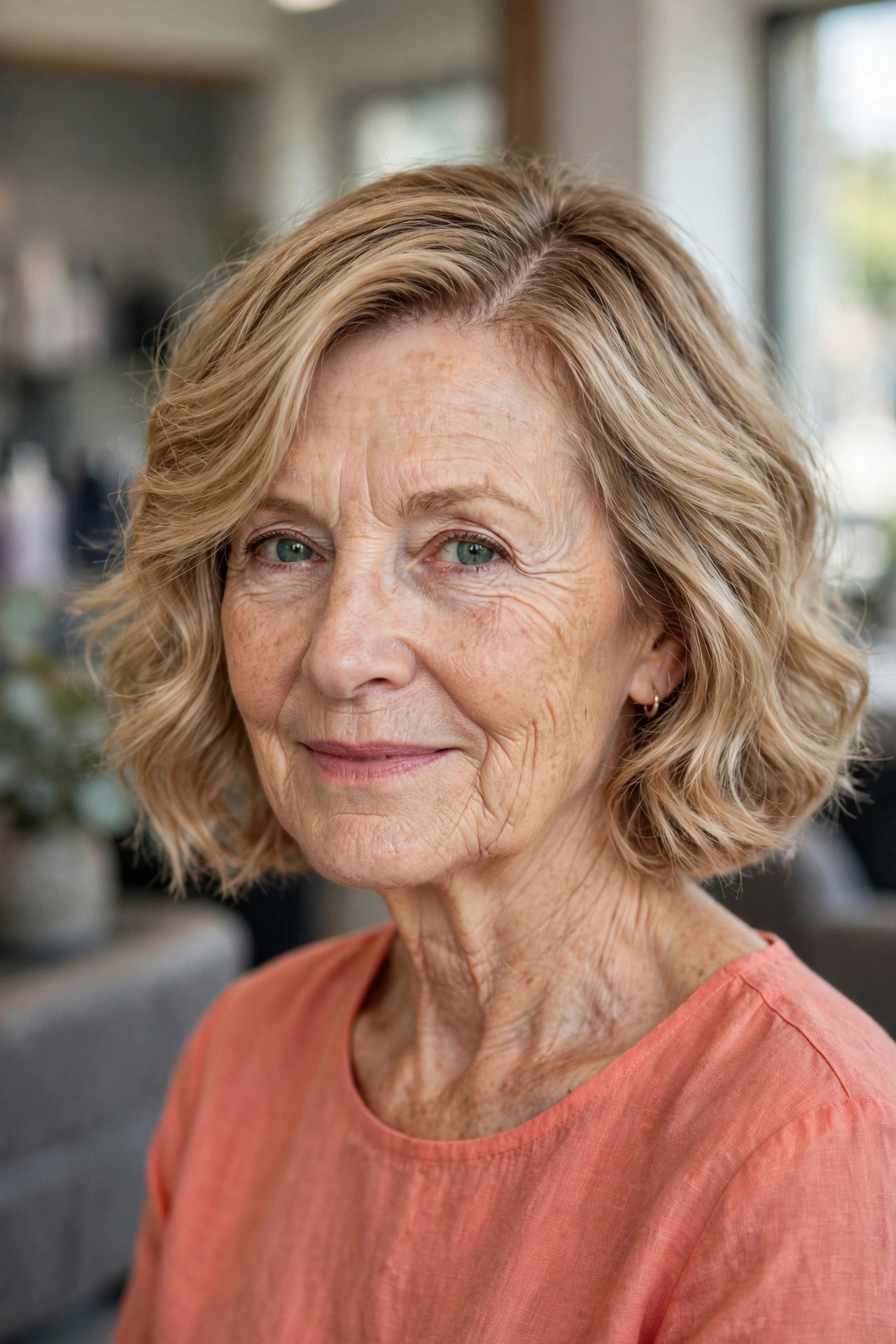
Move your part two inches to the side and watch what happens: hair that has been trained flat suddenly stands up at the root, creating a sweeping arc of volume across the top. On a wavy bob, that deep part plus soft waves through the lengths gives width at both the crown and the sides — the two places fine hair needs it most.
Dry the roots with the part on the ‘wrong’ side, then flip to your real part for instant lift that lasts. Keep waves loose rather than curly; a brushed-out wave looks fuller and softer around the face. This style photographs beautifully and transitions from daytime casual to evening polish with nothing more than a tuck behind one ear.
16. Graduated Pixie with a Longer Front
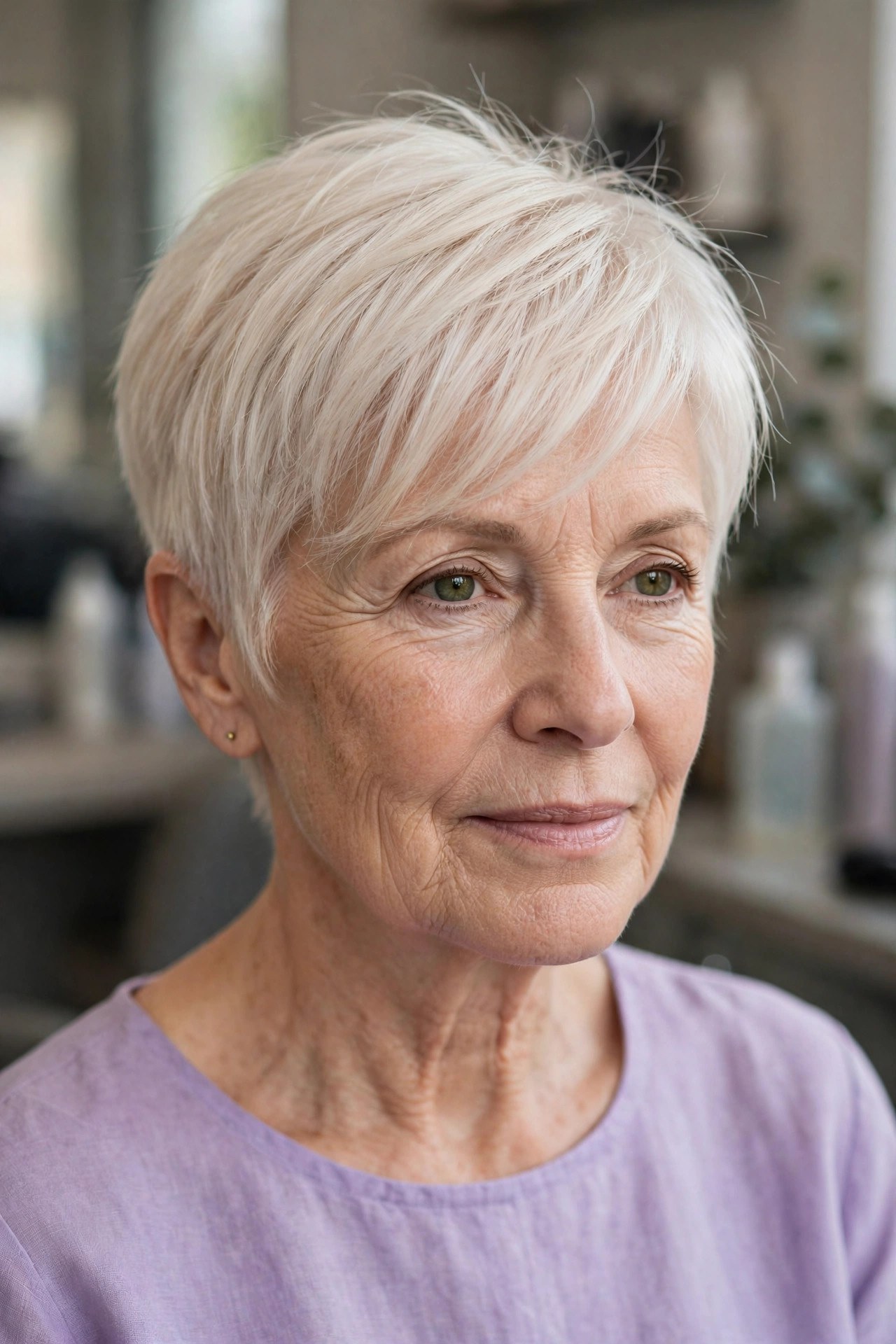
Graduation builds weight and shape into the back of a pixie while the front stays long enough to sweep across the forehead in a flattering diagonal. That long front section does double duty — it softens the face and covers a receding or thinning hairline more effectively than any short fringe.
It is also the most versatile short cut here: wear the front swept smooth for a sleek look, or piece it out with putty for texture. A mini flat iron is perfect for redirecting the longer front on humid days. Ask your stylist to keep the graduation soft so the back looks full rather than stacked and severe.
17. Collarbone Cut with Blunt Ends and a Soft Bend
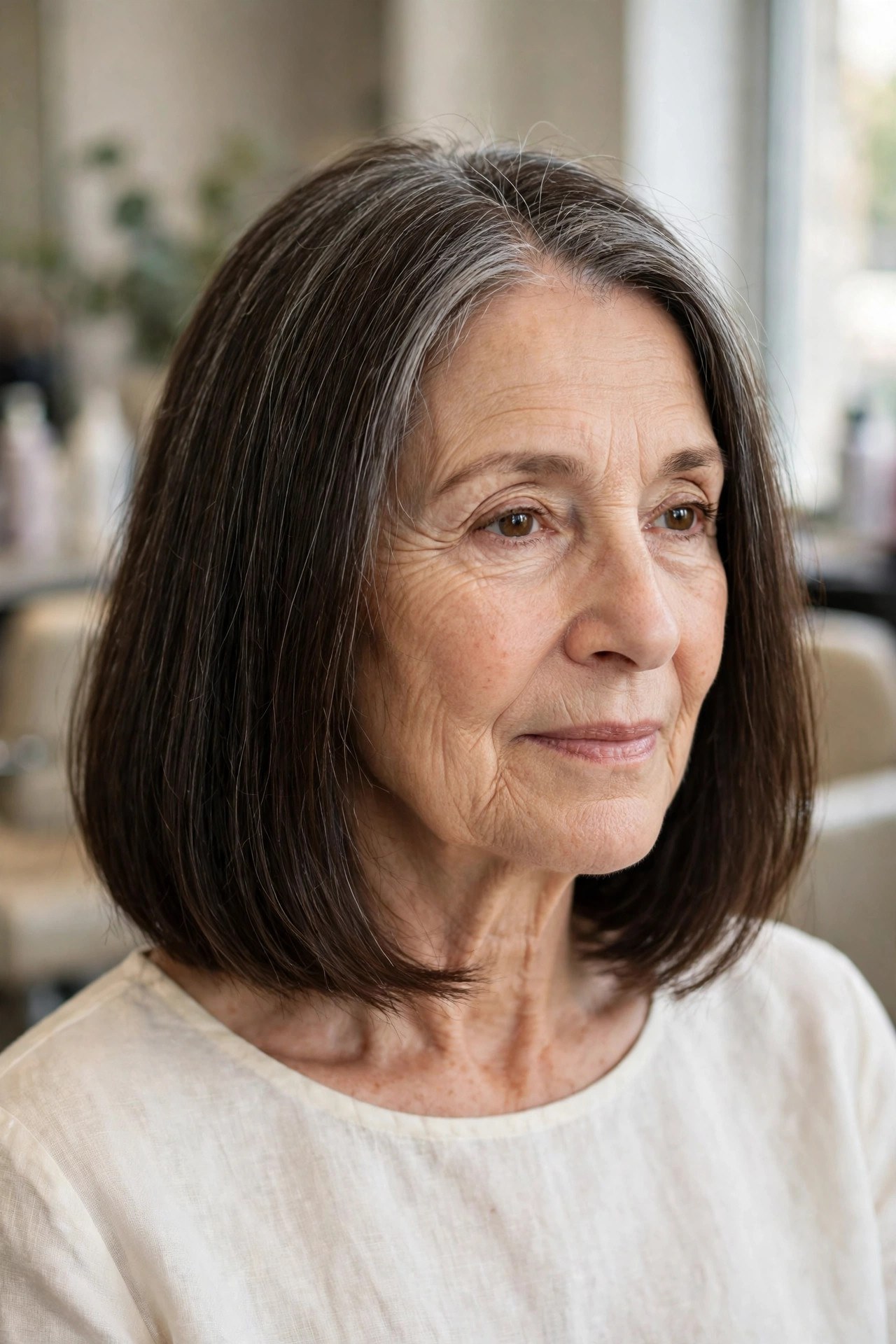
If layers have betrayed you before — leaving your ends looking thinner than when you started — this is your cut. One length, blunt ends, collarbone length: maximum density in the perimeter. The styling trick is a single soft bend through the mid-lengths, which adds the suggestion of body while the ends stay reassuringly thick.
Create the bend with a flat iron used sparingly: clamp mid-length, rotate a quarter turn, and glide. Always use a volumizing foam first so the hair has grip and does not fall flat by noon. This cut is also a lovely canvas for gray blending, since the unbroken surface shows off dimensional color beautifully.

18. Layered Bob with Balayage Dimension
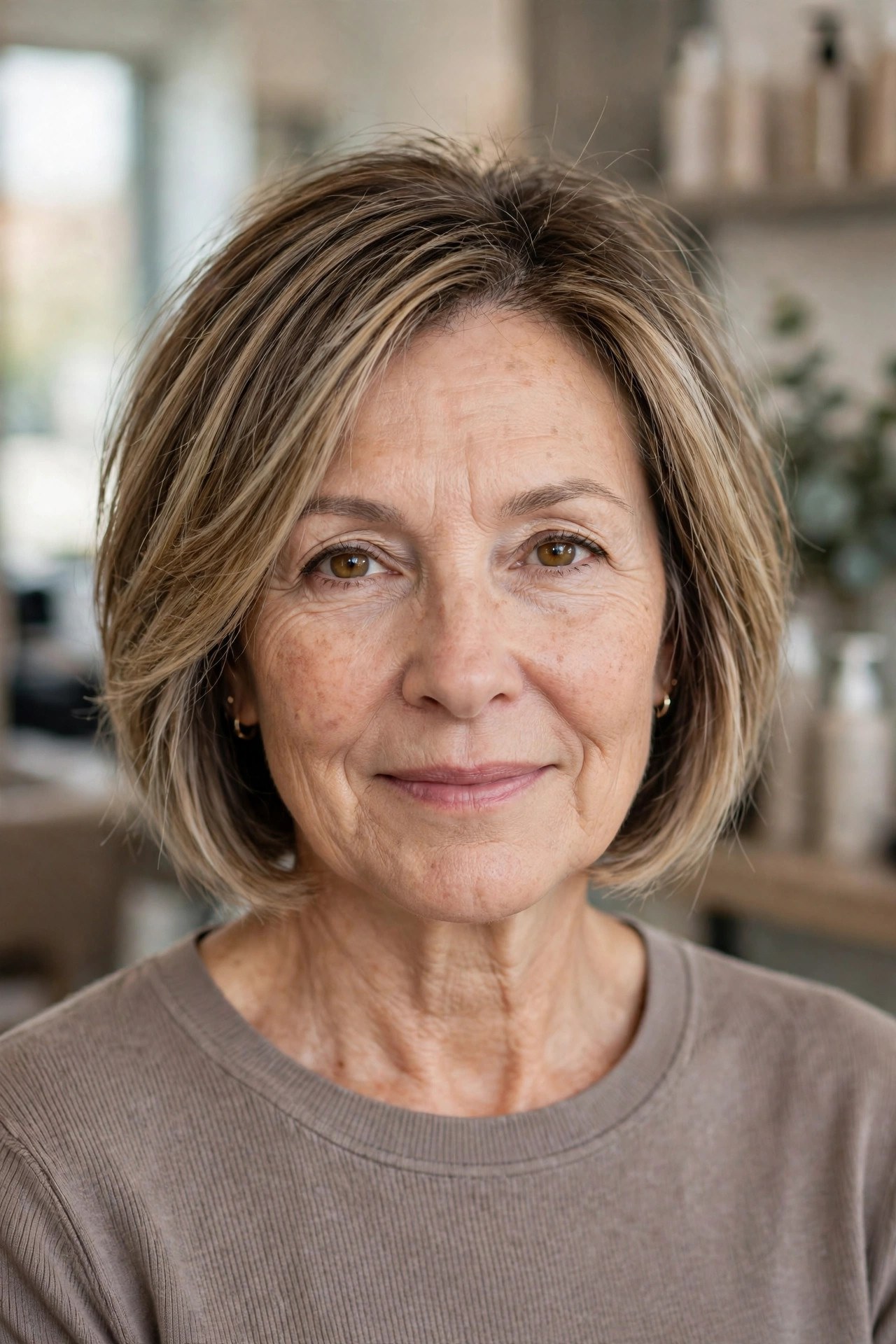
Balayage — hand-painted, sun-kissed lightness concentrated toward the ends — creates a gradient of color that makes a layered bob look deep and dimensional. The darker root area reads as shadow (and shadow reads as thickness), while the lighter ends draw the eye to the full perimeter of the cut.
Because balayage grows out softly with no harsh line, it suits women who color every three to four months rather than every six weeks. Style with a round brush for a smooth finish, and always use a heat protectant on lightened fine hair, which is more fragile than uncolored strands. Ask for the lightest pieces around the face for a brightening effect.

19. Airy Curly Bob for Fine Natural Curls

Fine curly hair is often cut like straight hair — and then wonders why it looks thin. A curly bob cut dry, curl by curl, keeps each ringlet at a similar length so the curls stack into a rounded, full shape instead of separating into sparse strings. Chin to jaw length is the sweet spot where fine curls still have spring.
Enhance rather than fight the curl: scrunch a sea salt or texture spray through wet hair and let it air-dry, touching it as little as possible. Sleep on a satin pillowcase to stop the delicate curls from frizzing and flattening overnight. If your curls are actually waves, this same rounded shape works with a diffuser on low heat.

20. Sleek Tapered Pixie with a Lifted Top
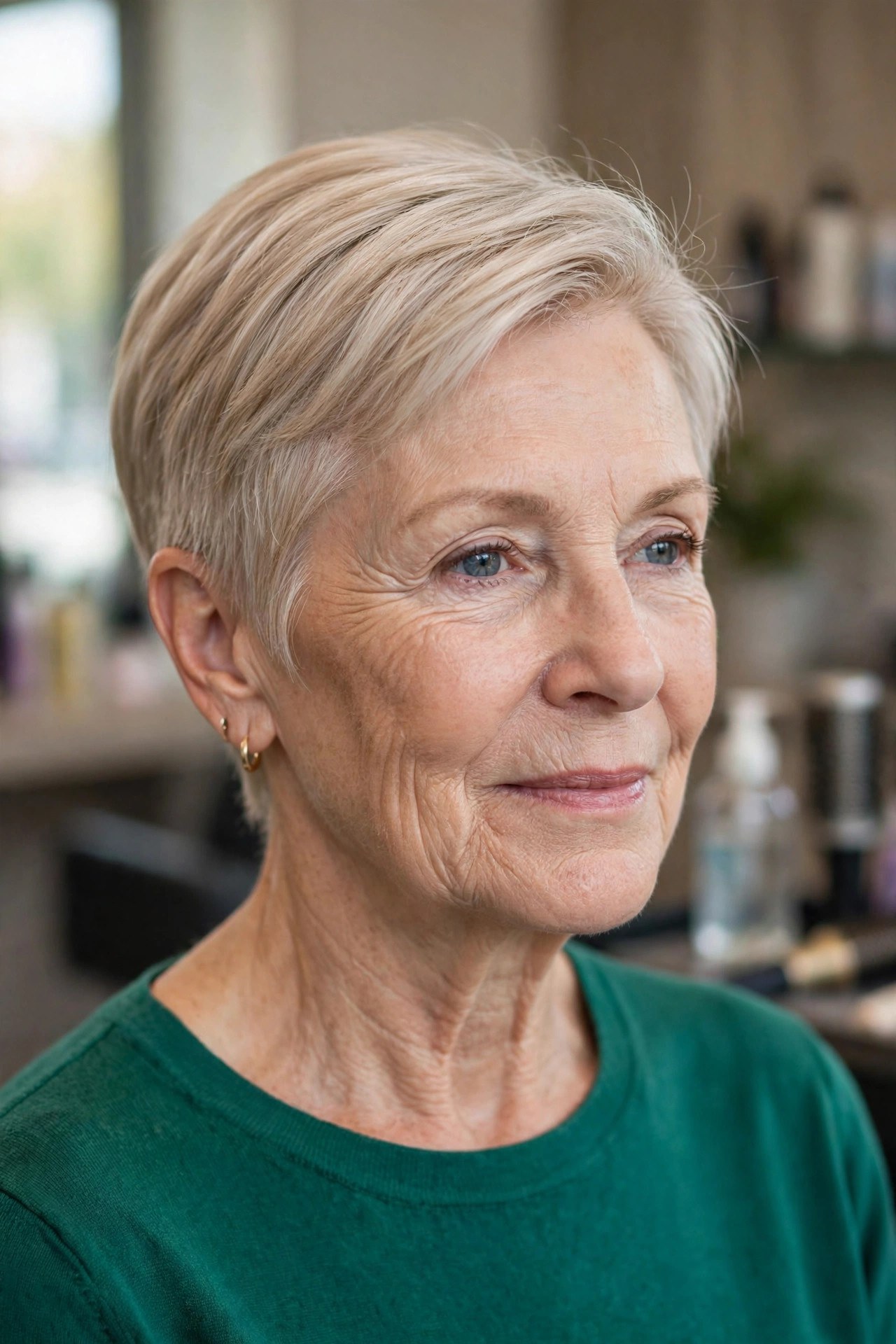
Our final style proves that ‘sleek’ and ‘full’ are not opposites. A tapered pixie with close, neat sides and a longer, lifted top creates a strong vertical line — and height is the most convincing illusion of density there is. The smooth finish looks intentional and elegant, never flat, because the lift is built into the cut itself.
Dry the top up and slightly back with a small brush, then smooth a single drop of light serum over the surface for shine — sparingly, and never at the roots. This cut is kind to oval and heart-shaped faces and needs only a four-week tidy to stay sharp. It is proof that fine hair, cut precisely, needs very little help to look abundant.

Recommended Products
These are the workhorses behind almost every style above: featherweight volume at the roots, gentle texture through the lengths, and tools that lift without frying fine strands. A little goes a long way — on fine hair, overloading product is the fastest route back to flat.
- Apply volumizing mousse or root spray to damp roots only — never heavy oils at the scalp.
- Blow-dry the crown in the opposite direction first, then flip it over for lasting lift.
- Use conditioner from mid-lengths down, and rinse well; residue weighs fine hair down fast.
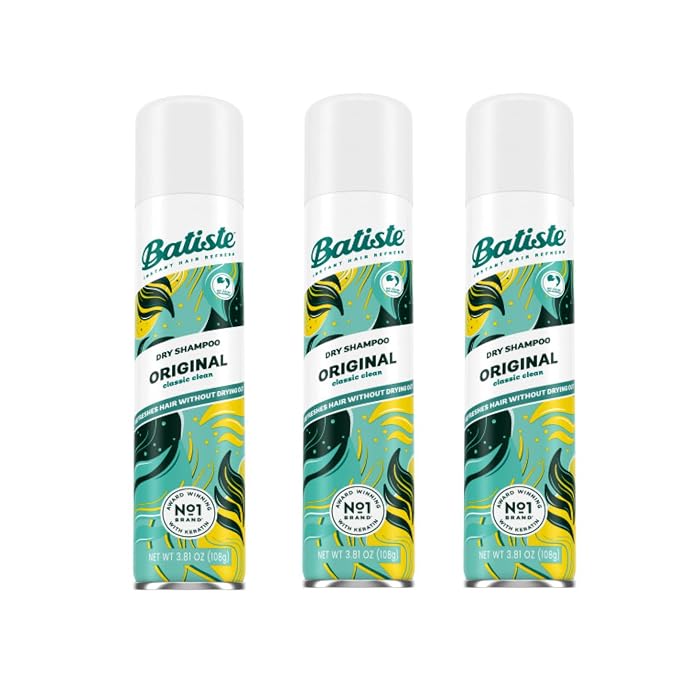
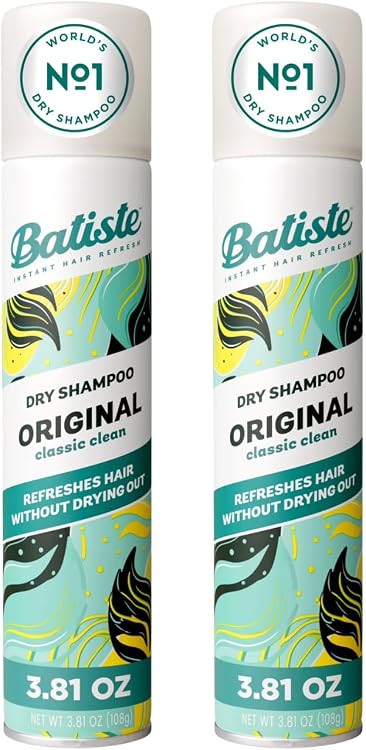
- Refresh second-day roots with dry shampoo before bed so it absorbs oil overnight.
- Trim every 5–7 weeks — thin, split ends instantly make fine hair look thinner.
- Use heat protectant before any hot tool; fine strands damage (and thin) easily.
Frequently Asked Questions
What hairstyle makes fine hair look the fullest after 50?
Blunt and graduated shapes work best: a chin-length blunt bob, a stacked bob, or a textured pixie. These cuts concentrate the hair into a strong outline and build lift at the crown, which is what the eye reads as fullness. Very long, heavily layered cuts do the opposite.
Should fine hair over 50 be cut in layers?
Yes — but sparingly. A few long, soft layers add movement, while lots of short layers remove density and leave the ends see-through. Ask your stylist for ‘surface layers only’ or long layers, and keep the perimeter blunt so the bottom edge still looks thick.
Do bangs work on fine hair?
They do, if you choose the right kind. Side-swept bangs, curtain bangs and textured fringes borrow hair cleverly and can disguise a thinning hairline. A short, blunt, full fringe is the risky option on fine hair because it can separate and look sparse by midday.
Can color really make fine hair look thicker?
Yes. Fine highlights, lowlights or balayage create light-and-shadow contrast, and that dimension makes hair look deeper and denser than a flat, single tone. Keep the contrast subtle and blended — harsh stripes have the opposite effect.
How often should I trim fine hair to keep it looking full?
Every five to seven weeks is ideal. Fine strands split and fray faster than coarse hair, and frayed ends look wispy and thin. A small, regular trim keeps the ends blunt and the whole style looking denser.
What products should I avoid on fine hair?
Heavy oils, thick creams and silicone-rich serums applied near the roots will collapse fine hair within hours. Choose mousses, root-lift sprays and dry texture products instead, and use any serum as a single drop on the ends only.
Fine hair does not need to be fought — it needs to be framed. Pick the shape that solves your biggest frustration, whether that is a flat crown, wispy ends or a shy hairline, and let the cut do the work that products alone never could. Take your favorite photos from this list to your stylist, talk through the maintenance honestly, and enjoy hair that finally looks as full as you feel.