Layered Bob Ideas for Round Faces Over 60
This post contains affiliate links. As an Amazon associate, I earn from qualifying purchases. I only recommend products that are of high quality and that I would use myself.
A round face and a bob can be a difficult pairing — get it wrong and the wrong bob is a perfect circle sitting on top of another one, making your face look wider than it is. But get the layering right and the bob becomes one of the most flattering cuts there is after 60: longer front pieces draw the eye down, crown layers build height instead of width, and a side part or a diagonal fringe breaks up the roundness with an angle.
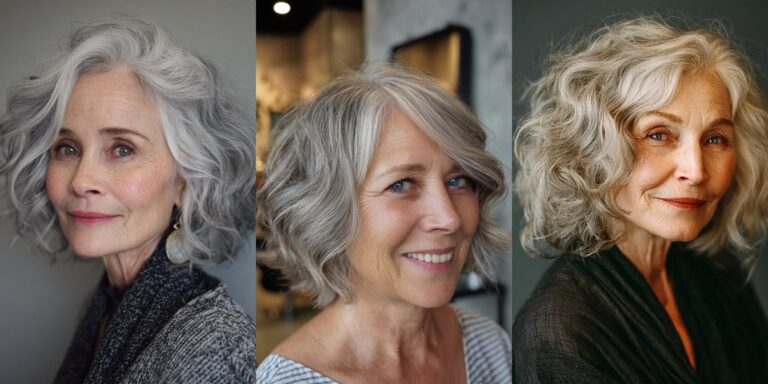
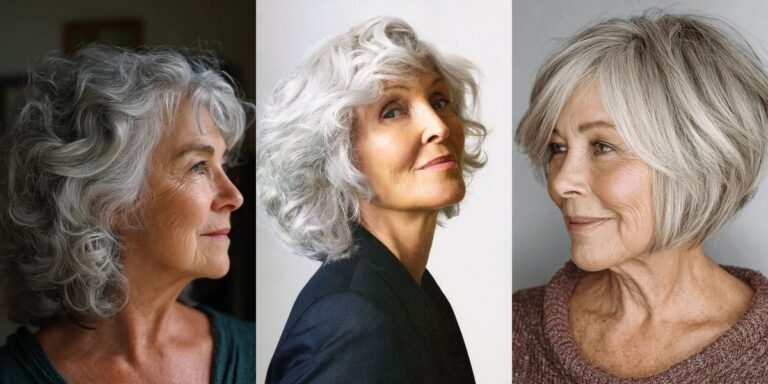
Below are 20 layered bob ideas chosen specifically for round faces over 60. Every one of them uses its layers to add length — no cheek-level bulk, no wide rounded shapes, no blunt curtains. If you are still confirming your face shape before you commit, the Over-50 twin of this guide, hairstyles for round faces over 50 that slim and lengthen, walks through the same principles from a slightly younger angle.
Table of Contents
- 1. Classic Long-Front Layered Bob with a Deep Side Part
- 2. Asymmetrical Layered Bob with One Longer Side
- 3. A-Line Layered Bob with Lifted Crown Layers
- 4. Feathered Layered Bob with a Side-Swept Fringe
- 5. Textured Layered Bob with Long Face-Framing Layers
- 6. Silver Layered Bob with Stacked Crown Layers
- 7. Wavy Layered Bob with Vertical Layers
- 8. Layered Lob with Curtain Bangs
- 9. Choppy Layered Bob with Point-Cut Ends
- 10. Layered Bob with Wispy Side-Swept Bangs
- 11. Inverted Layered Bob with a Long Angled Front
- 12. Collarbone Layered Lob with a Side Part
- 13. Layered Bob with Face-Framing Highlights
- 14. Long-Layer Bob for Fine Hair
- 15. Interior-Layer Bob for Thick Hair
- 16. Curly Layered Bob, Cut Short and Stacked
- 17. Sleek Layered Bob with Angled Fronts
- 18. Feathered-Crown Bob with Tapered Sides
- 19. Salt-and-Pepper Layered Bob with Crown Height
- 20. Airy Wash-and-Go Layered Bob
- Recommended Products
- FAQs
- Length at the front: the longest pieces should fall below the chin (ideas 1, 11, 17).
- Height on top: crown or stacked layers move volume up, not out (ideas 3, 6, 18).
- A diagonal somewhere: deep side part, sweeping fringe or asymmetry (ideas 2, 4, 10).
- Slim sides: tapered, interior or vertical layers keep cheeks from looking wider (ideas 7, 15, 16).
- Fine hair? Long layers only, over a blunt base (idea 14). Thick hair? Interior layers (idea 15).
1. Classic Long-Front Layered Bob with a Deep Side Part
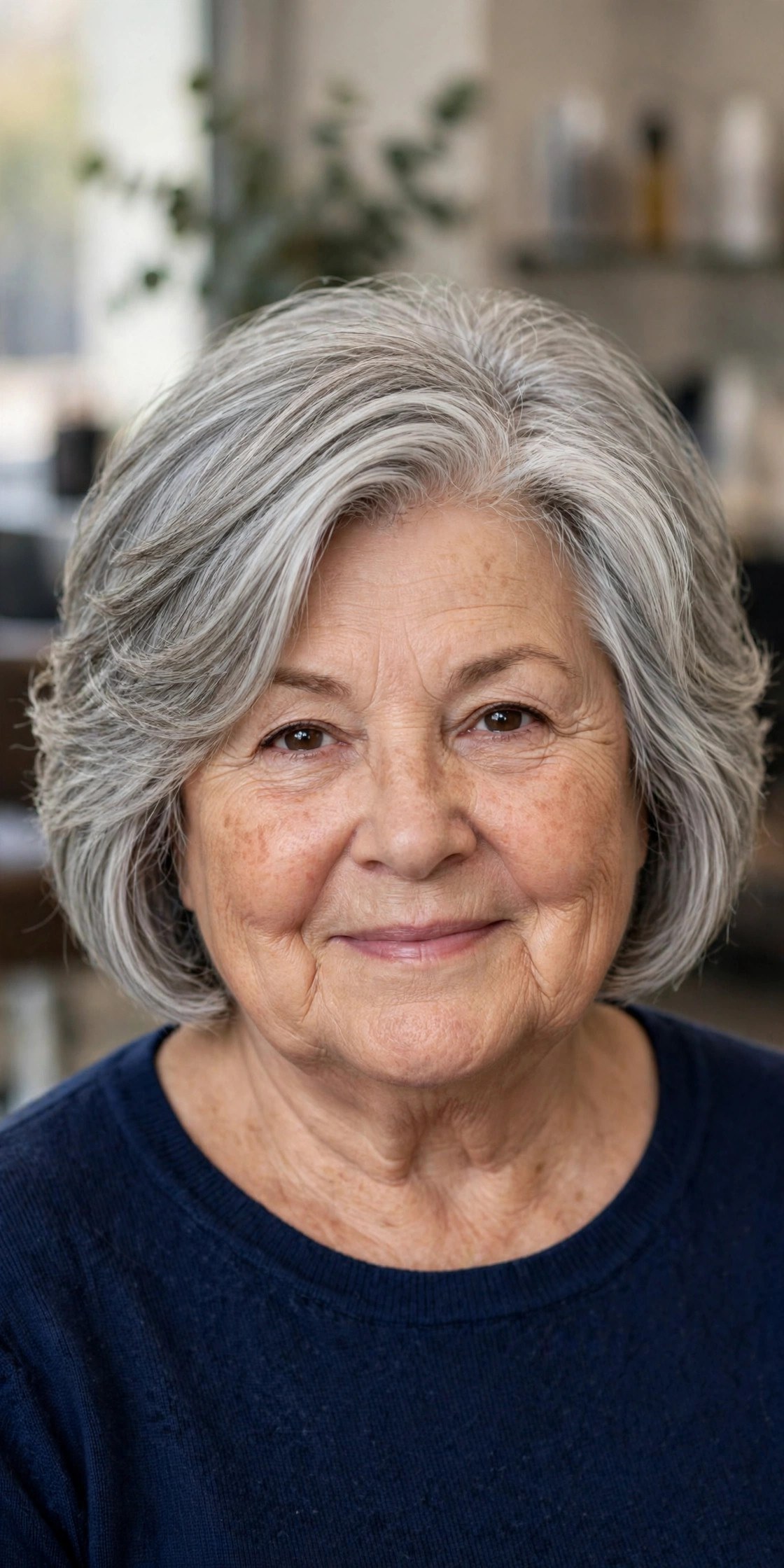
Start with the shape that does the most work for a round face: a bob whose front pieces are deliberately the longest part of the cut. The back sits at the jaw, the fronts travel down past the chin, and layers through the crown and mid-lengths stop the sides from puffing out at cheek level — the exact spot where a round face is widest and where a blunt bob adds even more width.
The deep side part is not decoration here. It builds height on the heavy side and draws a long diagonal across the forehead, which together make the face read longer. Dry the crown up and over while the hair is damp, because mature hair sets where it dries, and keep a volumizing mousse at the roots rather than through the ends so the long fronts stay smooth and swingy.


2. Asymmetrical Layered Bob with One Longer Side
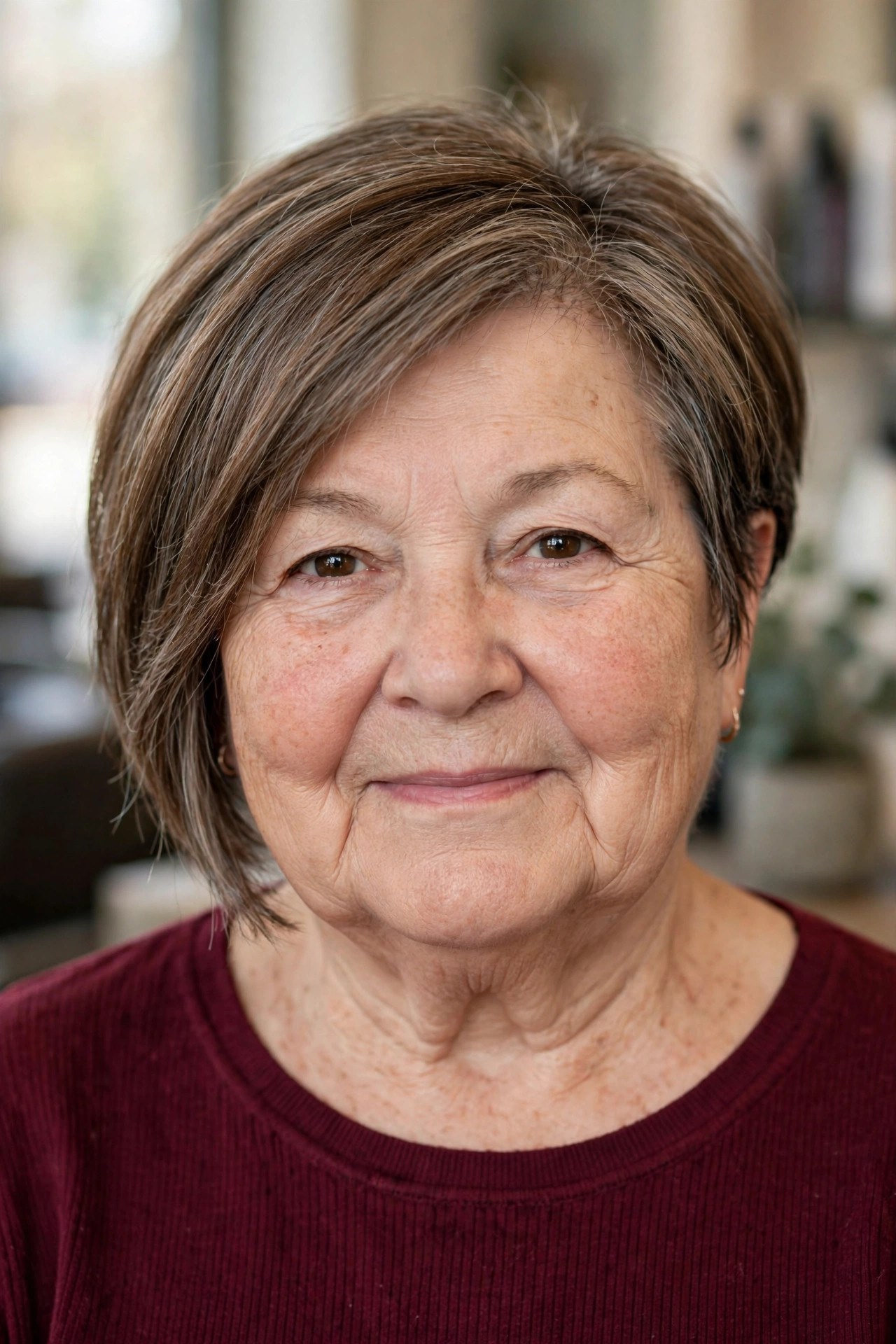
Asymmetry is a round face’s shortcut to angles. One side of this bob is left longer at the chin while the other is cut a touch shorter and tucked closer, so the outline is never a perfect, face-widening curve. The eye follows the diagonal instead of the circle, and the layered surface keeps the longer side from looking heavy.
Tell your stylist you want the difference visible but wearable — about an inch between sides is plenty. Style it with the shorter side smoothed back and the longer side left to fall forward; that contrast is the whole design. A pea-sized amount of texturizing putty through the longer front stops it separating into strings by midday.


3. A-Line Layered Bob with Lifted Crown Layers
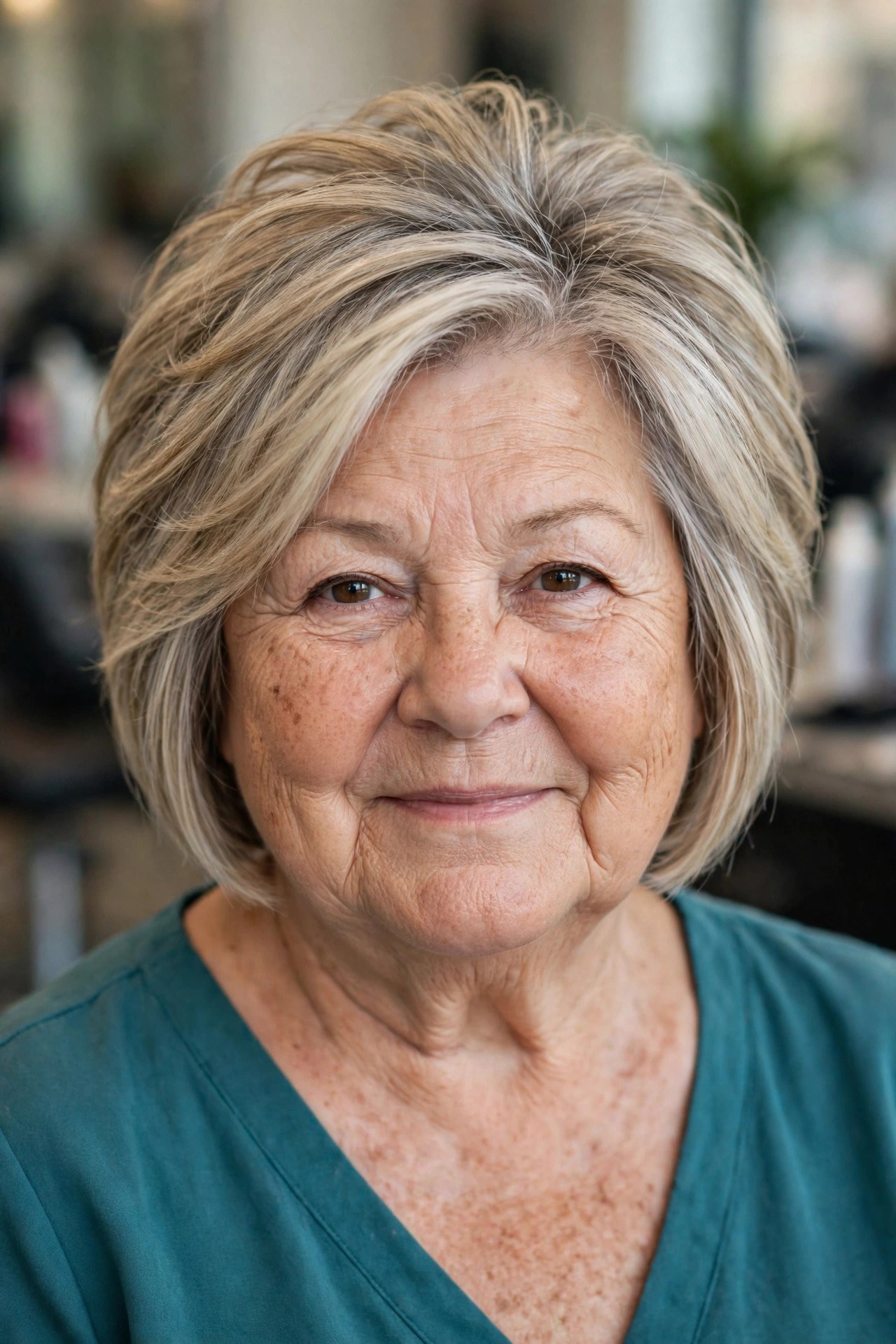
An A-line bob travels shorter at the back and longer at the front, and for a round face that forward slope is pure strategy: length is added exactly where you want the eye to travel — down and forward — instead of out at the cheeks. Short lifted layers at the crown finish the job, giving the silhouette height at the top rather than width at the sides.
This is a precision shape, so it rewards regular trims every six weeks before the back grows out and the angle softens. At home, blow-dry the crown sections up and forward with a round brush and let the fronts fall naturally. If your hair is fine, mousse at the crown only; product through the fronts will collapse the clean line.


4. Feathered Layered Bob with a Side-Swept Fringe
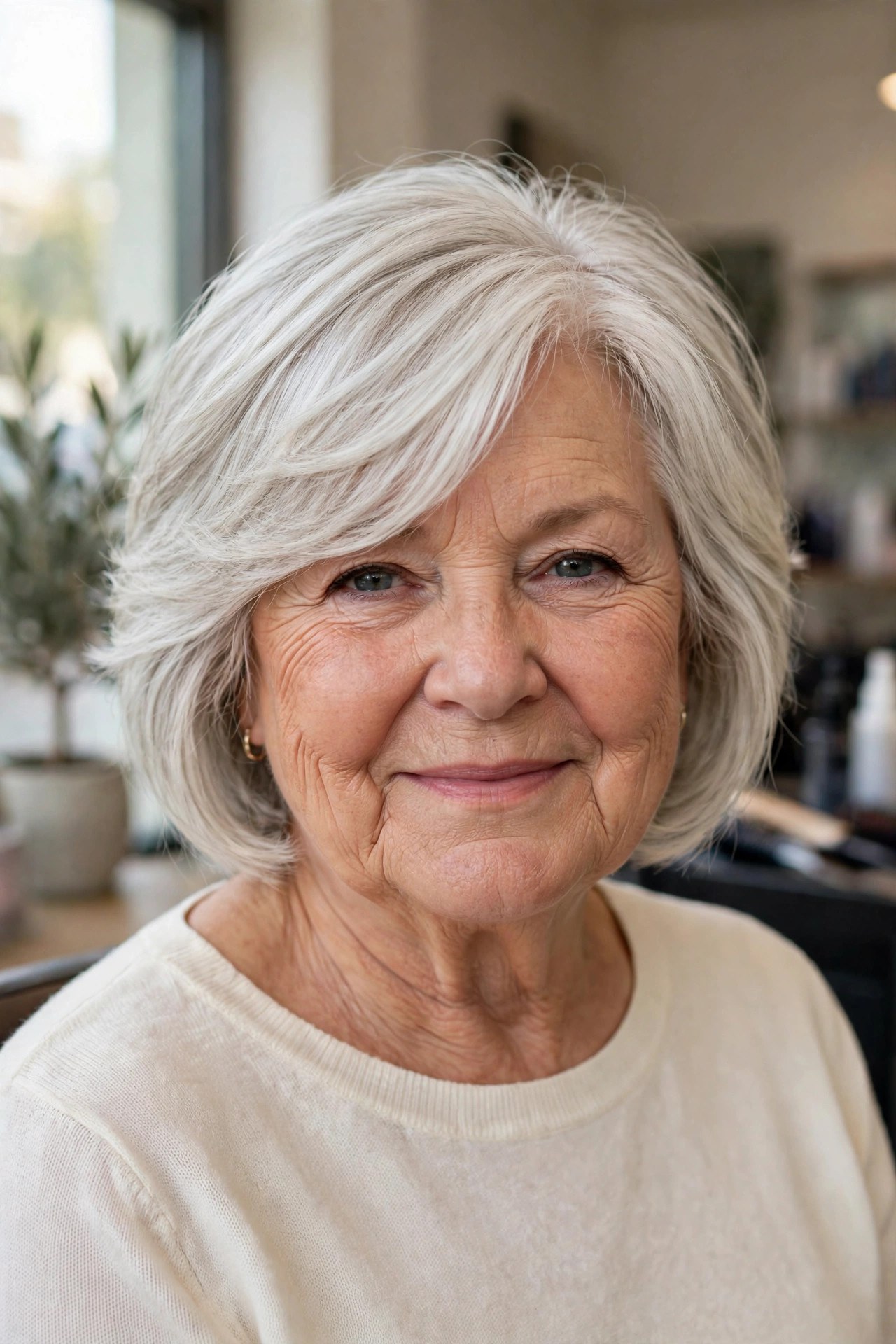
Feathering brushes fine layers back and away from the face, and on silver hair it looks especially soft — each layer overlaps the next and catches the light at a slightly different angle. The long fringe sweeps diagonally across the forehead instead of cutting it straight across, which matters on a round face: a straight fringe shortens, a diagonal one lengthens.
Feathered layers suit straight to slightly wavy hair that goes flat by lunchtime, because the cut itself holds the lift. Dry everything up and back with a round brush and let the ends settle where they land. Keep the silver bright with a weekly purple shampoo; feathering only reads as feathering when the tone stays clean.

5. Textured Layered Bob with Long Face-Framing Layers
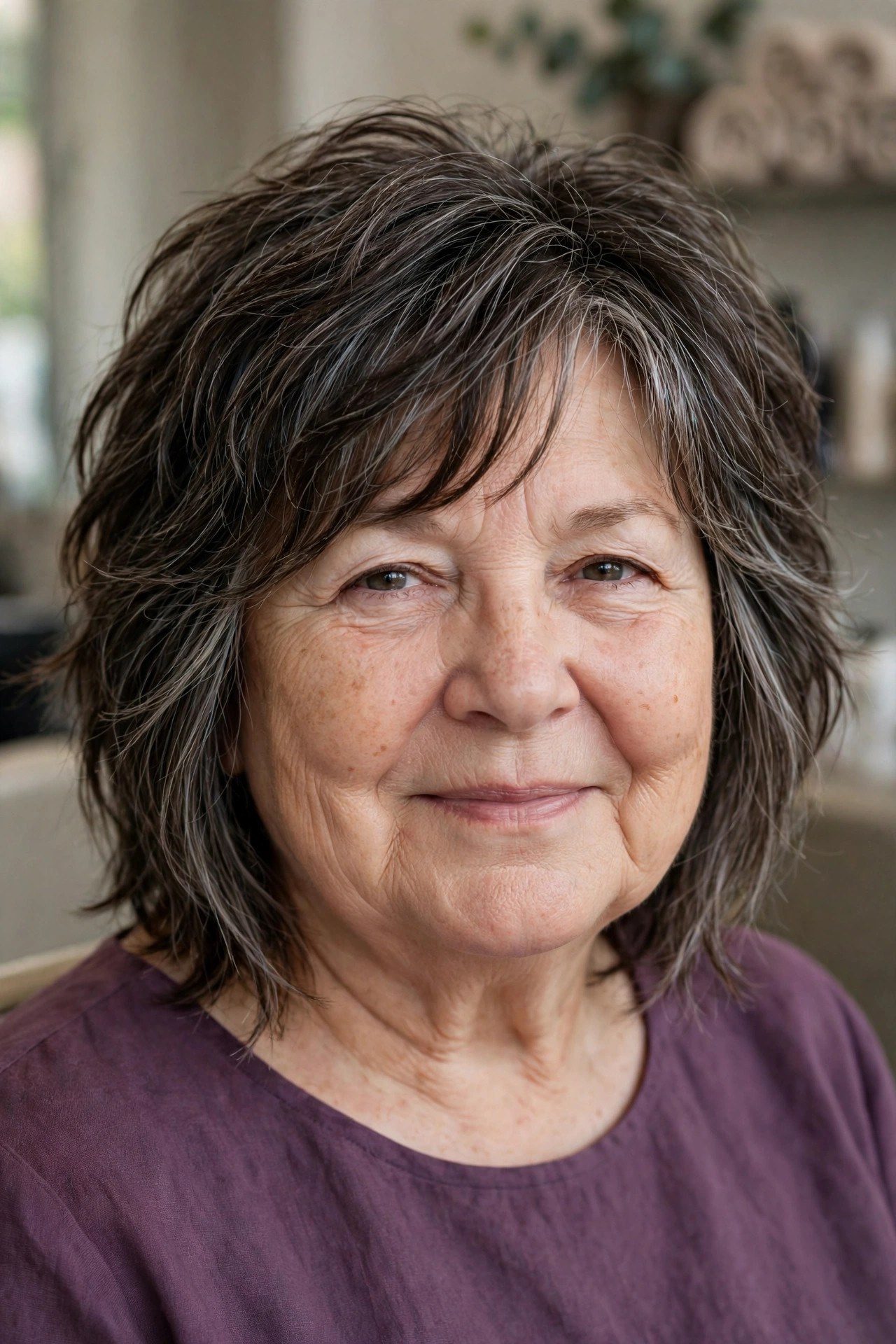
Here the layering is deliberately uneven — shaggy, separated pieces through the crown and sides, with two long face-framing layers left to fall well below the chin. That broken surface is kind to a round face in two ways: it removes the smooth, wide curtain that exaggerates fullness, and the long front pieces draw a vertical line right where the cheeks are fullest.
This cut forgives a lot, including wiry grays that hide happily inside the texture. Work texture spray through damp hair, rough-dry with your fingers, and resist smoothing it — polish is not the point. On day two, dry shampoo at the crown restores the separation without a full restyle.


6. Silver Layered Bob with Stacked Crown Layers
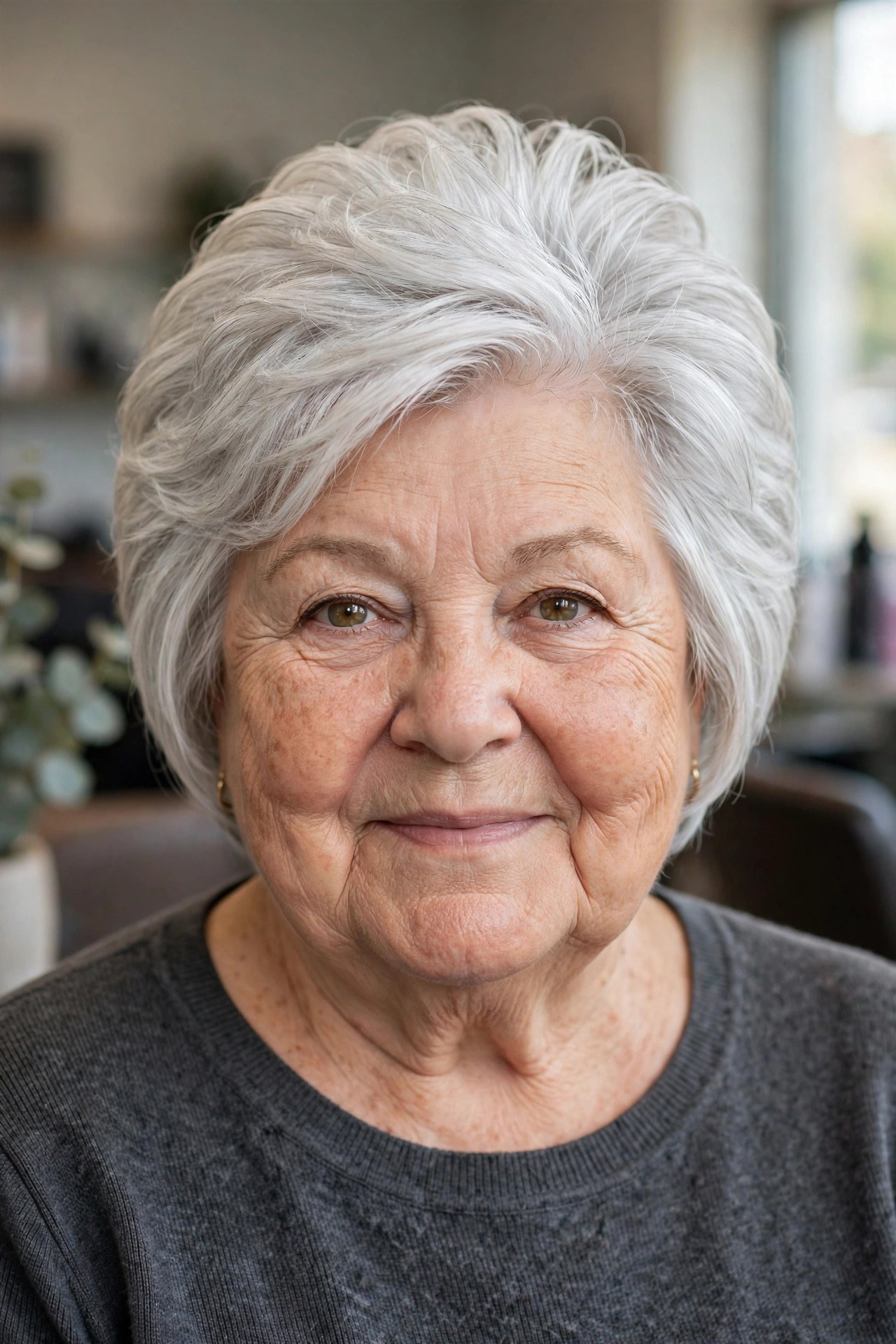
Stacking means the layers at the back and crown are cut shorter and rest on one another, building volume into the structure of the cut itself. From the front this silver bob looks neat and close at the sides — deliberately slim at cheek level — while the height lives on top, which is precisely the trade a round face wants.
Stacked shapes lose their spring first at the crown, so when the top stops holding its curve, book the trim. Keep brassiness out of silver with a purple shampoo once a week, and style the crown by drying it up and forward, against its natural fall. The sides need almost nothing — a quick smooth with your palms.
7. Wavy Layered Bob with Vertical Layers
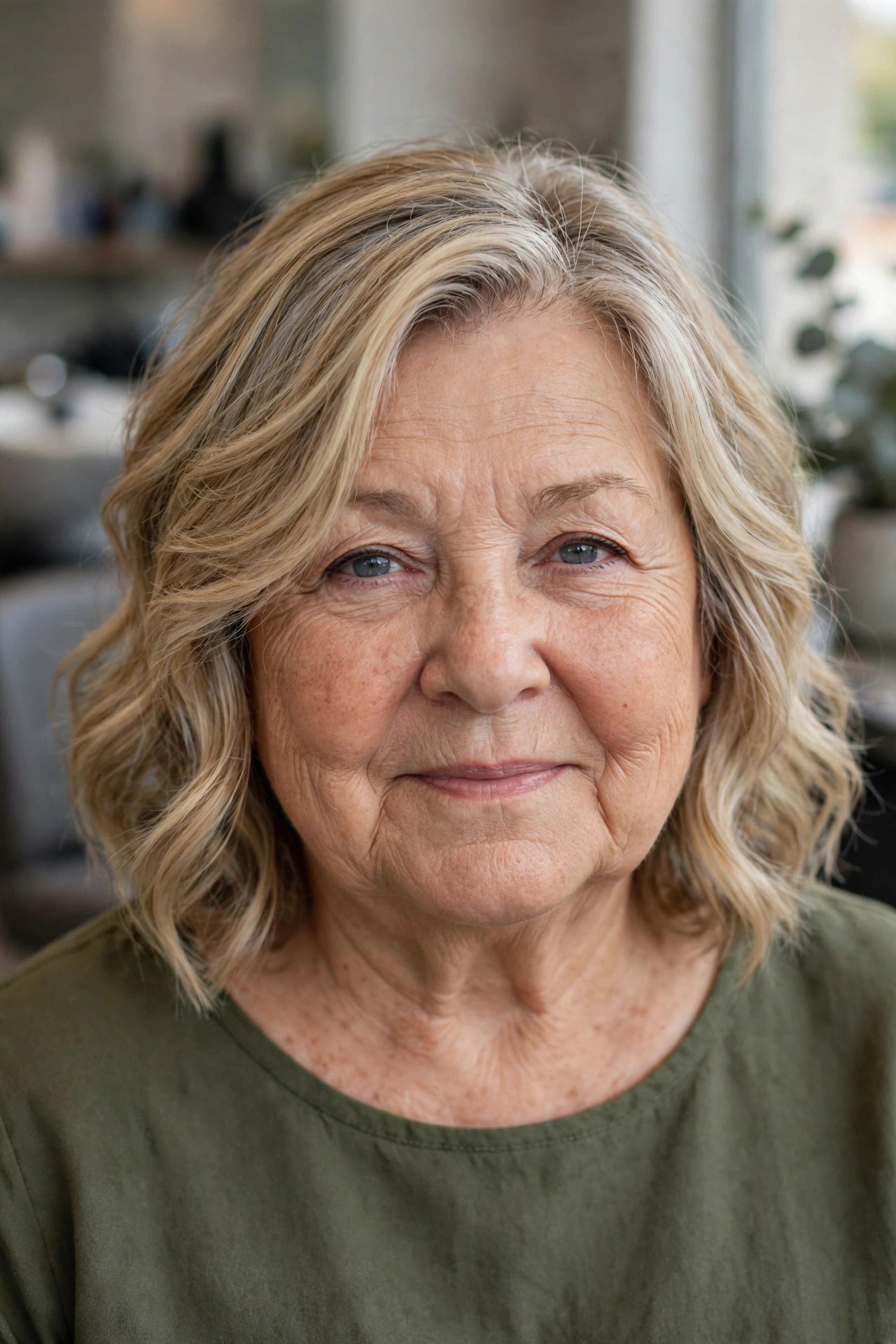
Waves can widen a round face if they bounce out sideways at the cheeks, so this bob is layered vertically: the layers run down the head rather than around it, encouraging the wave to fall in long, loose lengths instead of a wide halo. The side part and longer fronts complete the lengthening effect.
Ask your stylist to layer with your wave pattern, not against it, and to keep the cheek-level sections the longest. At home, scrunch a little sea-salt spray into damp hair and air-dry or diffuse on low, hands off until it is fully dry. Sleeping on satin keeps the vertical fall from frizzing overnight.


8. Layered Lob with Curtain Bangs
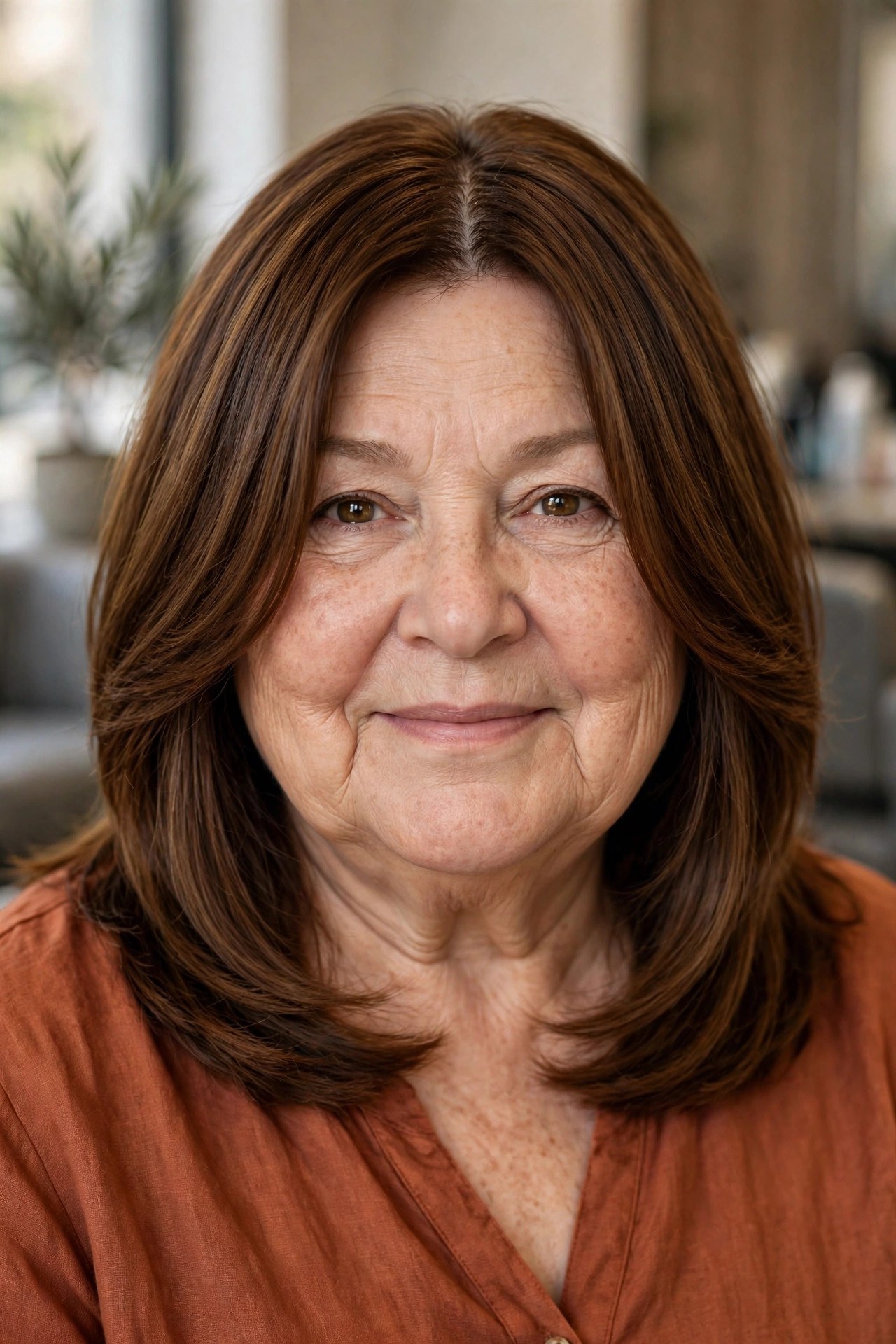
The lob is the longest bob in this guide, resting at the collarbone, and that extra length is itself a round-face tool — the eye travels further down before it stops. Long layers inside the shape give it swing, and curtain bangs part in the center and sweep out to the cheekbones, opening the face vertically instead of framing it in a wide curve.
Curtain bangs need one habit: dry them first, forward and then out to each side, before the rest of the hair sets. The length makes this the easiest bob here to pull into a low clip on busy days. Readers comparing lengths across decades may enjoy our Over-50 guide to bob cuts for round faces for how the same angles are handled a little earlier.


9. Choppy Layered Bob with Point-Cut Ends
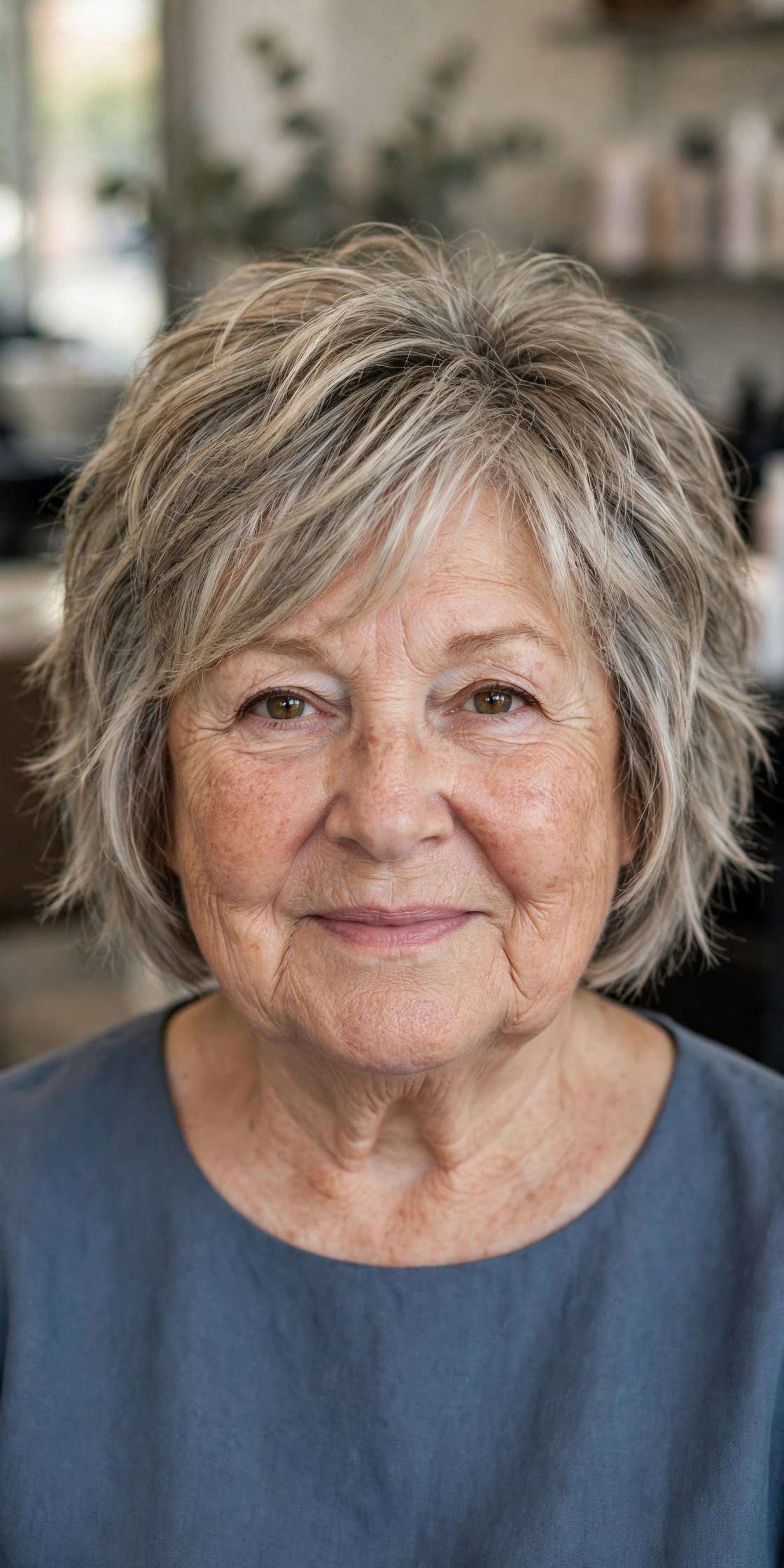
Choppy, point-cut layers break the perimeter of this chin-length bob into separated pieces, and that broken edge is what stops a round face looking wider — there is no single unbroken curve for the eye to follow around the cheeks. The choppiness also fakes thickness on hair that has fined out, because every piecey end casts a tiny shadow of separation.
Restraint is the styling rule: a small amount of texturizing putty pinched through dry ends defines the pieces, and any more clumps them together. The grow-out is kind, since uneven layers still look intentional at week seven. Refresh the crown with dry shampoo rather than restyling the whole head.
10. Layered Bob with Wispy Side-Swept Bangs

A wispy fringe is cut sheer — you can almost see through it — and swept to one side, so it softens the forehead without the hard horizontal line a blunt fringe draws across a round face. It melts into layers on both sides, and the front pieces below the chin keep the whole front of the cut moving in a lengthening direction.
Dry the fringe first, sweeping it side to side so it falls naturally, and expect it to pick up skin oil faster than the rest of your hair — a touch of dry shampoo at the fringe roots separates it again in seconds. This is also a gentle option if your hairline has softened and you would rather style around it than expose it.

11. Inverted Layered Bob with a Long Angled Front
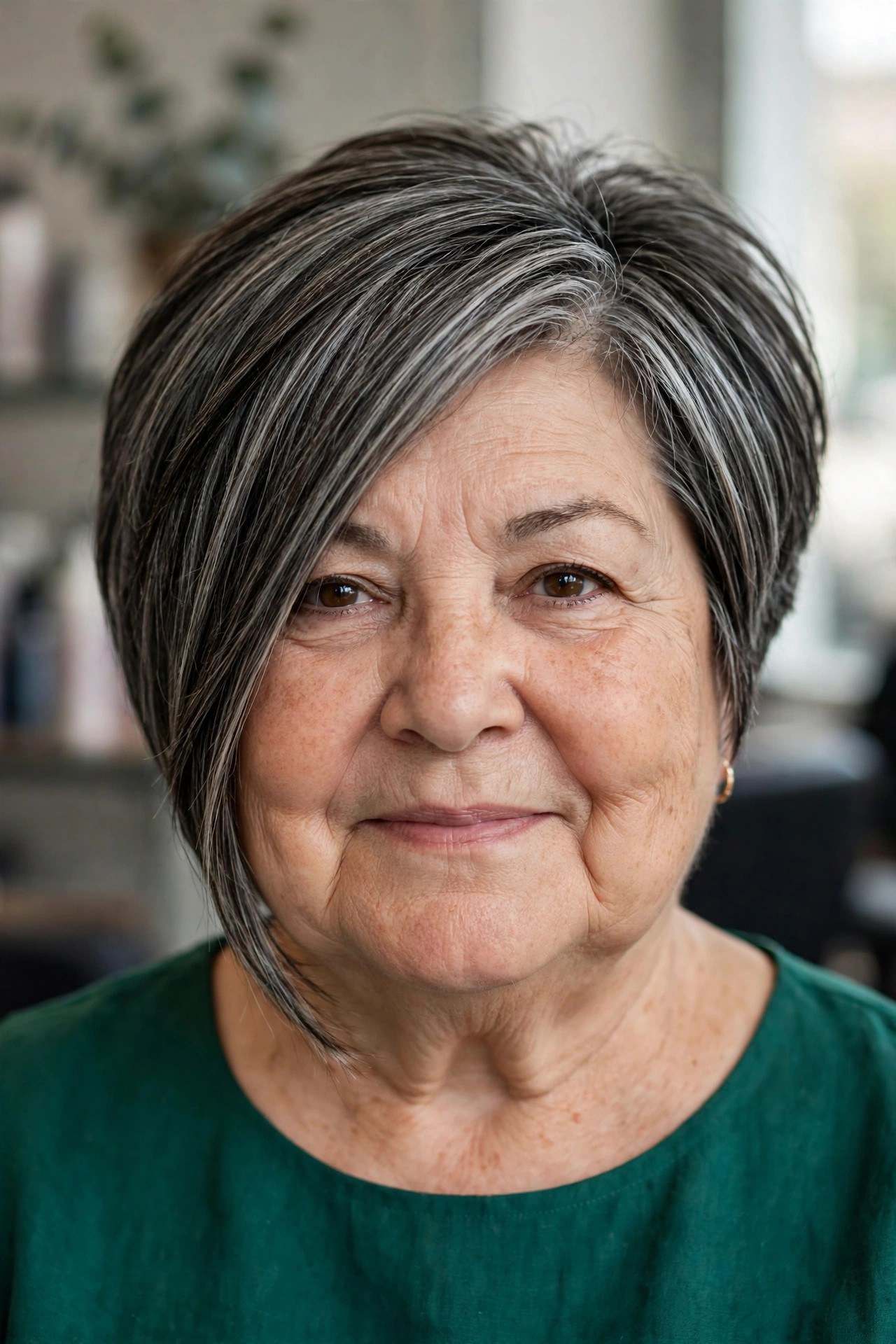
The inverted bob is the most dramatic angle in this guide: short and stacked at the back, travelling forward into one long, sharp front piece that lands well below the chin. That single diagonal does more lengthening work than any other line here, which is why this shape keeps returning for round and fuller faces.
Keep the angle honest with trims every five to six weeks; once the back grows, the diagonal softens into an ordinary bob. A flat iron on the long front only — always over heat protection, on a moderate heat — sharpens the line for occasions. The back needs nothing more than a quick brush-through.


12. Collarbone Layered Lob with a Side Part
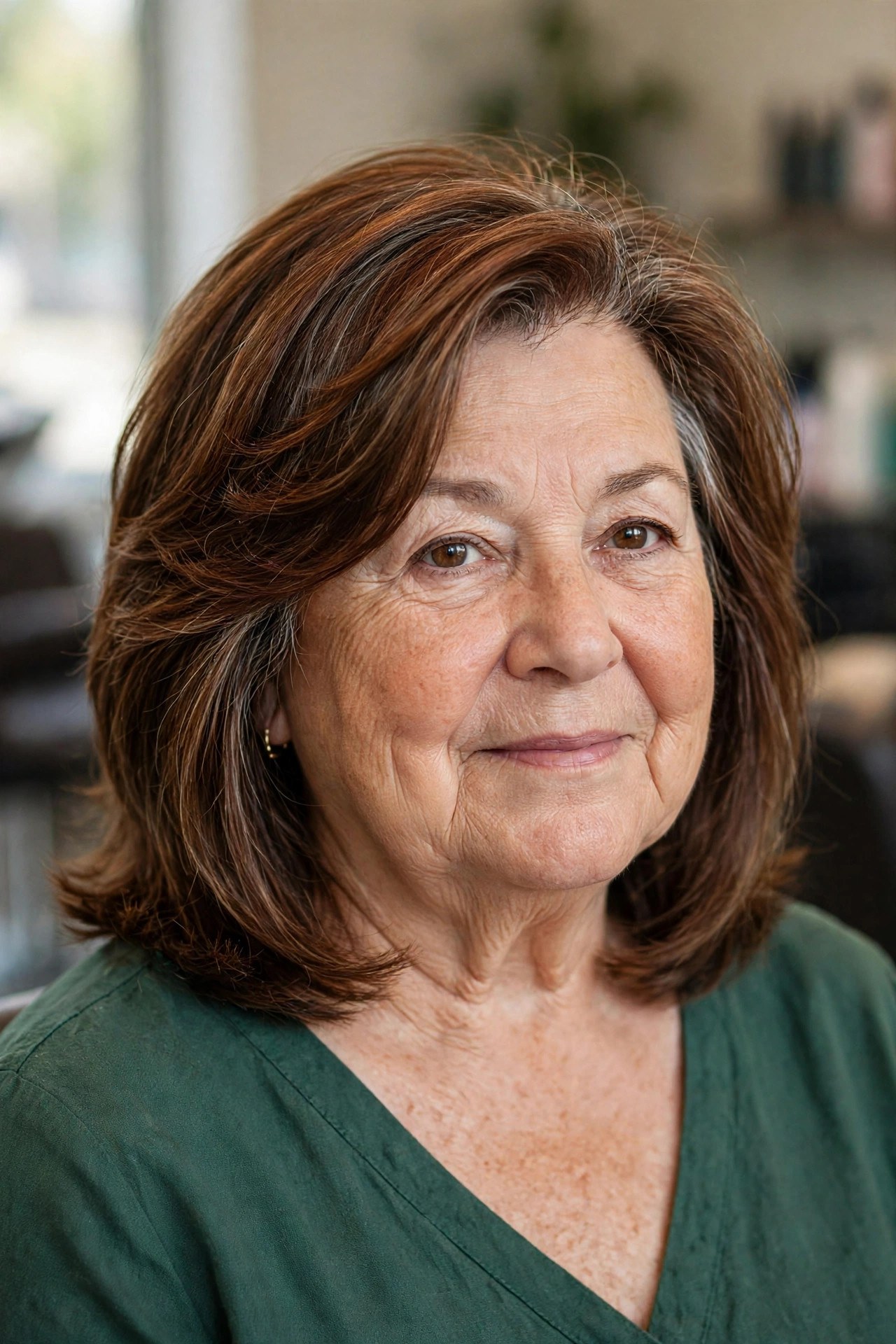
If idea 8’s curtain bangs are not for you, this is the other collarbone option: a clean side part, long layers throughout, and fronts that rest at the collarbone. It is the most polished, grown-up shape in the guide, and the side part keeps the length from reading plain by adding crown height and a diagonal at the hairline.
Because the layers are long, this lob keeps its fullness at the ends — good news if your hair has thinned and short layers make it look sparse. Blow it out with a hot-air styler in sections, lifting at the roots first. Our chin-length bob guide for women over 60 shows the shorter end of the same family if you are torn between the two lengths.

13. Layered Bob with Face-Framing Highlights
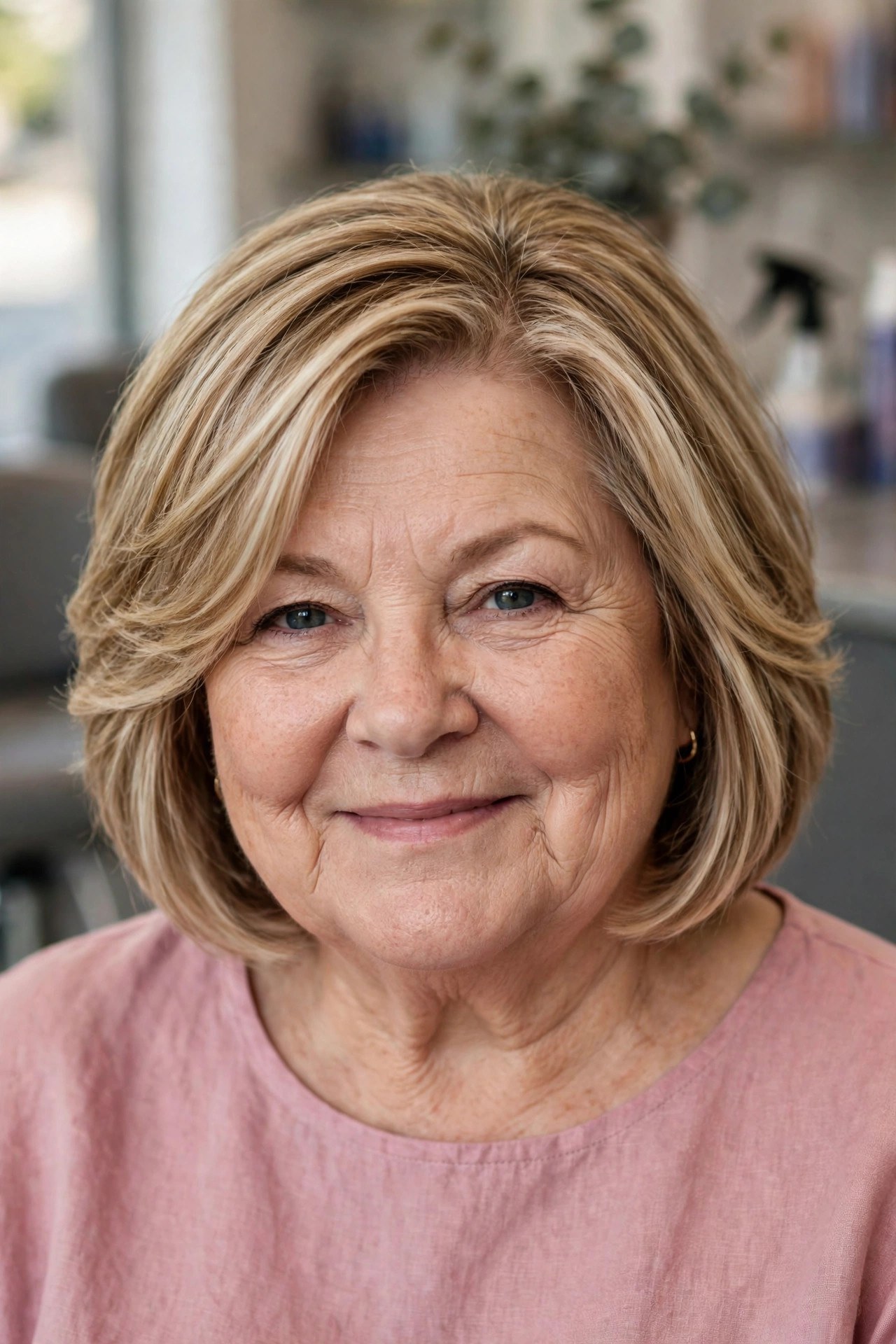
The cut here is a classic chin-length layered bob with a deep side part; the highlights do the framing. Lighter ribbons are woven through exactly the layers that touch the face, so a vertical stripe of brightness runs down each side — and vertical brightness, like vertical layering, makes a round face read longer.
Ask for the lightest pieces at the front and through the top layers, keeping the underneath deeper for contrast. Dimensional color is also a forgiving strategy after 60 because regrowth blends softly instead of showing a hard line. A gloss treatment every few weeks keeps the ribbons shiny rather than brassy.

14. Long-Layer Bob for Fine Hair
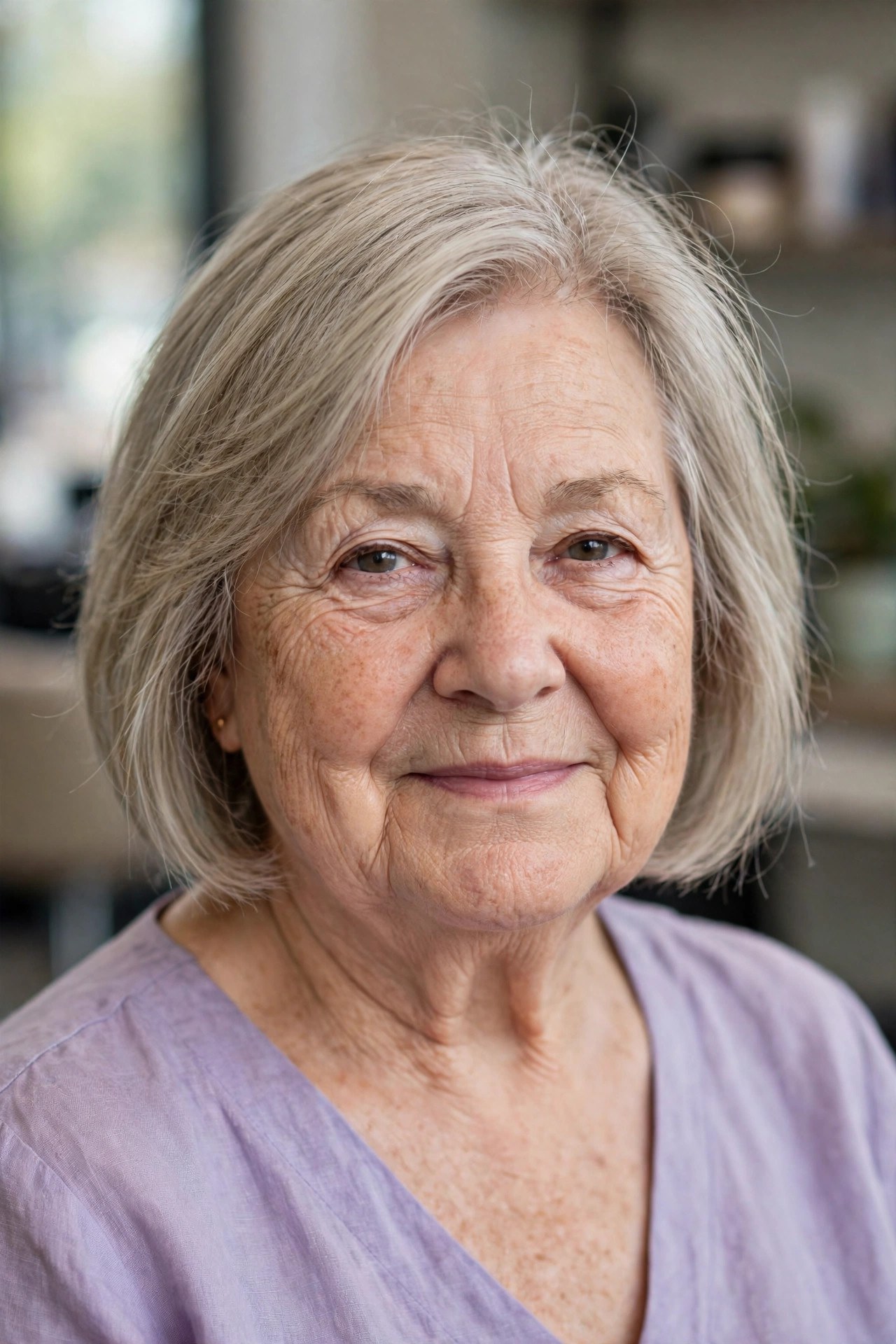
Fine hair changes the layering rules. Plentiful short layers remove so much of a fine head’s limited bulk that the ends turn see-through, so this bob uses the opposite formula: a mostly blunt jaw-length base with just a few long layers starting at the chin. You get movement at the front and crown lift, while the bottom line still reads full.
Everything about styling it is a lightness discipline — volumizing mousse at the roots only, conditioner kept off the crown, and heavy oils skipped entirely. Dry shampoo applied before bed gives fine hair its best second day, absorbing oil while you sleep. A root-boosting brush while drying does more for this cut than any finishing product.

15. Interior-Layer Bob for Thick Hair
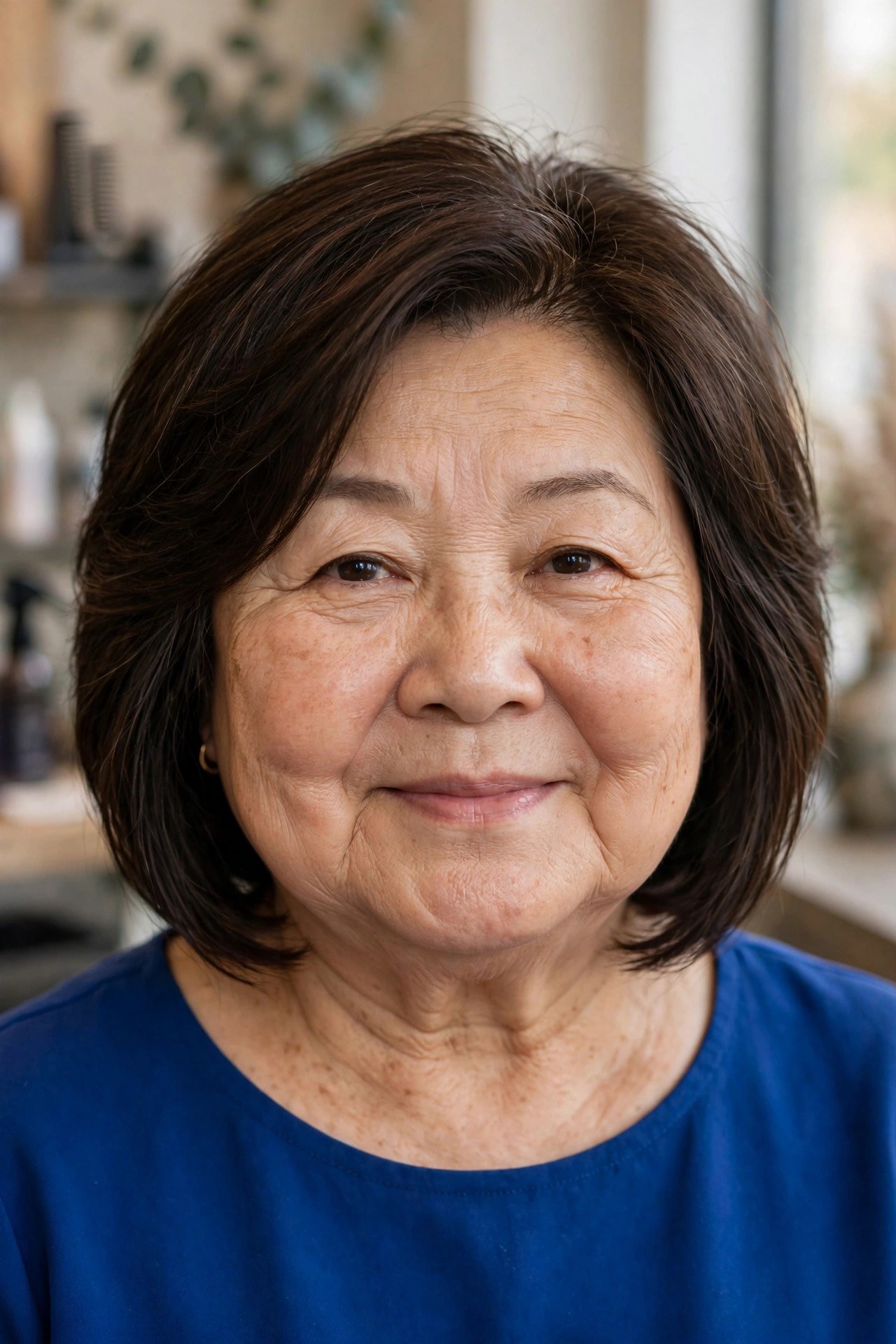
Thick hair in a one-length bob builds a wide triangle at cheek level — the last thing a round face needs. Interior layers are the fix: weight is removed from inside the shape, so the sides lie closer and slimmer while the surface still looks lush. The longer fronts keep the lengthening line that runs through this whole guide.
Ask your stylist to remove weight with interior layers rather than thinning shears over the surface, which can make thick mature hair frizz at the ends. A small amount of anti-frizz serum through the mid-lengths keeps the slimmer silhouette smooth, and washing in two sections helps thick layered hair rinse clean.

16. Curly Layered Bob, Cut Short and Stacked
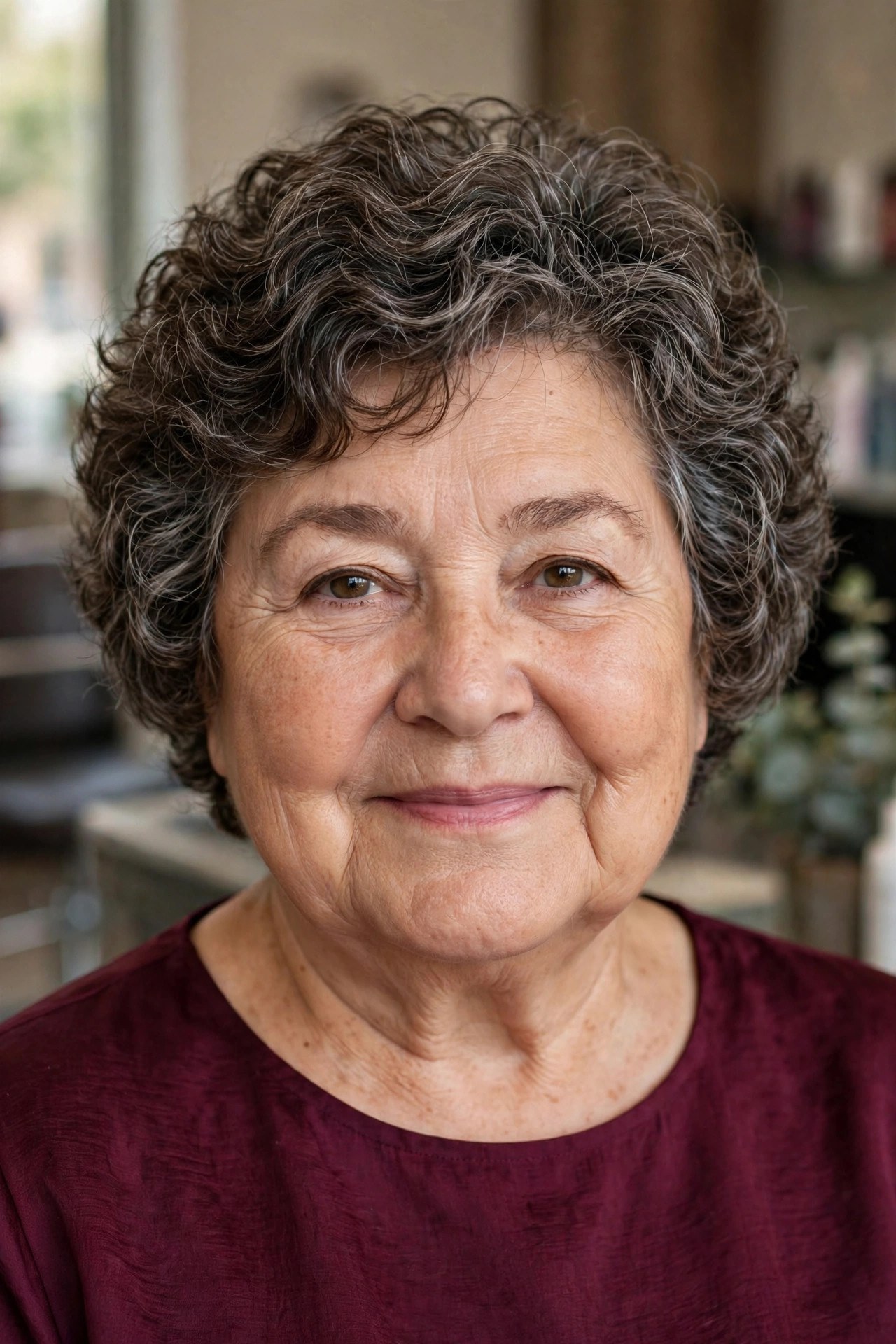
Curly hair and round faces have a shared risk: width. This bob controls it by keeping the curls short, stacked and layered so they build height at the crown and sit close at the sides, instead of springing out into a wide round halo that mirrors the face. Cut dry, the curls land exactly where you see them in the mirror.
Insist on a dry cut or at least a dry finishing check — curls spring up when they dry, and layers cut wet can end far shorter than planned. Define with a leave-in conditioning cream worked through wet hair, then hands off until dry. Gray curls are drier than pigmented ones, so moisture matters more than hold for this shape.


17. Sleek Layered Bob with Angled Fronts
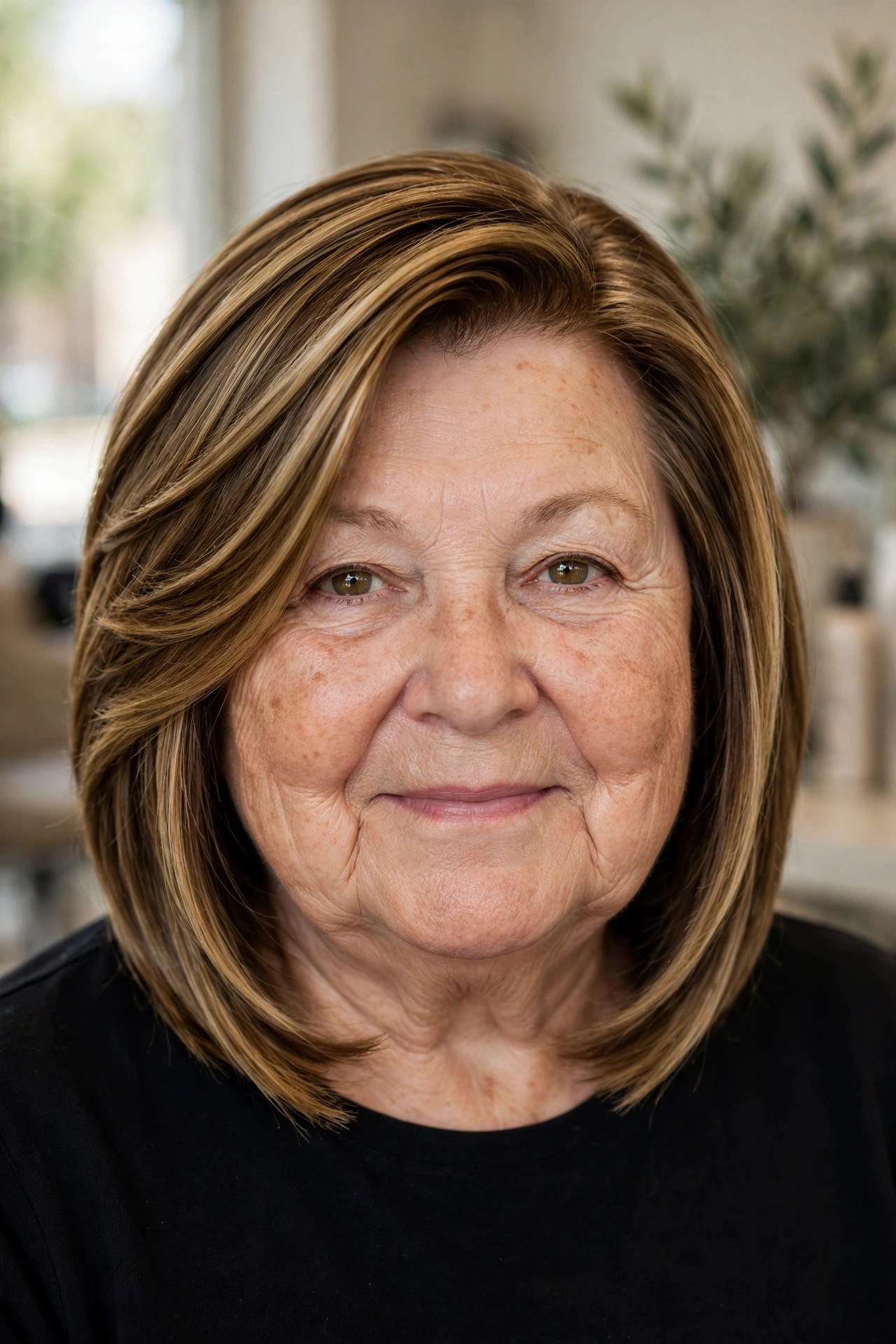
Sleek does not have to mean blunt. Look closely at the edges here: the layers step down in visible lengths toward the front, and those steps are what keep a smooth, glossy bob from becoming a wide, solid curtain around a round face. Angled fronts finish below the chin, polished but never severe.
A mini flat iron is the right tool for the front pieces — one slow, protected pass on moderate heat — rather than ironing the whole head daily. Keep the heat protectant non-negotiable, and expect this shape to ask for the most precise trims in the guide, because sleek layered lines show every uneven millimetre.


18. Feathered-Crown Bob with Tapered Sides
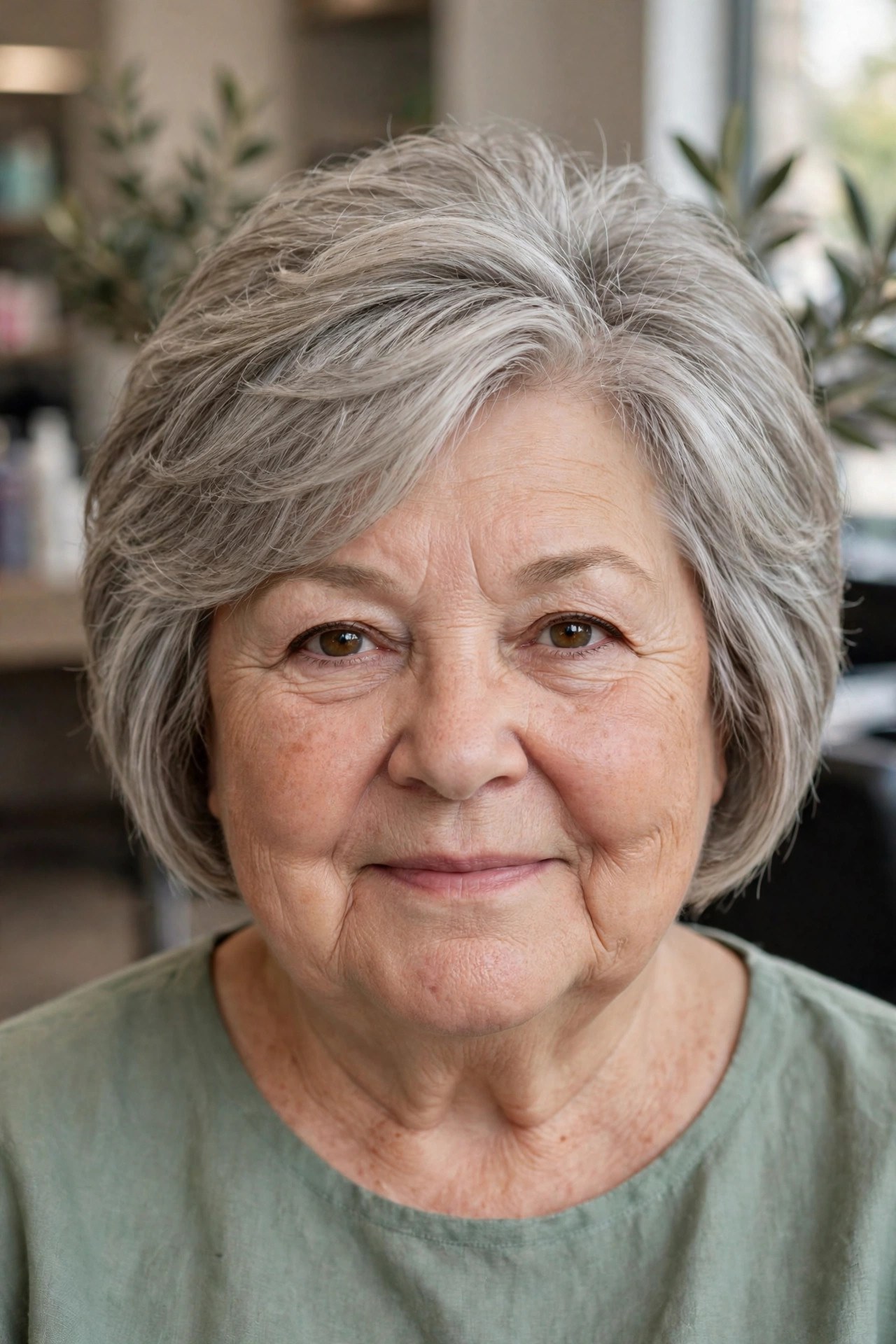
This bob splits its jobs in two: feathered layers on top build soft height at the crown, while the sides are tapered to lie close and flat against the face. Height above, slimness at the cheeks — for a round face that is the ideal distribution of volume, and the feathering keeps the crown from looking teased or dated.
It is a particularly kind shape if your hair is full at the sides but thinning on top, because the feathering disguises sparse areas while the tapering stops the fuller sides dominating. Style the crown up and back with a round brush; the tapered sides need only a smoothing serum and your palms.
19. Salt-and-Pepper Layered Bob with Crown Height
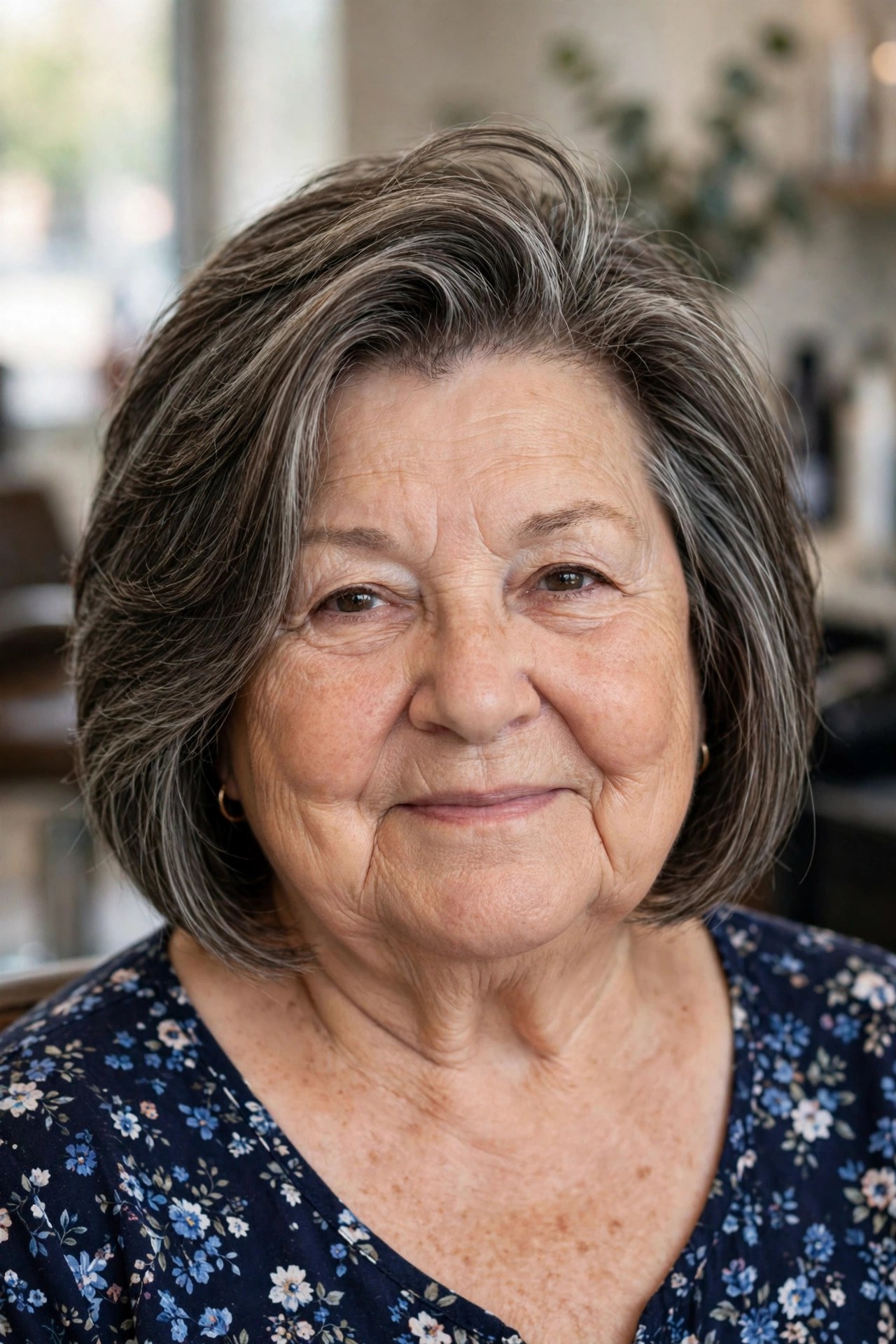
Natural salt-and-pepper hair has built-in dimension — dark and silver strands side by side — and layers are how you show it off. Each layer of this chin-length bob catches light on a different plane, so the two tones separate and shimmer instead of blending into one flat gray-brown. Crown height and a side part keep the proportions long.
Salt-and-pepper hair can yellow from product build-up and heat, so clarify occasionally and keep hot tools moderate and protected. If you are still deciding whether to embrace the gray, the cuts in our shoulder-length layered guide use the same layer placements at a longer length for comparison.
20. Airy Wash-and-Go Layered Bob
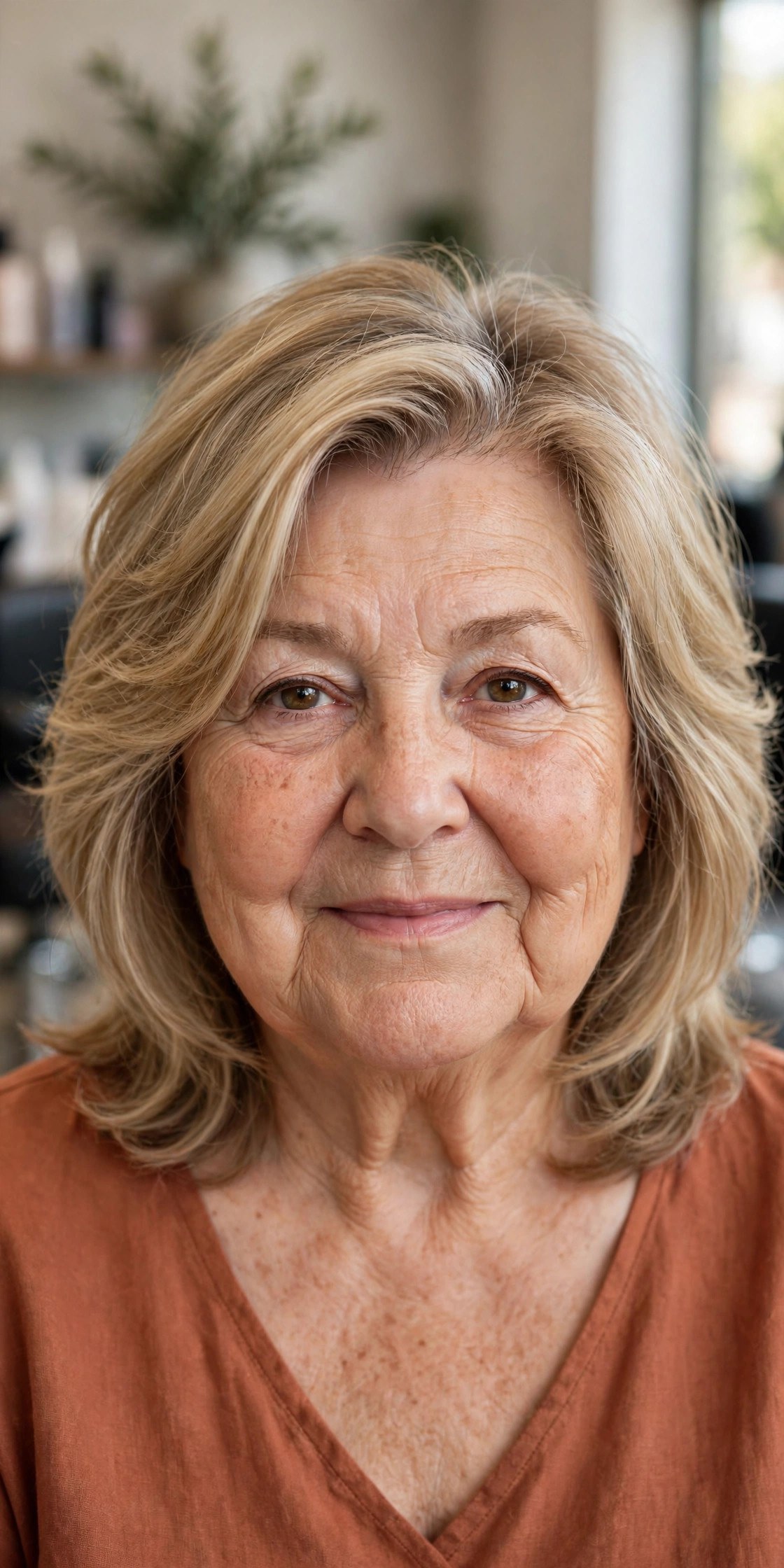
The last idea assumes you would rather not blow-dry at all. The layers are long, even and cut to follow your natural texture — bend, wave or straight — with a side part for height, so the hair falls into a lengthening shape as it air-dries. At collarbone length it still pulls back into a clip when you want it up.
The maintenance lives in the cut, not the styling: book precise trims every seven to eight weeks, because the charm is a clean perimeter with soft internal movement. A little sea-salt spray scrunched into damp lengths helps the layers separate as they dry. Finish with a brushable spray only if your hair is very fine and flyaway.
Recommended Products
These are the products the bobs above lean on most: lift at the crown without weight at the cheeks, texture that keeps layers separated, and protection for the sleek finishes.
- ☐ Trim every 5–8 weeks — the lengthening angles are the first thing to grow out.
- ☐ Keep volume at the crown and roots, never at cheek level.
- ☐ Set your part while the hair is damp; mature hair dries where it is placed.
- ☐ Use mousse and sprays at the roots, serums only from mid-length down.
- ☐ Protect before any flat-iron work, and keep the heat moderate.
- ☐ Refresh day-two crown lift with dry shampoo instead of restyling everything.
- ☐ Sleep on satin to keep layered fronts smooth and frizz-free.
Frequently Asked Questions
What bob length is best for a round face over 60?
Chin-length to collarbone works best. The front pieces should fall below the chin so the eye travels downward; a bob that stops exactly at the widest point of the cheeks tends to make a round face look wider.
Do layers really make a round face look slimmer?
Yes, when they are placed to add length: longer fronts, crown height and slim or tapered sides. Layers that puff out at cheek level do the opposite, which is why placement matters more than the number of layers.
Should a round face over 60 avoid bangs with a bob?
Avoid straight, blunt fringes, which draw a width line across the face. A long side-swept or wispy fringe, or curtain bangs that sweep out to the cheekbones, add a softening diagonal instead.
Is a side part or center part better for a round face?
A deep side part is usually the stronger choice because it builds crown height and a diagonal at the hairline. A center part can work on a longer lob with curtain bangs, where the length below the chin does the lengthening.
How often does a layered bob need trimming?
Every five to eight weeks, depending on the shape. Angled and inverted bobs need the shorter end of that range, because their slimming diagonal softens as the back grows out.
Can fine hair over 60 wear a layered bob on a round face?
Yes — with long layers only, starting at or below the chin, over a mostly blunt base. Short, plentiful layers remove too much bulk from fine hair and make the ends look thinner.
A layered bob flatters a round face when every layer has a job: length at the front, height at the crown, a diagonal at the hairline, and calm, slim sides. Pick the idea above that matches your hair type and your styling patience, take the photo to your stylist, and ask for the placement by name — that conversation is the difference between a bob that widens and a bob that lengthens.