Layered Haircuts for Women Over 60 That Add Lift
This post contains affiliate links. As an Amazon associate, I earn from qualifying purchases. I only recommend products that are of high quality and that I would use myself.
If your hair has started lying flatter than it used to, the problem is rarely your styling — it is geometry. One-length hair is heavy hair, and heavy hair hangs down. Layers fix that not by magic but by placement: cut the right sections shorter, in the right zones, and the hair above them has less weight to carry and springs up. That spring is lift, and it is built into the cut itself.
This guide is about layer placement as the lift mechanism — where layers should start for fine hair versus thick hair, how high crown layers can honestly go before they frizz or pouf, and how to keep the height alive between salon visits. If you want the companion view focused on cuts that draw the eye upward, see our face-lifting haircuts for women over 60, and for length-specific layering, our shoulder-length layered haircuts for women over 60 go deeper on that one length.
One rule before we start: lift comes from shortness where it counts. Layers placed too low remove weight from the ends and leave the crown exactly as flat as before — pretty movement, zero height. Every cut below puts its shortest layers where they can actually hold the hair up.
Table of Contents
- 1. Crown-Layer Pixie with a Lifted Top
- 2. Stacked Graduated Bob with High Crown Layers
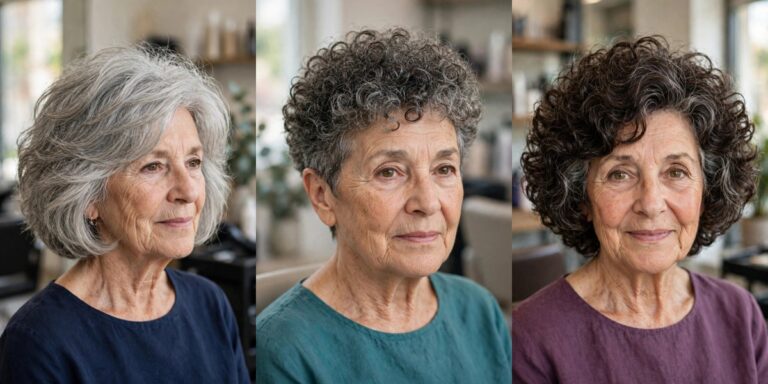
- 3. Feathered Shag with Crown-First Layers
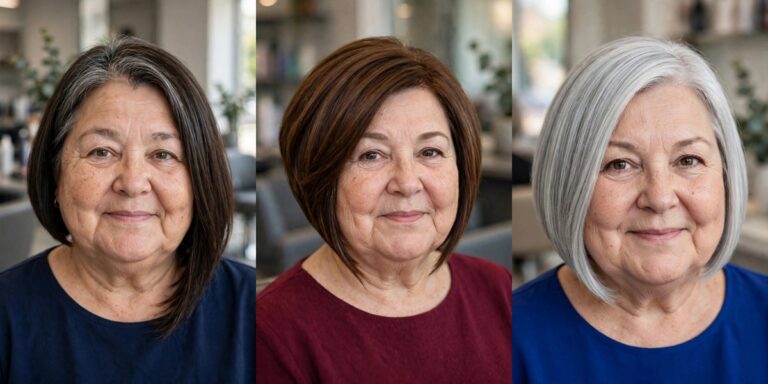
- 4. Chin-Length Bob with Short Crown Layers Only
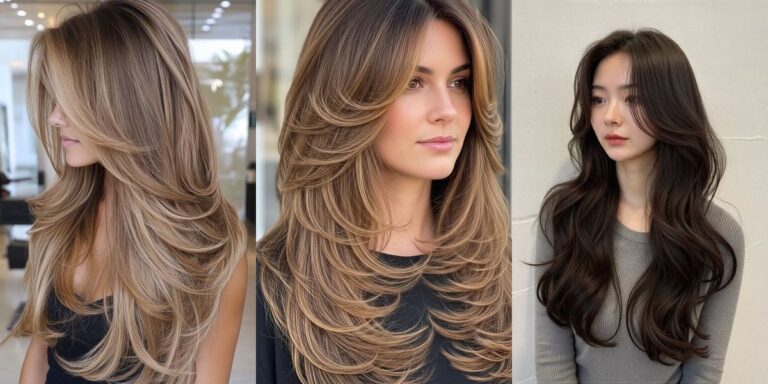
- 5. Long Layers That Start at the Crown
- 6. Choppy Layered Crop with a Tapered Nape
- 7. Collarbone Cut with U-Shaped Layers
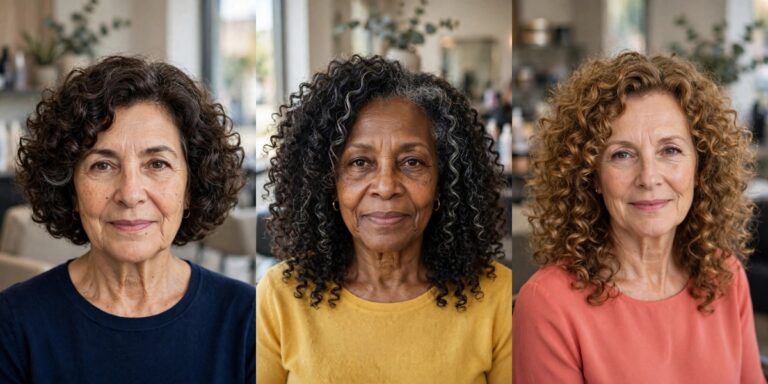
- 8. Curly Layers with Rounded Top Layers
- 9. Wavy Bob with Invisible Internal Layers
- 10. Layered Pixie-Bob with Long Top Layers
- 11. Soft Shag with a Feathered Fringe
- 12. Rounded Bob with a Layered, Stacked Back
- 13. Fine-Hair Bob with Crown-Only Layers
- 14. Thick-Hair Layers with Weight Removed Low, Lift on Top
- 15. Silver Crop with a Side-Swept Fringe
- 16. Medium Layers with Flippy Feathered Ends
- 17. Asymmetric Layered Bob with a Built-Up Crown
- 18. Grown-Out Pixie with Soft Crown Layers
- 19. Blended Top Layers for a Fuller-Looking Crown
- 20. Modern Rounded Layers with a Lifted Dome
- Recommended Products
- FAQs
- Crown collapses by noon? Stacked or graduated backs (ideas 2, 6, 12) — the lift is structural, not styled.
- Fine hair that goes see-through when layered? Crown-only layers (idea 13) or the blended support layer (idea 19).
- Thick, heavy hair sitting flat? Weight removed low, lift on top (idea 14) or invisible internal layers (idea 9).
- Natural curls? Rounded top layers (idea 8) — cut dry, curl by curl.
- Keeping your length? Crown-start long layers (idea 5), U-shaped layers (idea 7) or flippy layers (idea 16).
- Lowest maintenance? Choppy crop (idea 6), grown-out pixie (idea 18) or silver crop (idea 15).
1. Crown-Layer Pixie with a Lifted Top
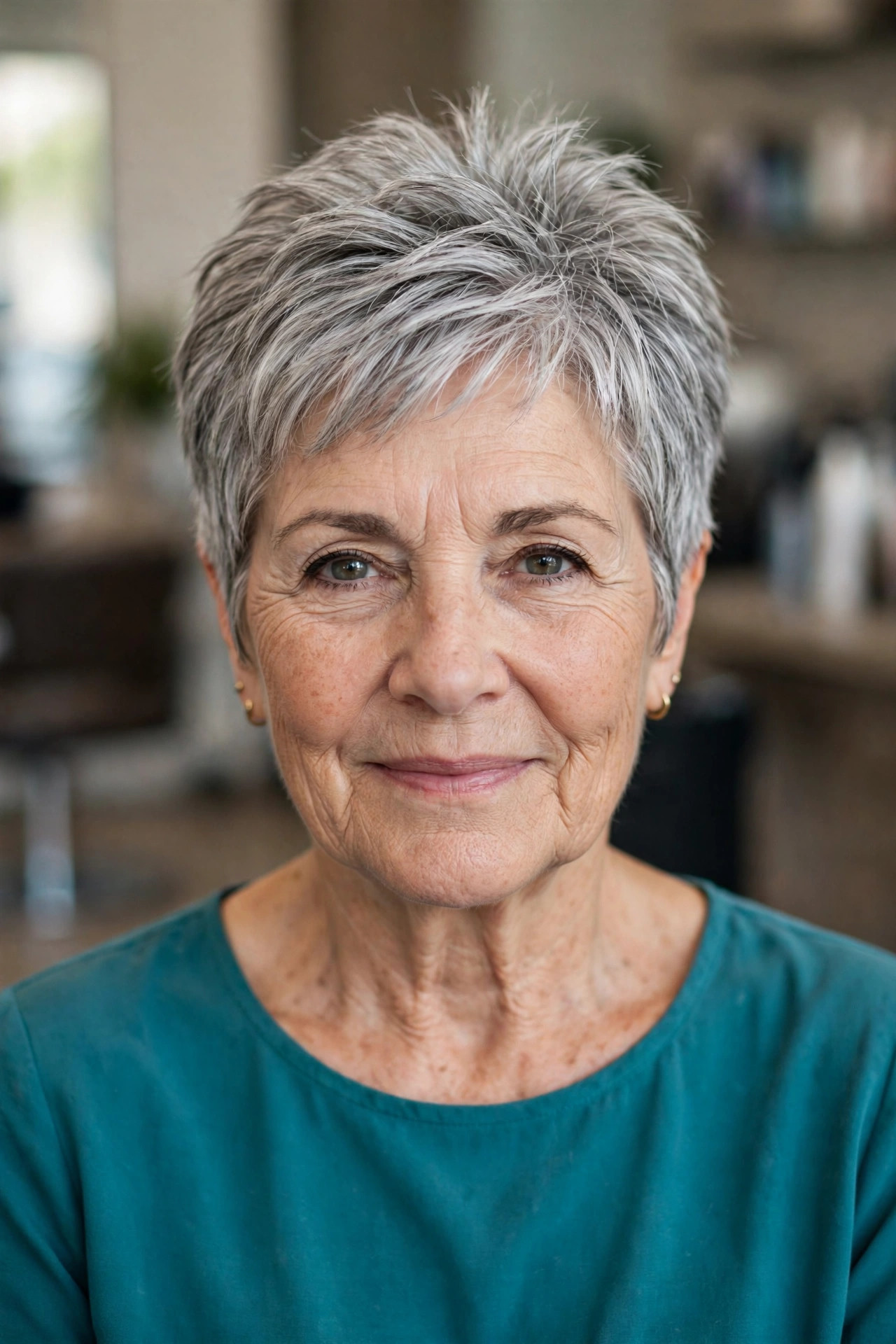
The lift here is pure geometry: the crown layers are cut the shortest of anywhere on the head, so each layer sits on top of the one below like shingles and pushes the hair up instead of letting it lie down. Because those top pieces carry almost no weight, even fine hair can hold height all day.
Ask your stylist to keep the sides and nape close and clean so all the visual energy stays on top. Style by working mousse into the roots of the crown only, drying that section first and forward, then pushing it back — thirty seconds of direction at the root is worth more than any amount of product at the ends.


2. Stacked Graduated Bob with High Crown Layers
Graduation is the strongest lift mechanism in hairdressing: the back is cut in stacked, angled layers that build a shelf of support, and the crown layers on top of that shelf have nowhere to fall. The result is a rounded, high silhouette that holds its shape from the back view — where one-length bobs collapse first.
This is the right ask if your hair is medium to thick and your crown goes flat by midday. The honest trade-off is upkeep: graduation grows out into bulk at the nape in about six to seven weeks, so plan trims on that rhythm to keep the stack — and the lift — intact.


3. Feathered Shag with Crown-First Layers

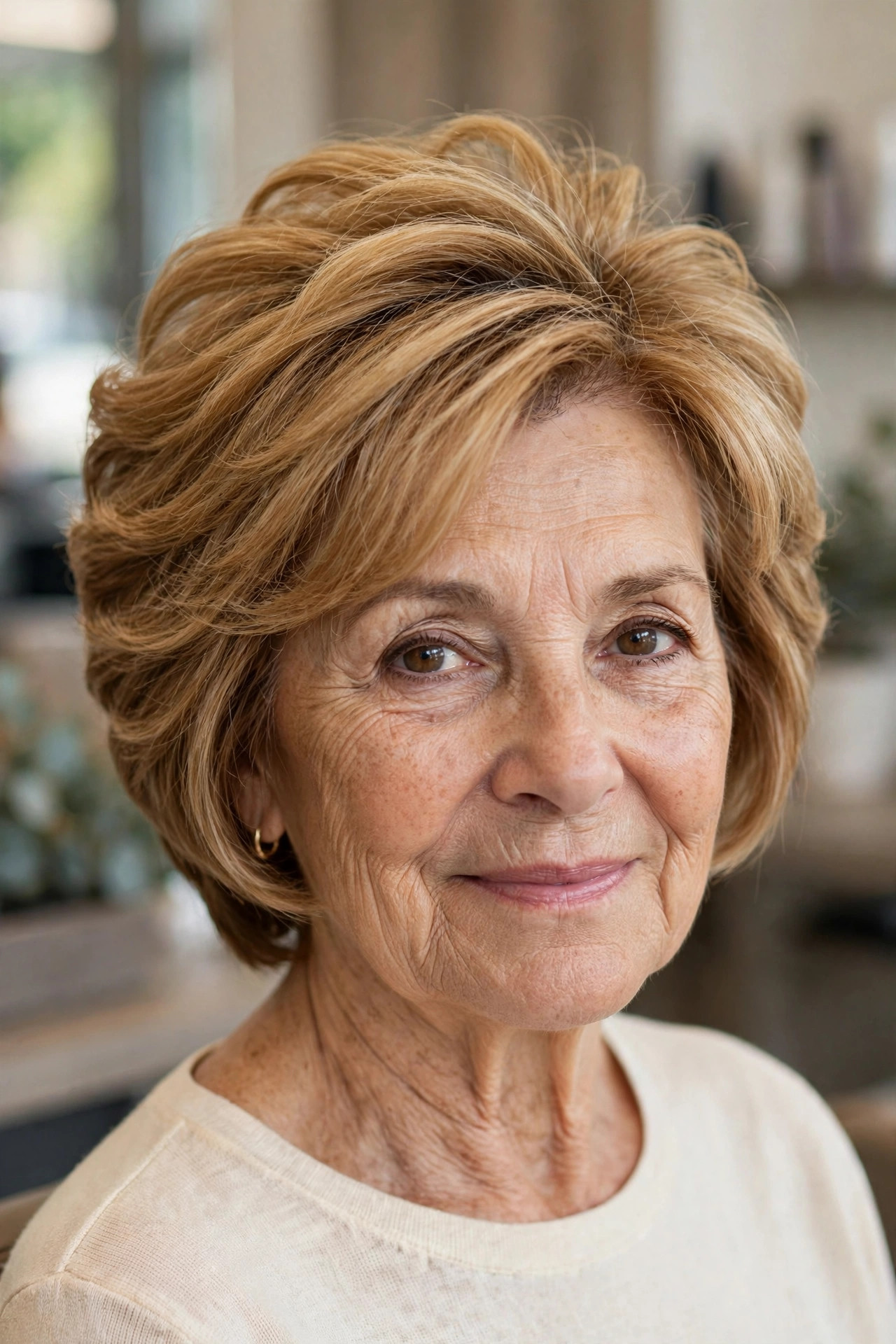
In a shag, the layers start at the crown and cascade down in feathers, each one shorter than the one beneath it, so the whole shape leans upward. It is the most forgiving lift cut here: the movement is built in, and the cut looks intentional on the days your hair waves more and on the days it doesn’t.
Salt-and-pepper hair loves this cut because the feathering shows off the natural dimension. Work a texture spray through damp layers, scrunch the crown upward with your fingers, and let it air-dry. If your hair is very fine, ask for the layers to start a touch lower — crown-first, but not crown-short — so the ends don’t go wispy.

4. Chin-Length Bob with Short Crown Layers Only
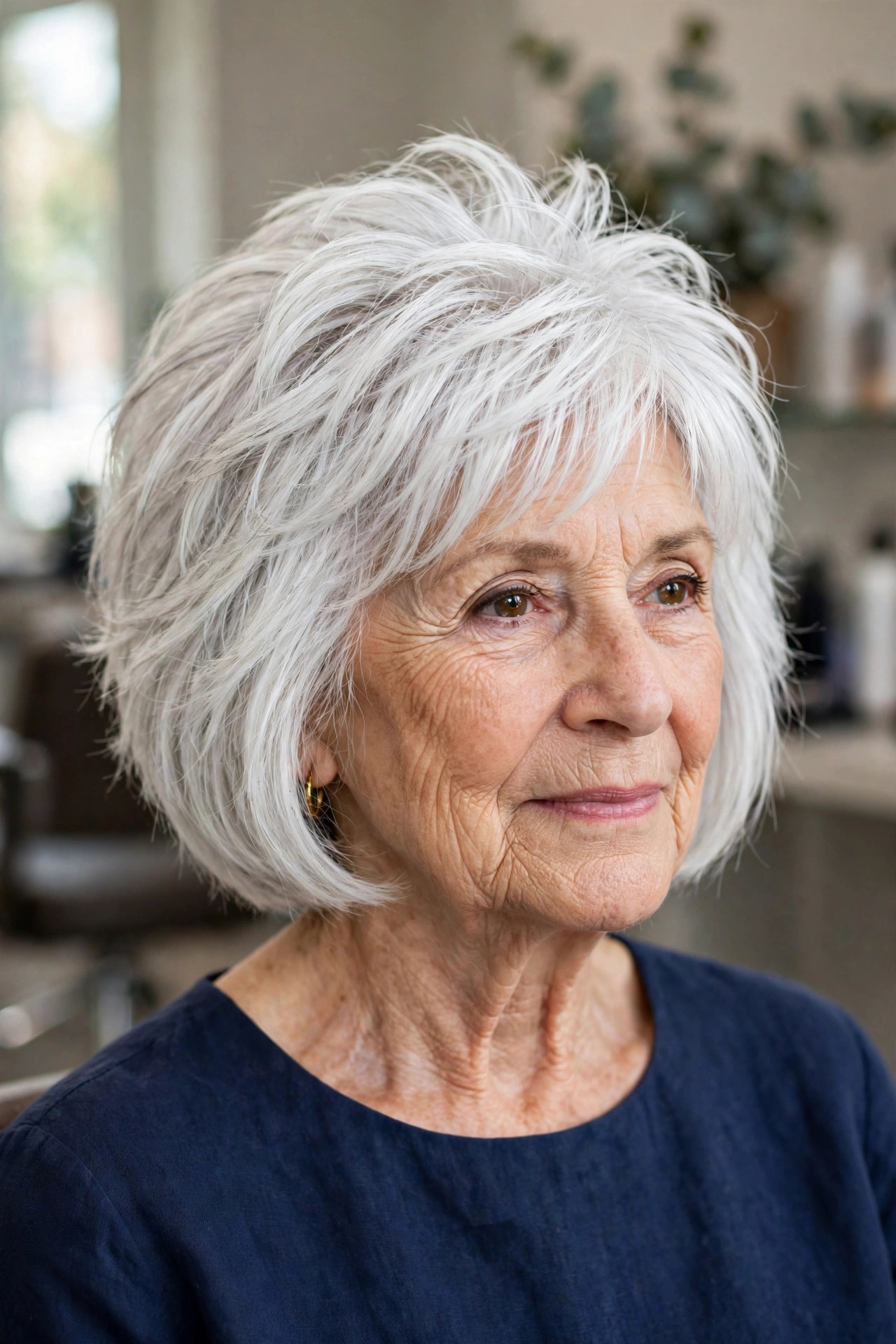
This bob keeps a clean, classic outline but hides its engine on top: a compact zone of short layers through the crown that lifts the whole cap of hair, while the perimeter stays one clean line. From the front it reads polished and smooth; the height at the part is what keeps it from ever reading flat.
It suits straight to slightly wavy hair and is a kind first step if you like a bob but hate the helmet-flat stage two hours after styling. Keep crown layers blended, not chopped — on smooth textures, a visible step between the short crown and the long sides will show. A purple shampoo keeps white and silver versions bright.

5. Long Layers That Start at the Crown
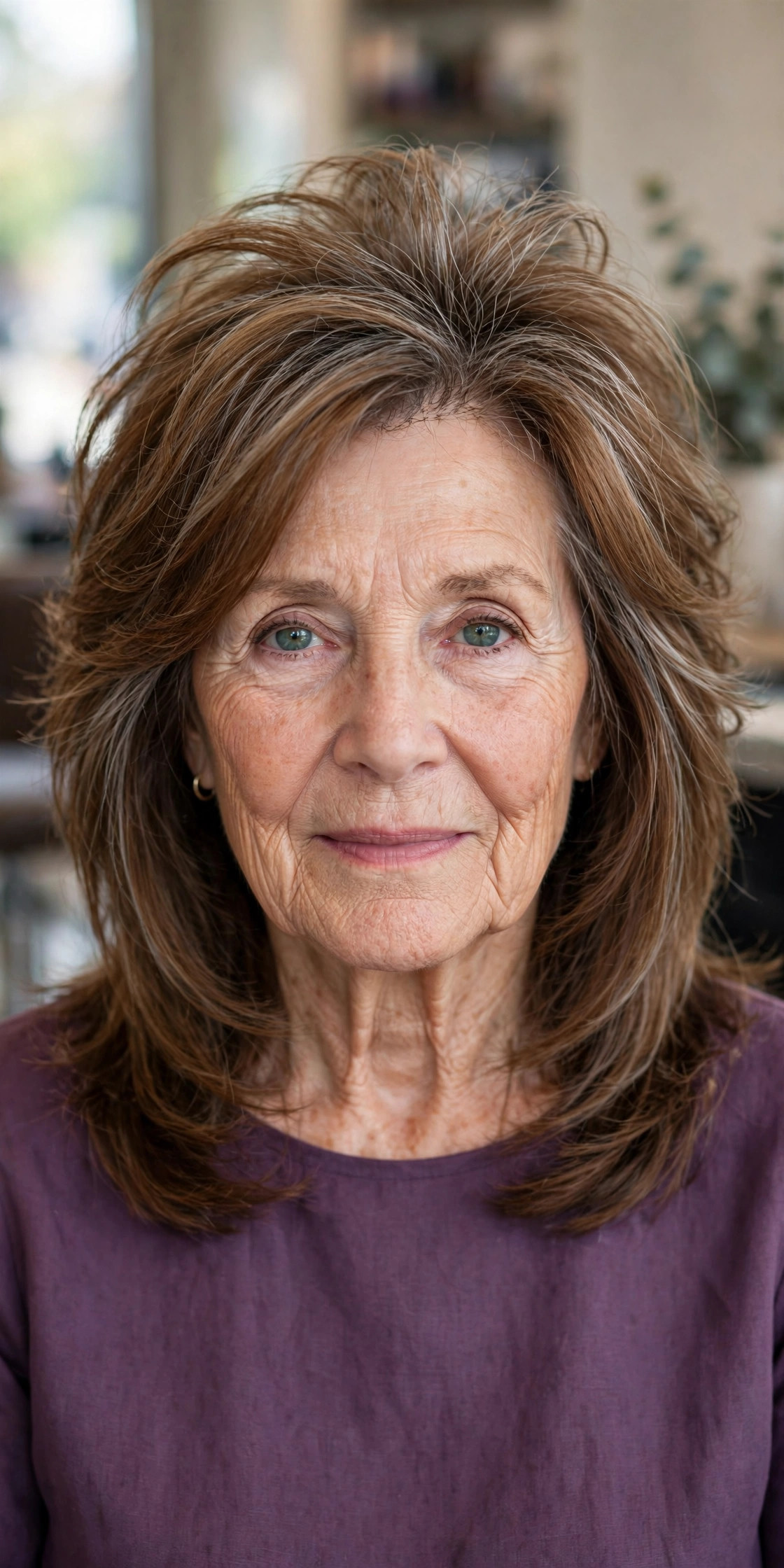
Keeping your length does not mean giving up lift. Here the first layer begins right at the crown and each following layer drops a little lower, so weight is removed exactly where hair gets heavy and stringy, and the top keeps the spring that pulls the whole shape up.
The placement rule for longer hair: the longer the overall length, the higher the first layer needs to start, or the weight below simply drags the crown down again. Blow-dry the crown section first, lifting at the root with a round brush, and let the lower layers fall where they like — the top is the structure, the lengths are the decoration.

Layer placement works best when it respects your face shape — crown height flatters long faces, distributed layers suit round ones. Try our free Face Shape Finder to discover your face shape in under a minute, then match it to the ideas above.
6. Choppy Layered Crop with a Tapered Nape
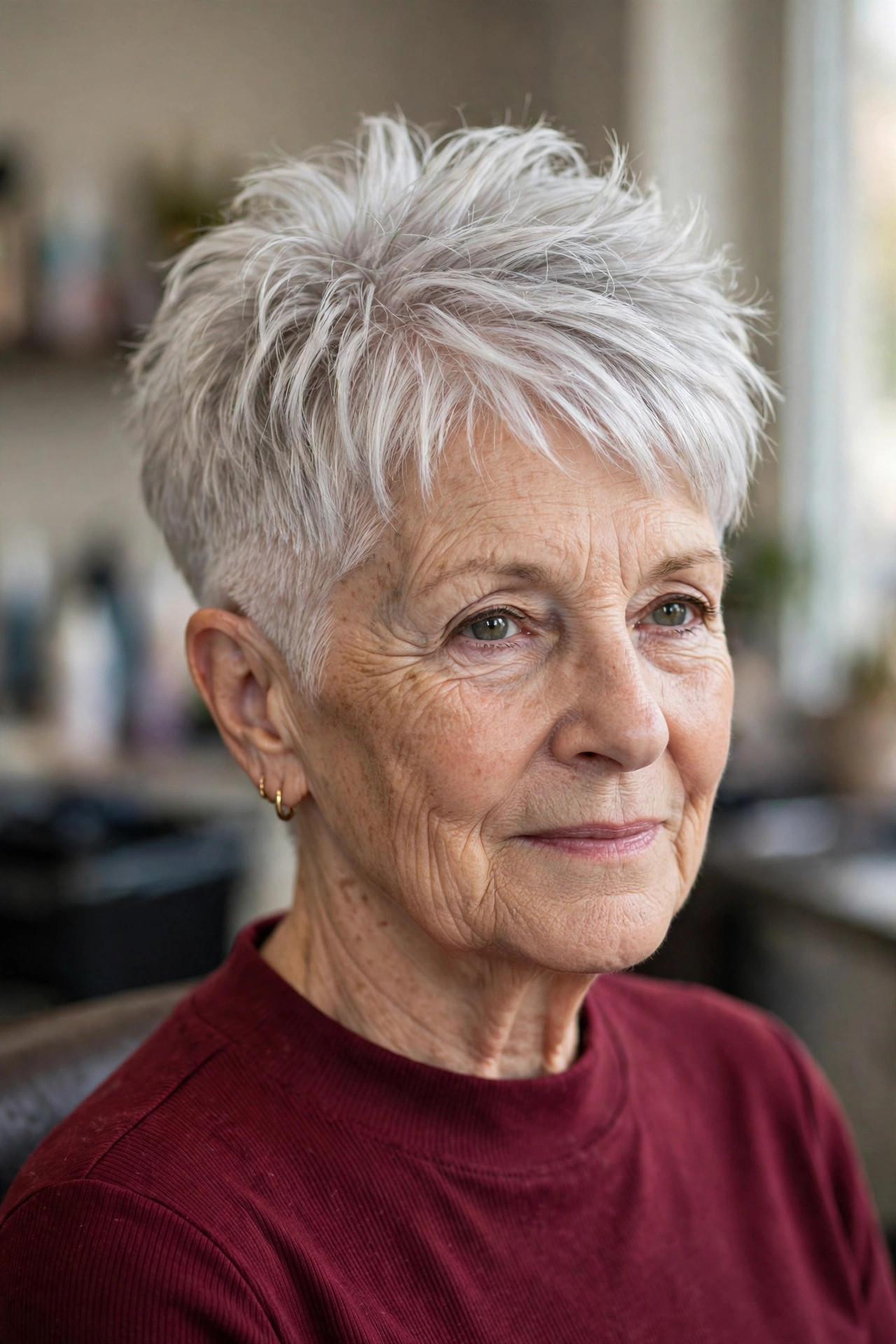
Short, separated, piecey layers through the crown — brushed up and forward — give this crop its height, while the tapered nape removes every gram of weight that could pull the shape down. Choppiness is functional here: separated pieces catch light and read as thickness.
This is a two-minute morning cut. A pea of texturizing putty pinched through the crown pieces is the whole routine. One caution: choppy crown layers on coarse, wiry gray hair can pouf if cut too short, so ask your stylist to leave the top a fraction longer than you think — you can always take more off at the next visit.

7. Collarbone Cut with U-Shaped Layers
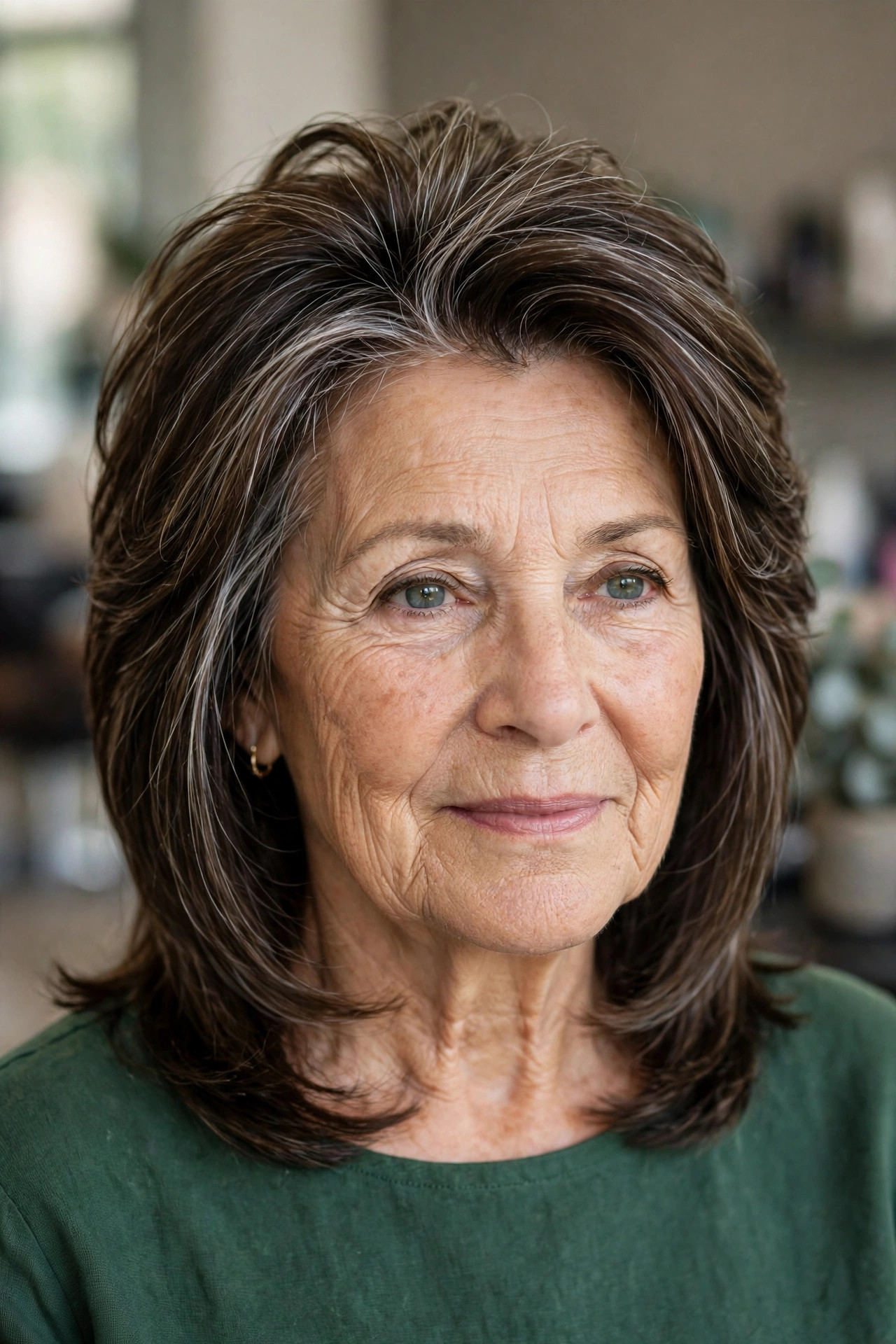
U-shaped layering curves the layers in an arc — shortest at the crown, gradually lengthening toward the front and back — so the lift is rounded and even rather than concentrated in one spiky spot. The collarbone length keeps a graceful, modern feel while the arc does the structural work on top.
This geometry flatters almost every face because the height is distributed, not stacked in one place. It is also a gentle choice for hair that is thinning at the part: the arc keeps coverage even. Dry the crown in sections, lifting straight up, and finish the collarbone ends under for polish.


8. Curly Layers with Rounded Top Layers
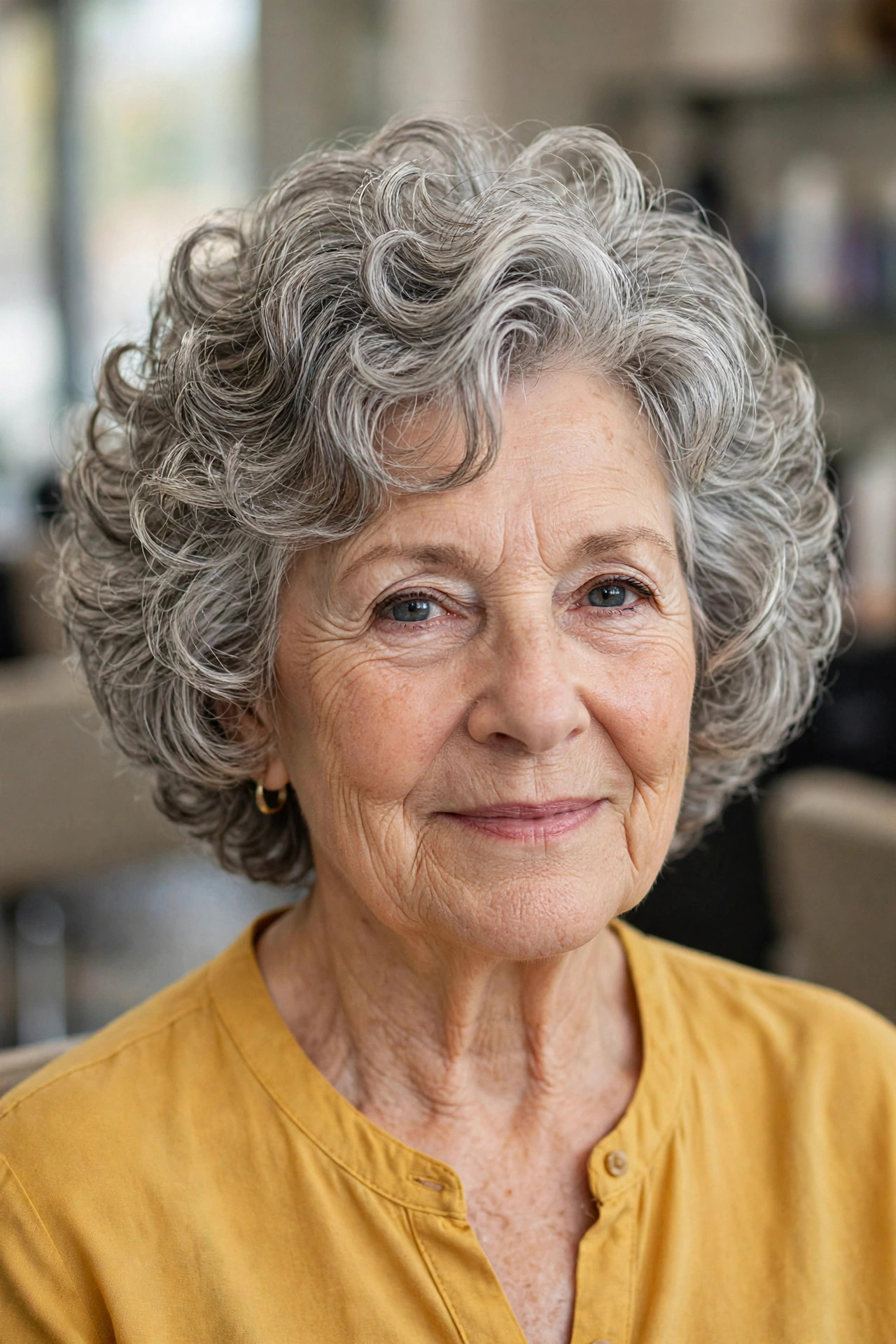
Curls get their lift from layer length, too — but in reverse logic: when curly layers are all one length, the weight stretches the top flat and the volume migrates to the sides in a triangle. Shorter, rounded top layers let the crown curls spring up to their full height instead.
Insist the layers are cut dry, curl by curl, so the stylist sees where each one will actually live. And keep crown layers moderate: cut too short, curly crown layers spring into a halo of frizz in humidity. Feed the curls with a cream, scrunch upward, and never brush them dry.


9. Wavy Bob with Invisible Internal Layers

Not all layers show. Internal (or invisible) layers are cut inside the hair, underneath the surface, removing hidden weight so the visible top layers can rise — the surface stays smooth and sleek while the structure underneath does the lifting.
This is the professional’s answer for thick, heavy hair that sits flat because of its own mass, and for anyone who wants lift without a visibly ‘layered’ look. Because the work is hidden, grow-out is soft and forgiving. A whipped foam at the roots plus a sea-salt mist through the waves keeps the airy effect going between washes.


10. Layered Pixie-Bob with Long Top Layers
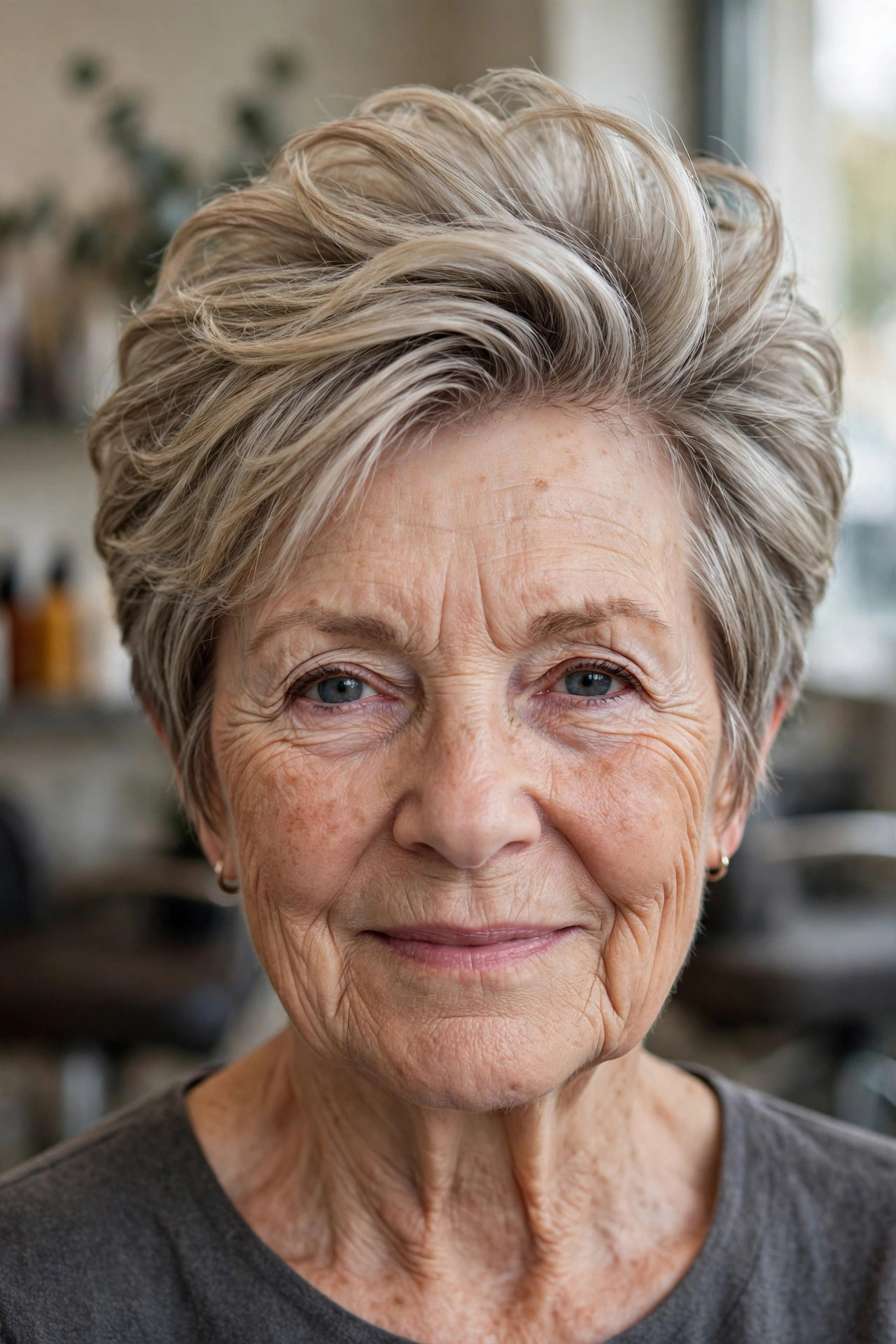
The pixie-bob splits the difference: short and clean at the back and sides, with long top layers that are brushed up and back to build real height at the front and crown. Those long top layers are the styling playground — swept up for lift, side-parted for softness, tucked for polish.
Because the top stays long, the lift here comes from direction and root product more than from shortness, so blow-dry the top section back and up before anything else. Readers who love this shape often enjoy browsing pixie cuts for women over 50 for more short-and-lifted variations on the theme.

11. Soft Shag with a Feathered Fringe
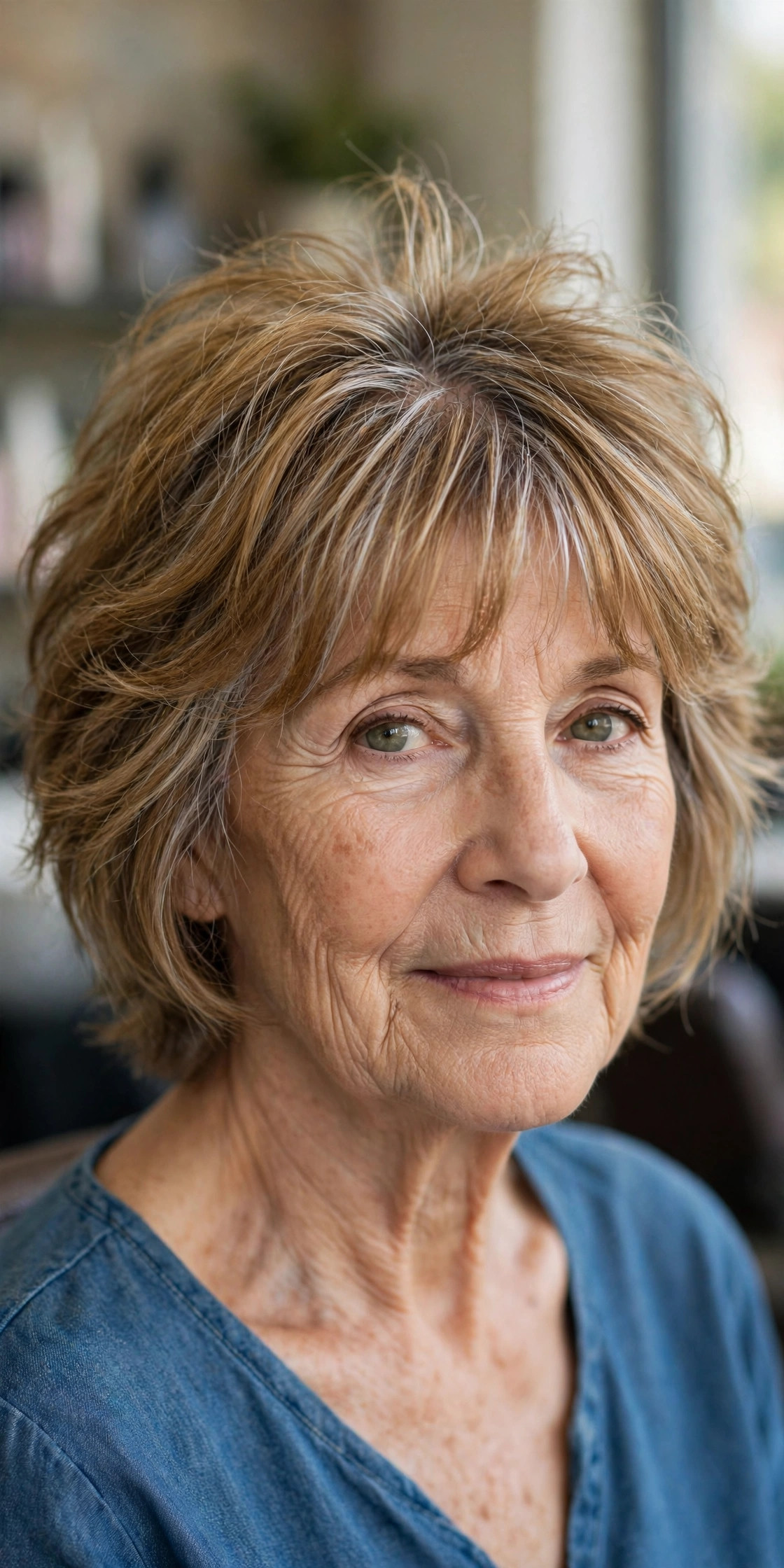
A soft fringe changes where lift appears to start: the feathered front layers flow straight into crown layers cut on the same diagonal, so the eye reads one continuous upward sweep from forehead to crown. Nothing sits still, and nothing drags down.
Keep the fringe wispy rather than blunt — a heavy fringe steals weight from the crown layers behind it. This cut air-dries beautifully with a texture spray, and the fringe forgivingly softens a high forehead. If your hair is fine, ask for the fringe layers to connect longer, so the front doesn’t thin out.
12. Rounded Bob with a Layered, Stacked Back
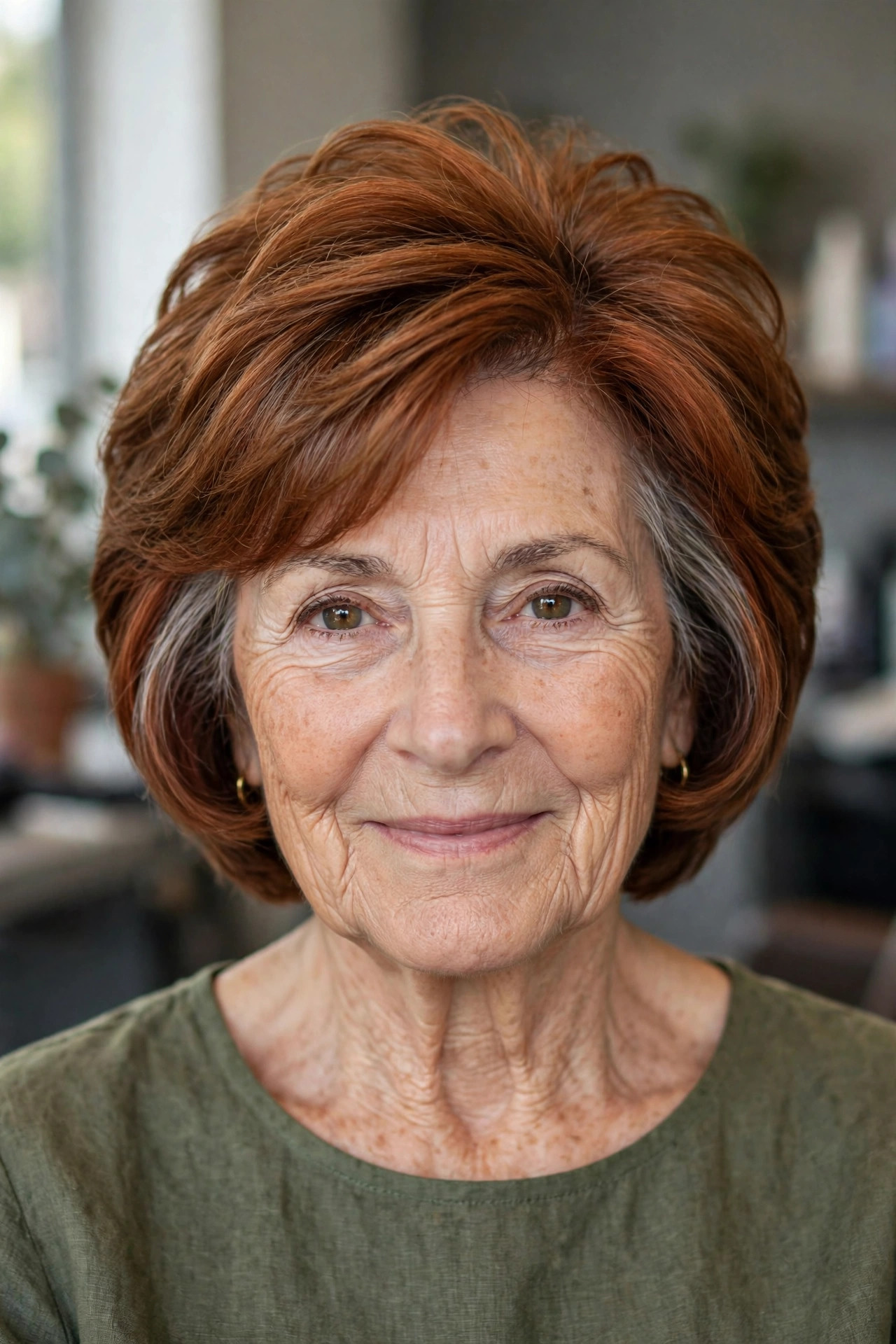
Think of the back of this bob as scaffolding: stacked layers at the nape and occipital bone build a curved shelf, and the smooth top layer drapes over it with height that survives a full day. From the side, the silhouette is a clean, rounded arc — never a flat line from crown to nape.
It is the classic answer for a flat back of the head, and it works on fine to medium hair as long as the stack is cut softly rather than severely. Round-brush the crown forward as you dry, then smooth it back over the stack. Book the nape clean-up every six weeks; the shape is geometry, and geometry needs maintenance.
13. Fine-Hair Bob with Crown-Only Layers
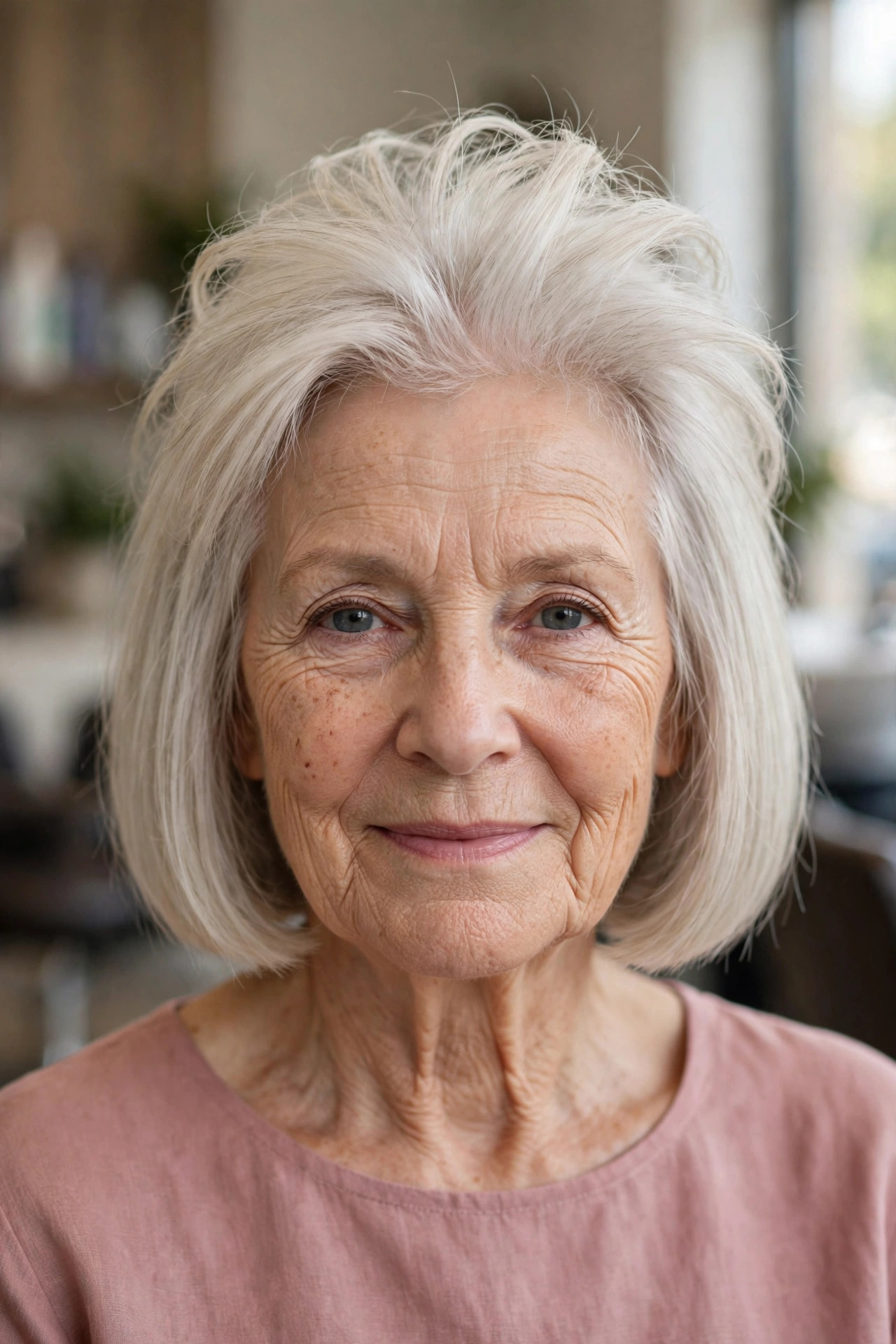
For genuinely fine hair, the smartest layer is the one you don’t cut. This bob layers only the crown — a small, high zone — and leaves the sides and ends completely blunt, so you get lift on top without sacrificing the precious density at the perimeter that makes fine hair look full.
This is the honest counterpoint to ‘more layers = more volume’: on fine hair, layers through the lengths make ends transparent. If your hair is fine and you have struggled before, compare approaches in our guide to haircuts for women over 50 with thin hair. Crown mousse and a day-two dry shampoo keep the top zone lifted.
14. Thick-Hair Layers with Weight Removed Low, Lift on Top
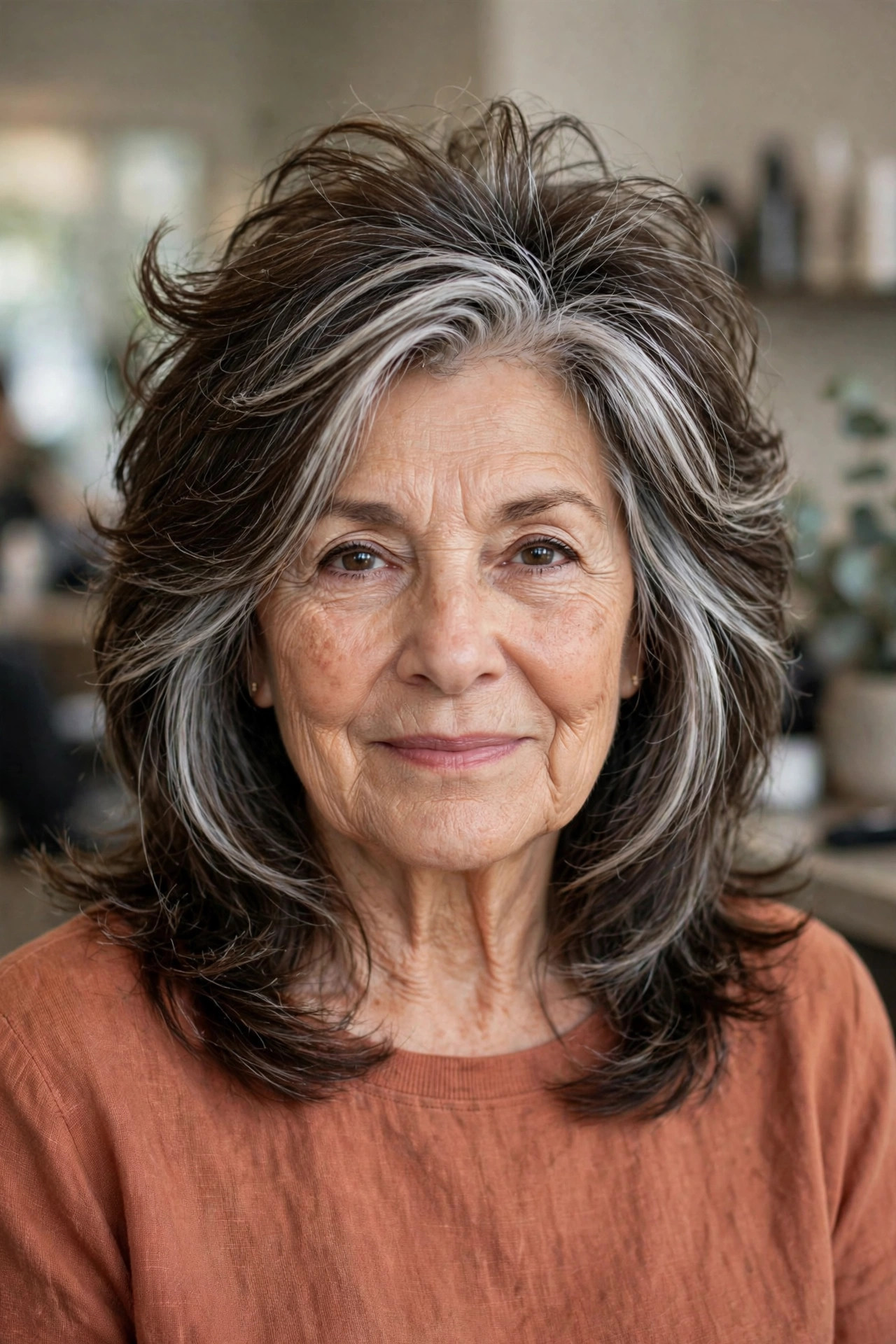
Thick hair goes flat for the opposite reason fine hair does: sheer mass. Here the layers are placed to debulk the lower third — where thickness turns to heaviness — while the top layers are left springy and supported, so the crown can finally rise instead of being anchored down.
Ask specifically for weight removal low and layer length kept longer on top; reversing that is the classic mistake that gives thick hair a mushroom shape. The layers should be long and blended, not short and choppy. A volumizing dryer brush through the crown after washing sets the lift while the lengths stay calm.

15. Silver Crop with a Side-Swept Fringe
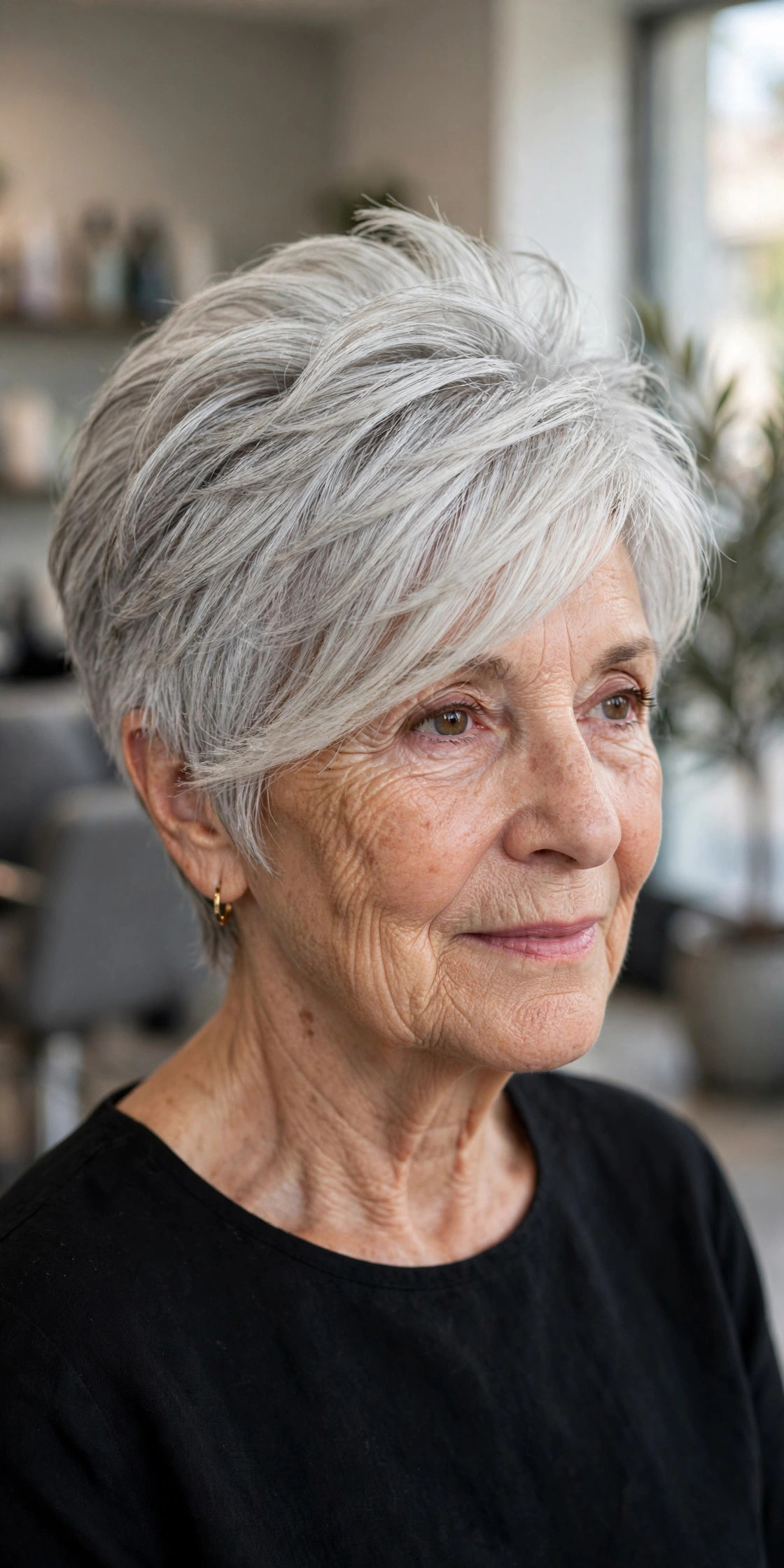
A diagonal fringe is a lift device: swept across and up, it creates a rising line that pulls the whole face upward visually, and the textured crown layers beneath it are cut to support that diagonal. On silver hair the piecey texture also shows off the natural shine and dimension beautifully.
Keep the fringe long enough to sweep — cropped too short it will spring straight on coarse gray textures. A dab of texturizing putty defines the pieces, and a purple shampoo once a week keeps the silver icy rather than yellow. This is an elegant option if you want short hair that still feels dressed.
16. Medium Layers with Flippy Feathered Ends
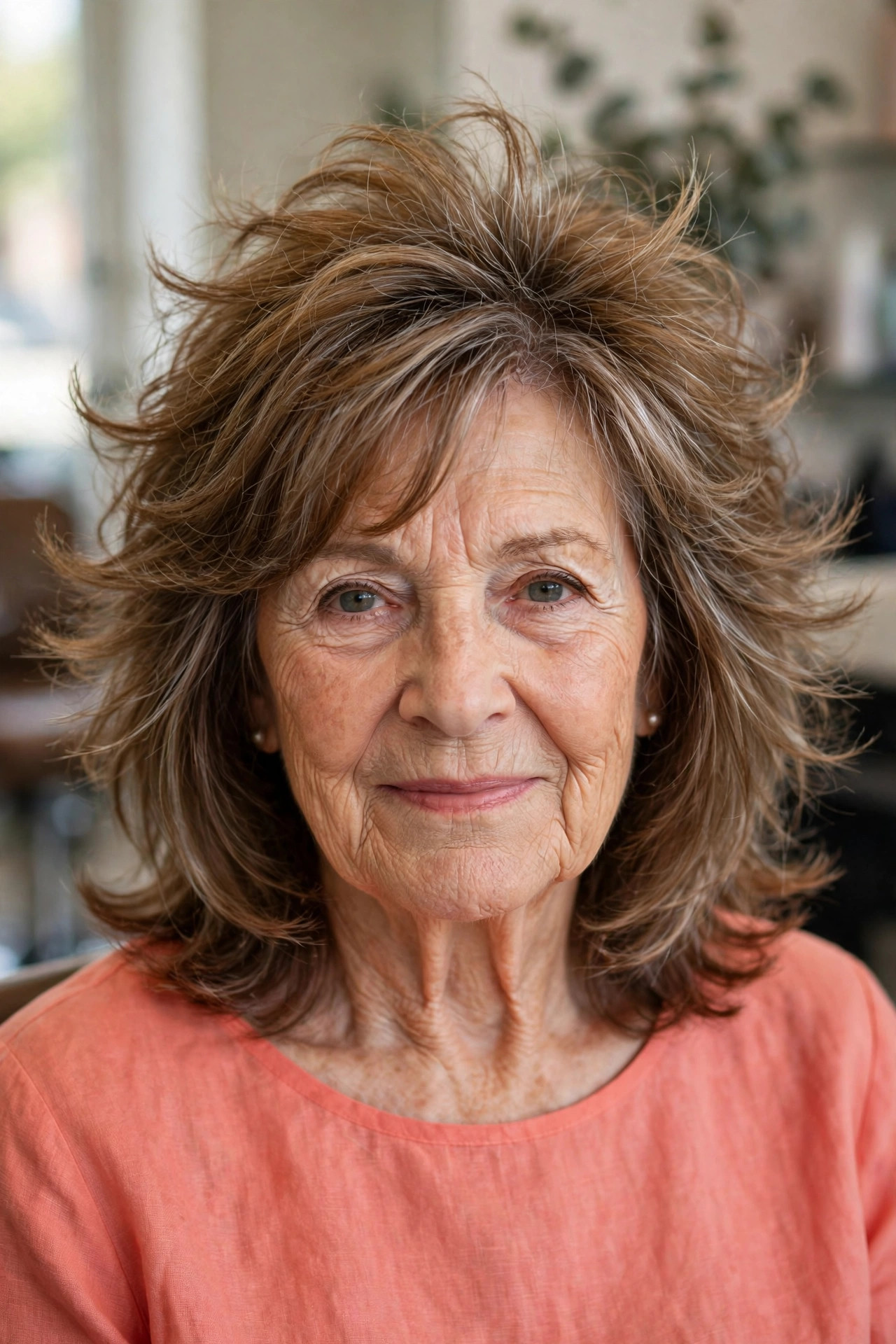
Most layered cuts aim their movement inward; this one flicks it outward. Feathered layers through the crown lift the top, and the ends are styled to flip up and out, so the whole silhouette reads buoyant — energy at the top, energy at the bottom, nothing hanging straight and heavy in between.
The flip is a styling move built on a layered foundation: without layers, ends are too heavy to flick. Dry the crown up first, then use a round brush or dryer brush to roll the last few inches outward. It is a joyful, slightly retro shape that suits medium hair and oval or heart faces especially well.
17. Asymmetric Layered Bob with a Built-Up Crown
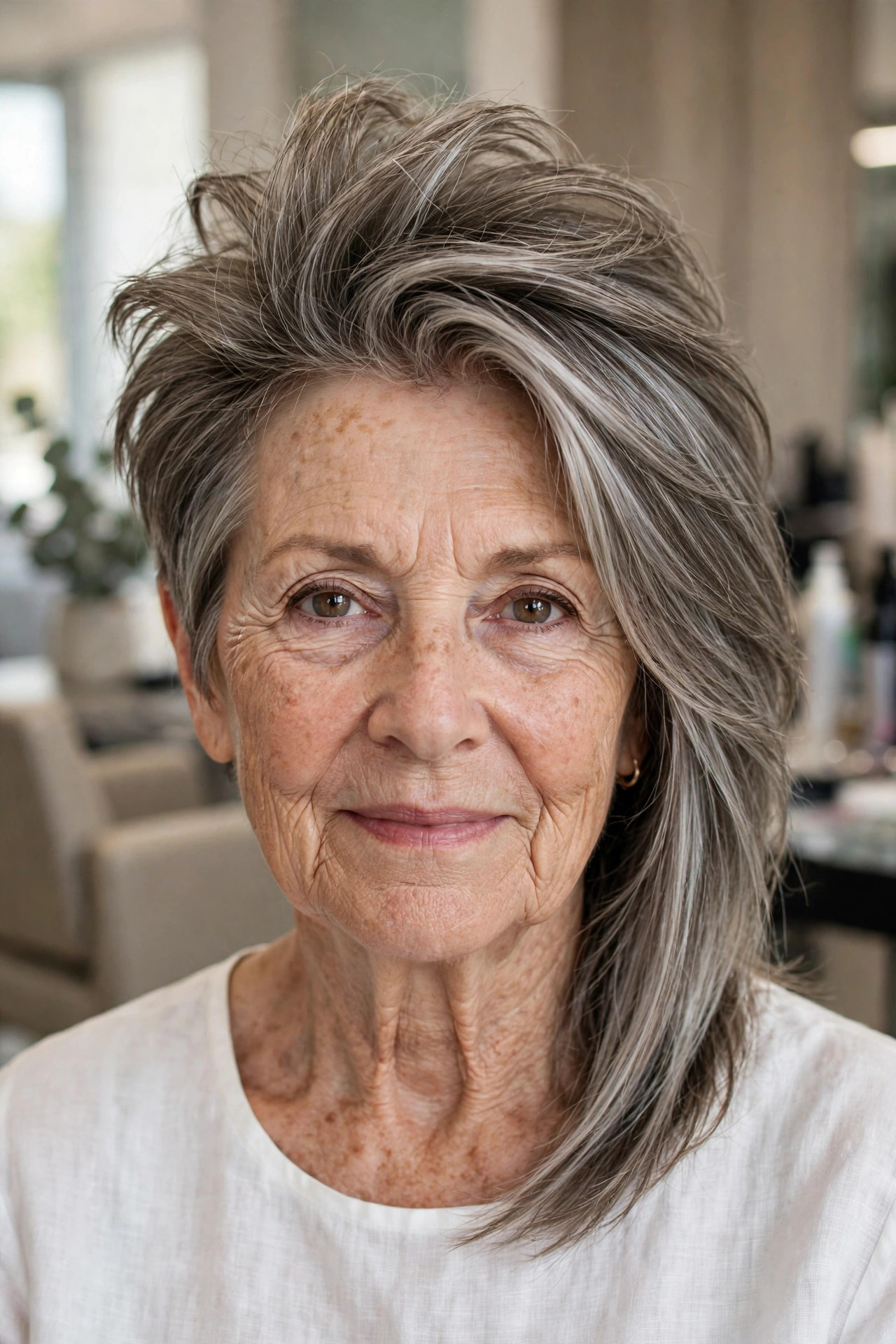
Asymmetry lets you put the lift exactly where you want it: the crown is built up high on the shorter side, and the longer side falls in a smooth diagonal that makes the height on top look even greater by contrast. It is the boldest silhouette in this list, and one of the most slimming.
Because the shape is precise, choose a stylist who shows you the diagonal in the mirror before cutting — the long side should graze the jaw’s strongest angle. Smooth the long side with a flat iron if you like it sleek, and keep heat protectant on it; the short, lifted side needs nothing but a root foam.

18. Grown-Out Pixie with Soft Crown Layers
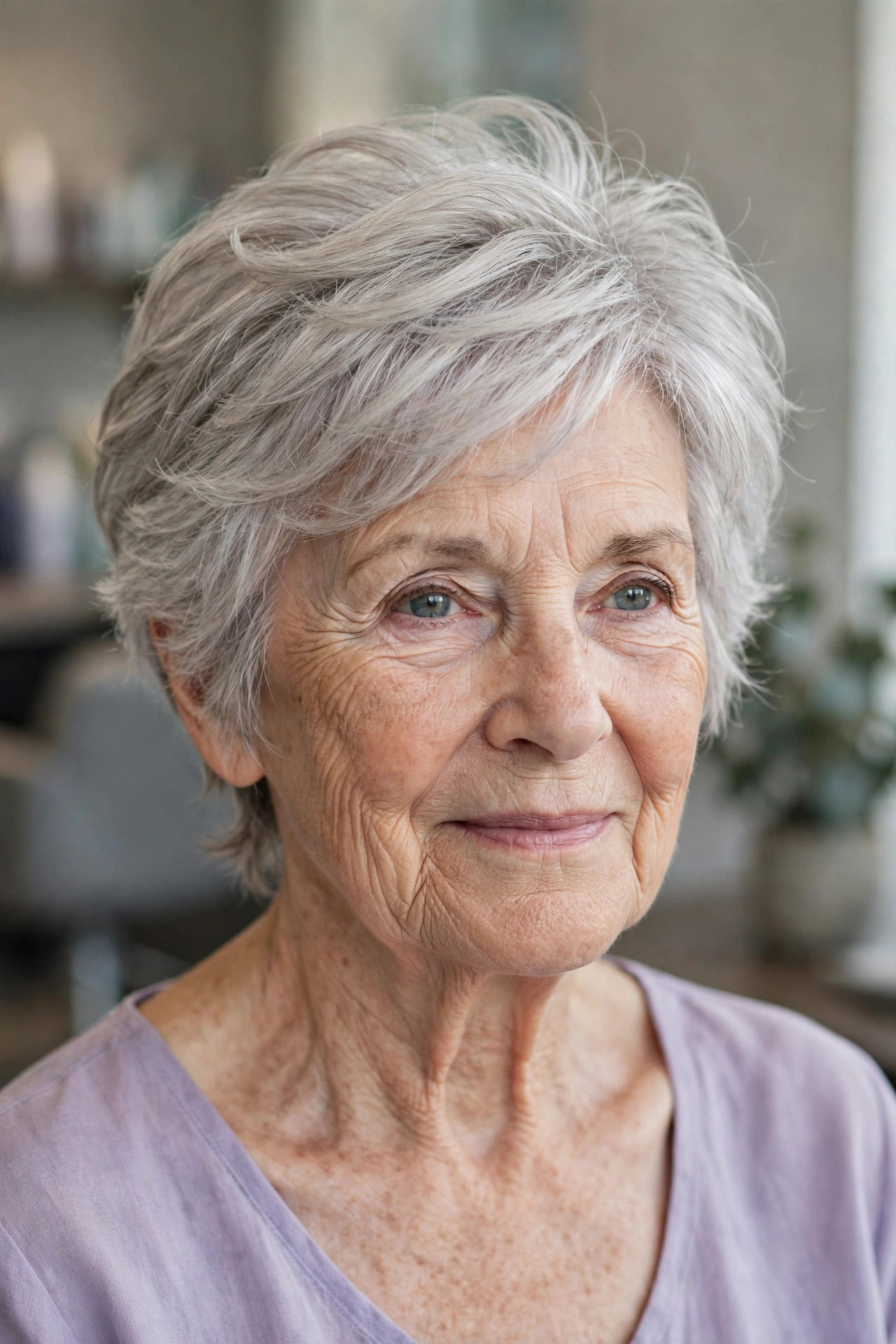
Growing out a pixie usually means months of flat, shapeless hair — unless the grow-out is layered on purpose. Soft crown layers keep height on top while the sides and back gain length, so every stage of the grow-out still has a deliberate shape and lift.
Tell your stylist the goal length at the first appointment so the layers are placed to become your next cut, not fight it. The crown stays the shortest zone the whole way through. A light mousse and finger-styling keep it soft; avoid heavy waxes, which collapse the gentle layering this cut depends on.
19. Blended Top Layers for a Fuller-Looking Crown
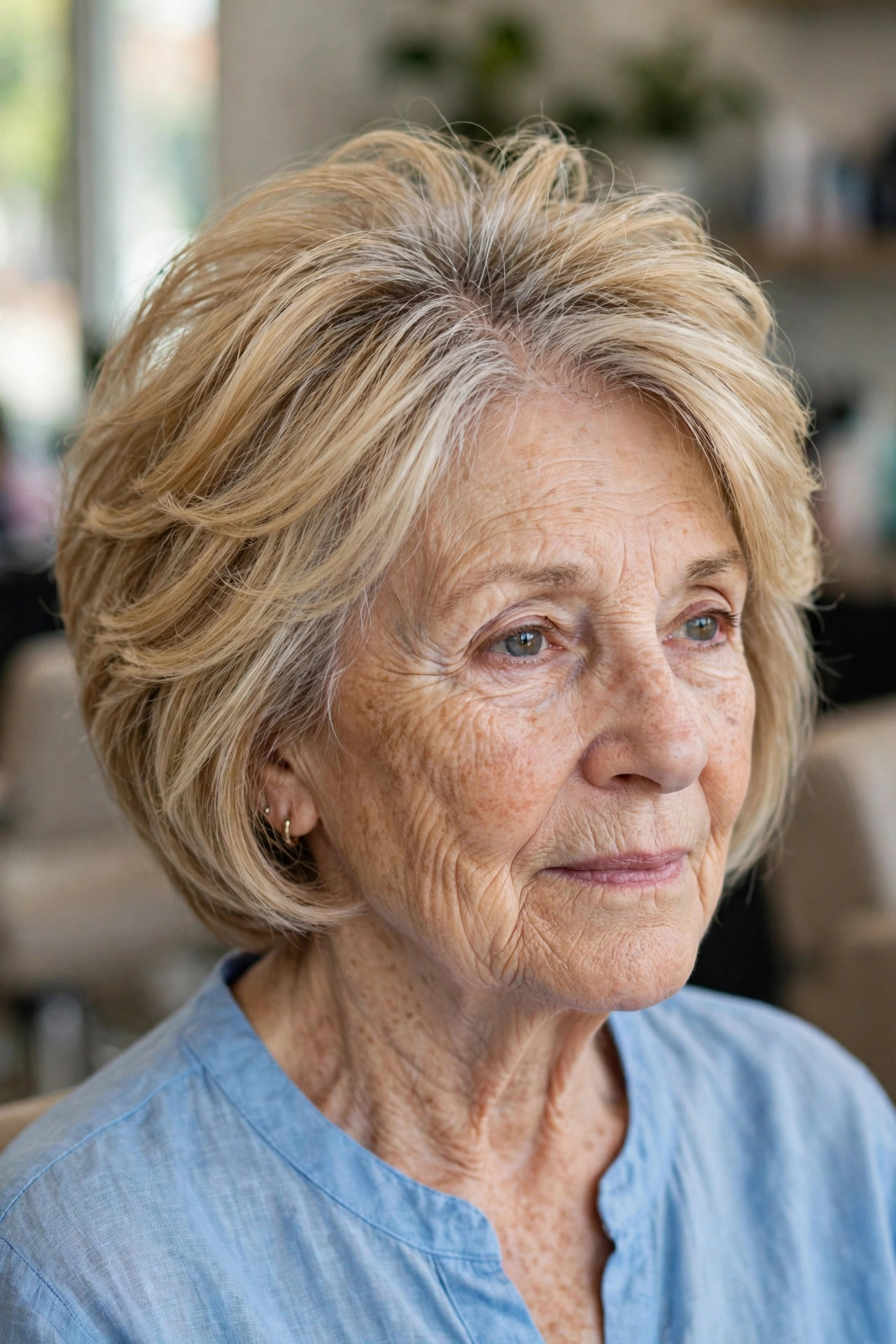
For a crown that is thinning, the cleverest placement is a short support layer underneath with a longer layer blended over the top. The hidden short layer props the visible one up, and the longer top layer keeps coverage complete — lift and camouflage in the same cut.
Honesty matters here: layers cannot create hair that isn’t there, and cutting the top too short will expose the scalp rather than hide it. Keep the top layer jaw-length or longer, part slightly off-center, and use root-lifting products sparingly — buildup weighs the support layer down. A root booster brush adds gentle daily height without teasing.
20. Modern Rounded Layers with a Lifted Dome
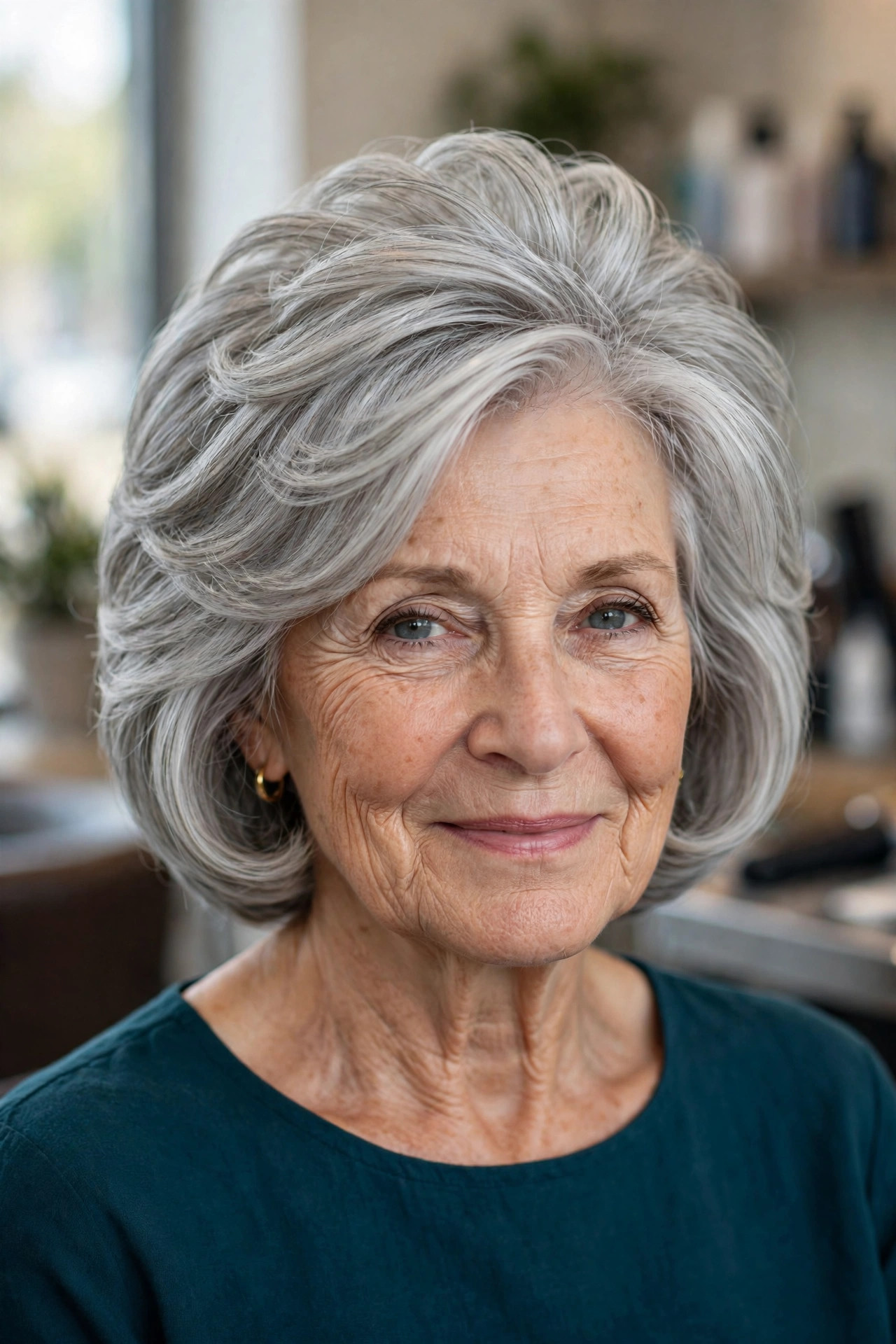
A polished update on the classic pageboy: rounded layers curve under at the jaw while short crown layers form a smooth, lifted dome on top. The layers are blended so seamlessly that the hair reads as one glossy, curving shape — with the height engineered in, not styled on.
This is the most ‘done’ look in the collection, and it rewards five minutes with a round brush: dry the dome section over the brush, lifting at the root, then let it settle into the curve. Silver and gray hair look especially striking in this shape. A toning gloss keeps the surface luminous between cuts.


Recommended Products
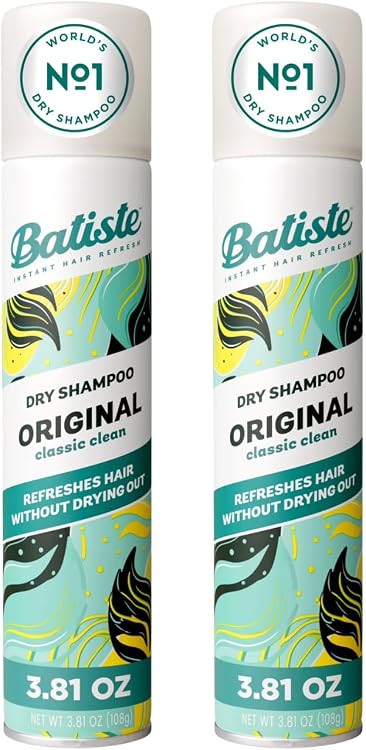
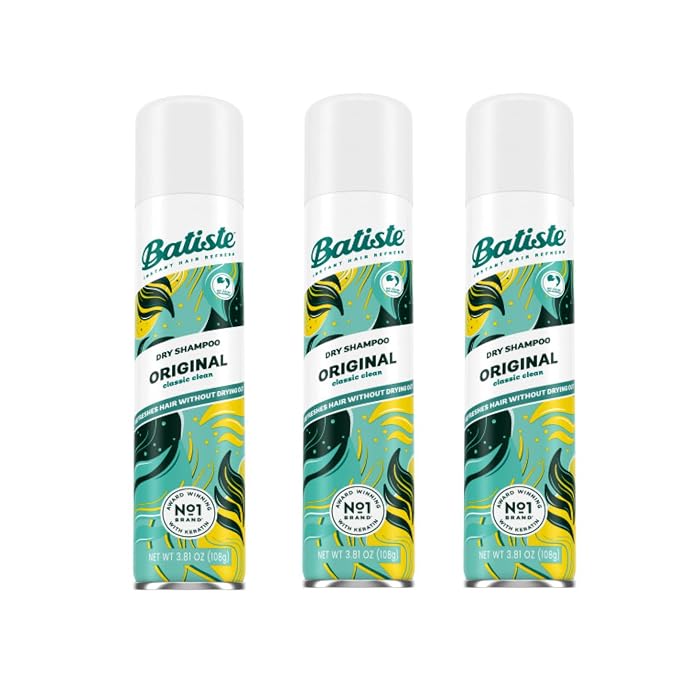
These five are the root-lift toolkit behind the cuts above: a strong volumizing mousse for crown layers, a root-boosting brush that builds height while you dry, the round brush behind every graduated blowout, a dry shampoo that revives flat roots on day two, and a texturizing putty for short layered crowns.
- ☐ Book the trim before the lift dies: 5–7 weeks for pixies, crops and stacked backs; 8–10 for medium layered cuts.
- ☐ Always dry the crown first, lifting at the root against the direction hair falls — it sets the height everything else follows.
- ☐ Apply mousse and root products at the roots of the crown only; product on the ends adds the weight you just cut away.
- ☐ Keep heavy oils and rich creams off the top zone — save them for the last inch of the lengths.
- ☐ Refresh day two with dry shampoo at the crown before bed, so it absorbs oil overnight instead of sitting on flat hair in the morning.
- ☐ Sleep on a smooth pillowcase so crown layers glide instead of crushing flat.
- ☐ At every appointment, ask your stylist to check the graduation: grown-out layers slide down, and lift slides with them.
Frequently Asked Questions
Where exactly should layers start to add real lift after 60?
At or above the crown for most hair types. Lift is created by the shortest layers, and they can only push hair up if they sit where you want the height. Layers that start at the chin or below add movement to the ends but leave the crown carrying its full weight — the most common reason a ‘layered cut’ still looks flat on top.
Can layers make fine hair look thinner instead of fuller?
Yes — and it is the most important honesty in this guide. On fine hair, layers through the sides and lengths remove density you cannot spare and the ends turn transparent. Fine hair does best with layers concentrated in one small zone — the crown only — while the perimeter stays blunt and full, as in idea 13.
Are very short crown layers a good idea on curly, coarse or frizzy hair?
Usually not at their shortest. Short crown layers on curly or coarse textures spring up more than expected and can pouf or frizz, especially in humidity. Ask for crown layers a step longer than the photos suggest, cut dry on curls, and refine at the next visit once you see how your texture behaves.
How often do layered cuts need trimming to keep the lift?
Short layered cuts — pixies, crops, stacked bobs — hold their geometry for about five to seven weeks. Medium and collarbone lengths stretch to eight to ten. The warning sign is simple: when the crown starts collapsing earlier in the day than it used to, the layers have grown down and it is time.
Can I get lift from layers without blow-drying or heat styling?
Yes, if the lift is structural. Stacked, graduated and choppy cuts (ideas 2, 6 and 12) build height into the shape itself, so finger-drying or air-drying with a root product keeps most of it. Smooth, polished layered styles like the rounded dome (idea 20) do ask for a few minutes with a round brush — that is their honest trade-off.
What is the difference between these cuts and face-lifting haircuts?
The focus. Face-lifting cuts use diagonals and upward lines to draw the eye up. These cuts use layer placement — where the shortest layers sit — as the mechanism that physically builds height at the crown, across pixies, bobs, shags and medium lengths alike. Many great cuts use both ideas at once.
Lift is not a product you buy or a trick you learn — it is a decision your stylist makes with the scissors, in the first layer they cut. Choose the placement that matches your hair type, keep the crown zone sacred, and the height will still be there on day three, not just in the salon mirror. Take two or three of these photos to your appointment and ask one question: “Where will my shortest layer sit?” If the answer is “at the crown,” you are in good hands.