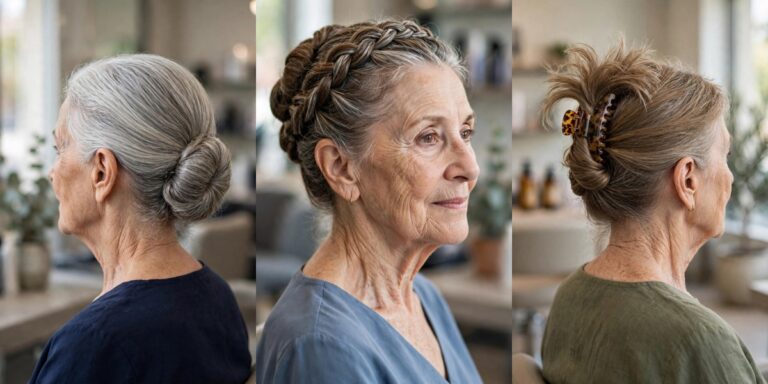
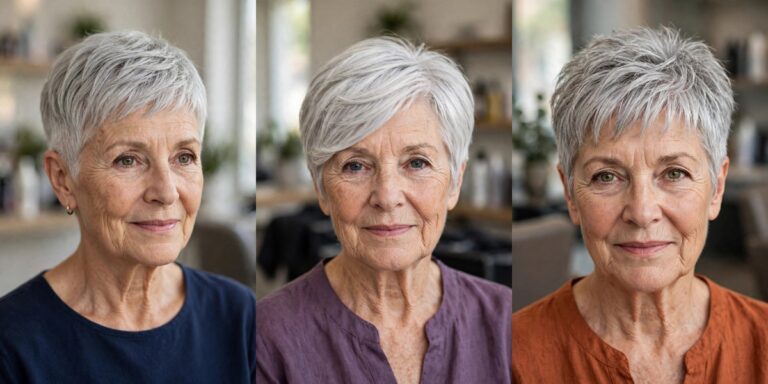
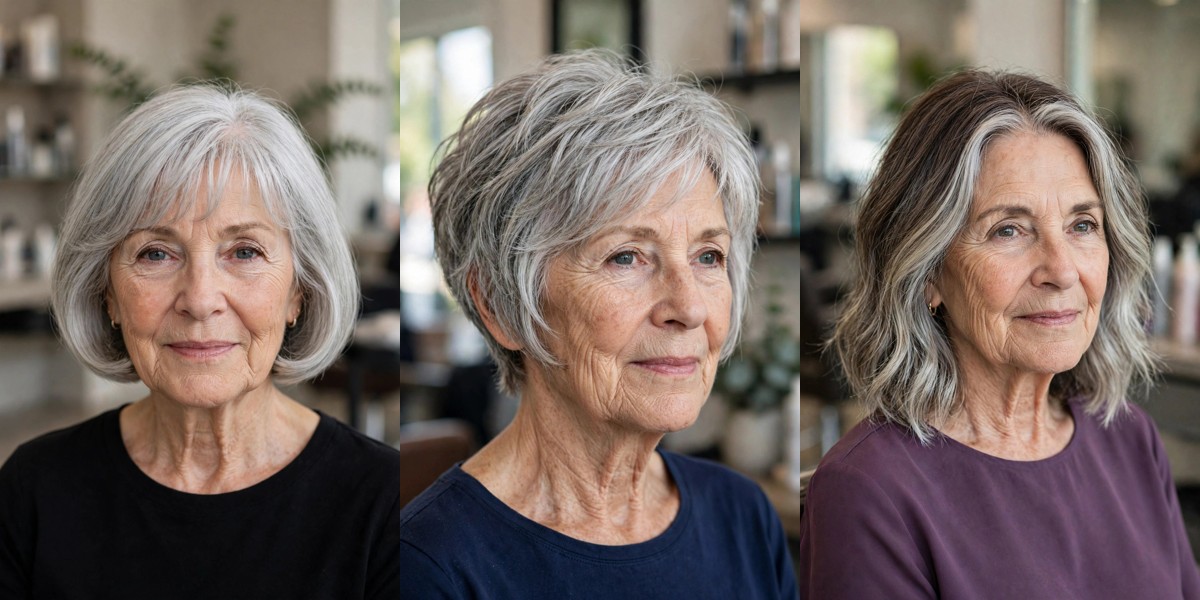
Trendy Haircuts for Women Over 60 in 2026
This post contains affiliate links. As an Amazon associate, I earn from qualifying purchases. I only recommend products that are of high quality and that I would use myself.
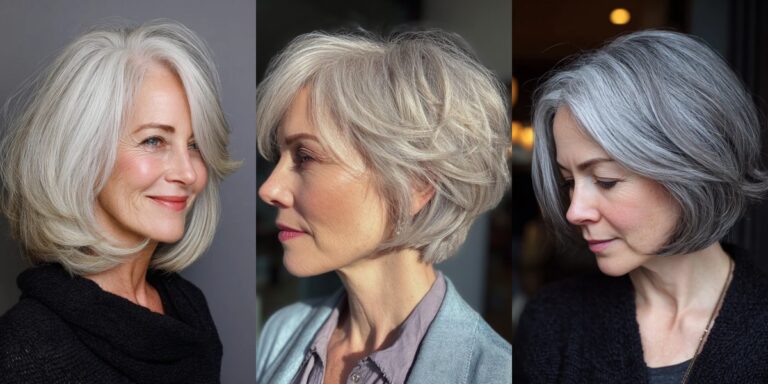
“Trendy” at 60 does not mean borrowing a twenty-year-old’s haircut and hoping. The cuts dominating 2026 — the bixie, the soft shag, butterfly layers, the French bob — are all built on layering, fringe, and texture, and every one of them changes when it meets real 60+ hair: finer strands, lower density at the crown, and gray that has its own wiry texture and its own shine. Copied exactly, some of them fail. Adapted honestly, they are some of the most flattering cuts available.
That adaptation is what this guide does, trend by trend. Each of the 20 cuts below explains what the trend actually is, how it is softened for hair over 60, and the upkeep nobody puts on social media — the real salon interval, the grow-out, and how many minutes it takes on an ordinary morning. If you have seen our sister guide to trendy haircuts for women over 50, this is not that article with the number changed: the cuts here are re-cut for finer texture, gray blending, and lower density, in a different order, for a different head of hair. And if your length is already decided, our shoulder-length layered haircuts for women over 60 goes deeper on that one length.
Table of Contents
- 1. Soft Bixie in Natural Silver
- 2. Modern Soft Shag with a Wispy Fringe
- 3. Butterfly Layers for Medium Hair
- 4. French Bob with a Soft Fringe
- 5. Curtain-Fringe Bob
- 6. Textured Crop Pixie
- 7. Silver-Blend Balayage Lob
- 8. Bob with Wispy Birkin Bangs
- 9. Layered Midi with Face-Framing Pieces
- 10. Choppy Pixie with a Longer Top
- 11. Soft Wolf-Inspired Shag
- 12. Blunt Bob with Bevelled Ends
- 13. Side-Swept Pixie Bob
- 14. Curly Bob in Natural Gray
- 15. Feathered Midi Cut
- 16. Soft Asymmetric Lob
- 17. Long Pixie with a Sweeping Fringe
- 18. Tousled Wavy Lob
- 19. Ghost Layers for Invisible Movement
- 20. The Clavicut with Curtain Layers
- Recommended Products
- FAQs
- Fine or lower-density hair? Blunt edges and short texture fake fullness best — the French bob (idea 4), blunt bob (idea 12), or textured crop (idea 6).
- Growing out your gray? Silver-blend balayage (idea 7) or the wavy lob (idea 18) — both designed around regrowth, not against it.
- Flat crown? Butterfly layers (idea 3), the soft shag (idea 2), or a side-swept pixie bob (idea 13).
- Natural waves or curls? The curly bob (idea 14) or the soft wolf-inspired shag (idea 11).
- Five minutes or less each morning? The crop (idea 6), choppy pixie (idea 10), or curtain-fringe bob (idea 5).
- Not ready to go short? The clavicut (idea 20), layered midi (idea 9), or ghost layers (idea 19) keep your length.
1. Soft Bixie in Natural Silver
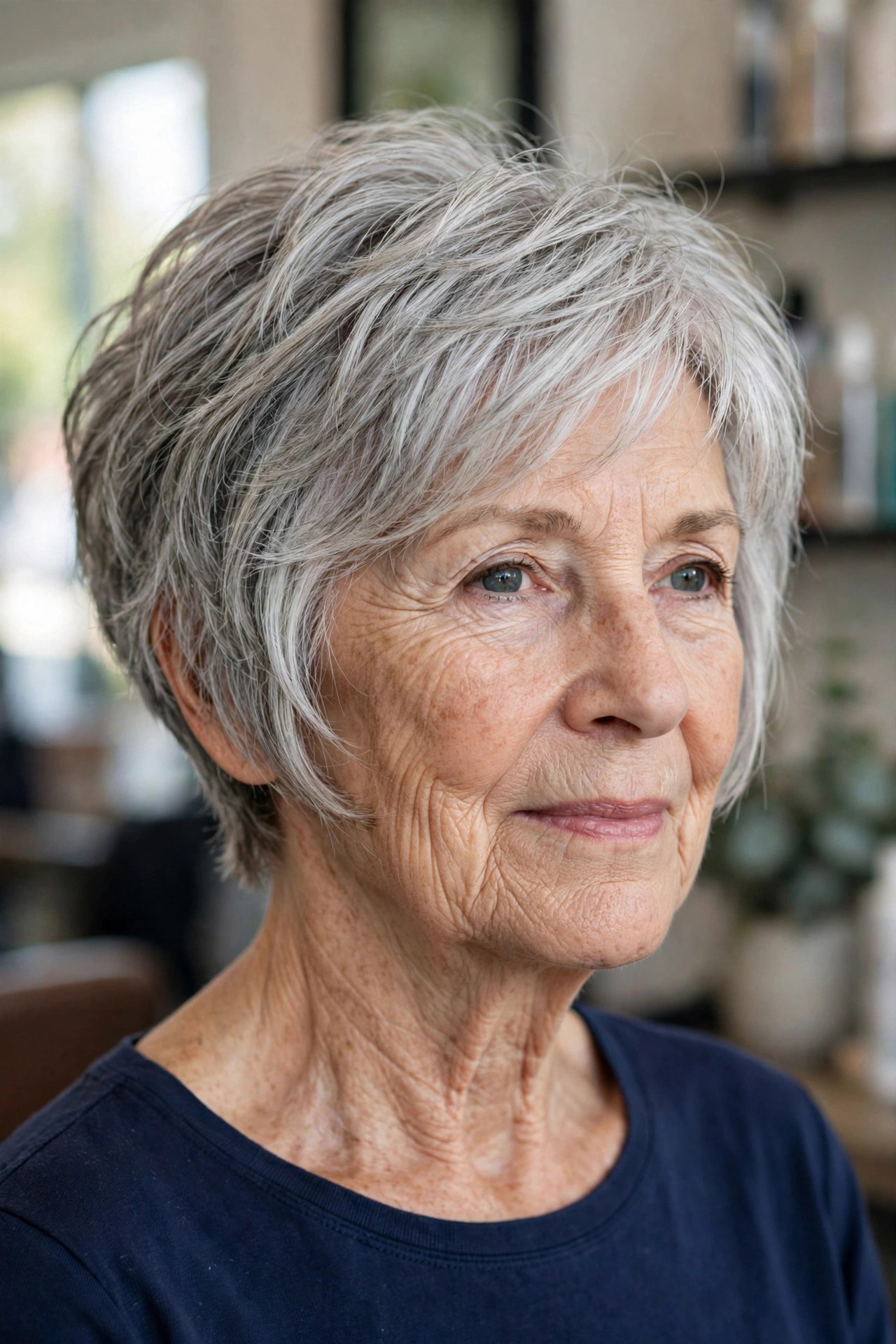
The bixie is exactly what its name promises: a bob and a pixie in one cut. The sides keep bob-like length around the cheeks and jaw, while the nape is cropped and textured like a pixie, so you get the softness of a bob without the heavy back that drags finer 60+ hair flat. In natural silver it looks deliberate and current, not like a compromise.
The 60+ adaptation is softness at every edge: no hard undercut, no razor-sharp nape line, and enough length left on top to sweep forward. Upkeep is honest — the cropped nape needs a tidy every 5 to 6 weeks, but daily styling is about 3 minutes: volumizing mousse at the roots, a quick rough-dry, and your fingers do the rest.


2. Modern Soft Shag with a Wispy Fringe
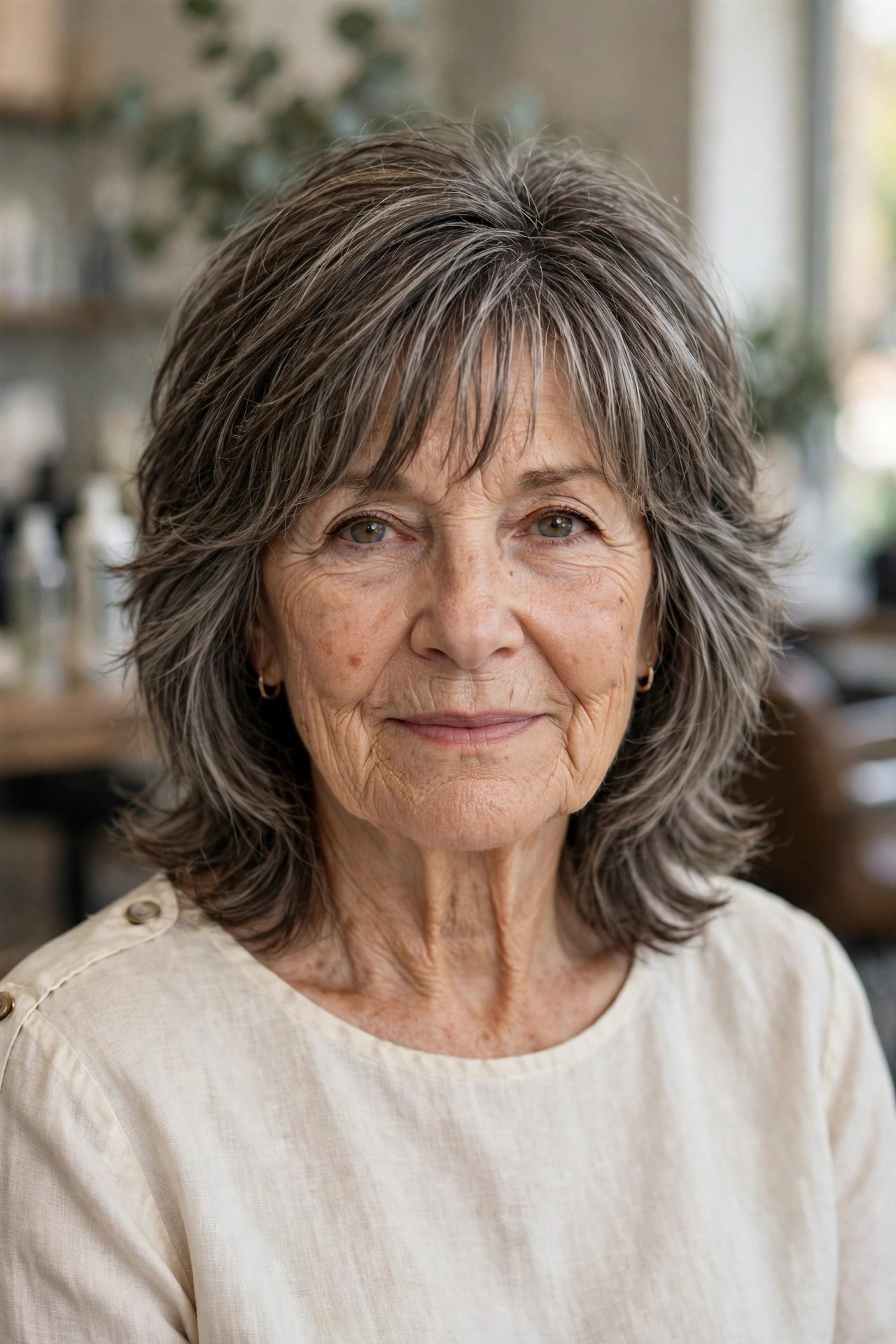
The shag is back in 2026, but the version that works after 60 is not the rock-star original. Layers start higher than a classic cut, the ends are wispy rather than chopped, and a soft fringe replaces the heavy curtain of the seventies version. On salt-and-pepper hair those layers do practical work: they lift a flat crown and break up the line where gray meets darker hair.
Ask for long, blended layers — the word to avoid is ‘choppy’ if your hair is fine, because short choppy layers thin out ends that are already lower in density. Grow-out is this cut’s gift: it still looks intentional at week eight. Daily styling is 5 minutes with texture spray scrunched into damp hair, or a rough blow-dry if you prefer it smoother.


3. Butterfly Layers for Medium Hair
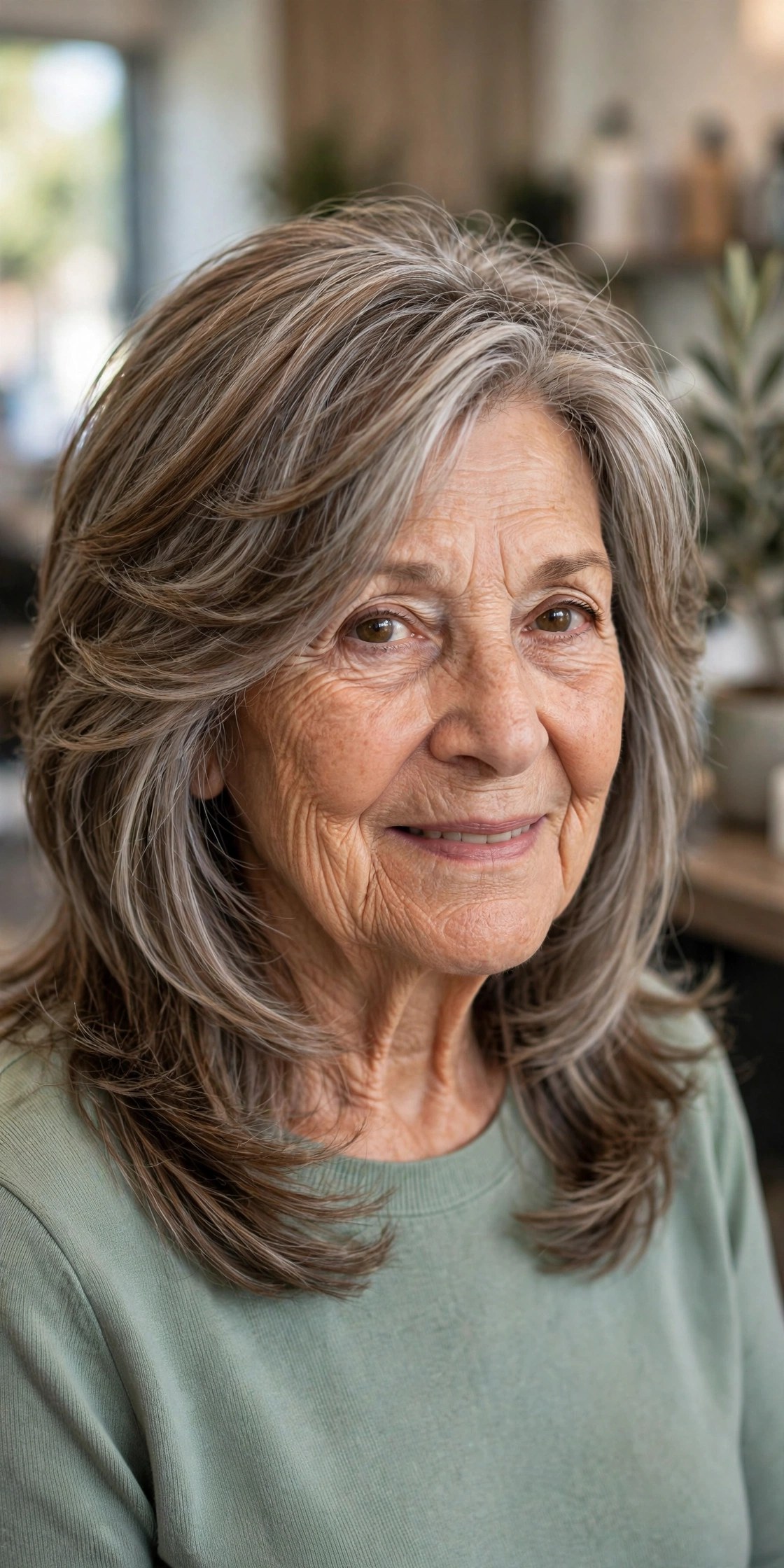
Butterfly layers pair short, lifting layers at the crown with long cascading layers through the lengths, parted so the front pieces wing back like the shape the cut is named for. For women over 60 it solves a specific problem: you keep the length you love, but the top no longer lies flat and heavy against the scalp by midday.
Be honest with your stylist about density. If your hair is fine, the short crown layers should stay longer and fewer, or the top will look separated from the lengths. This cut asks for a blow-dry to show its shape — about 8 to 10 minutes with a round brush — and a trim every 7 to 8 weeks to keep the two layer lengths working together.


4. French Bob with a Soft Fringe
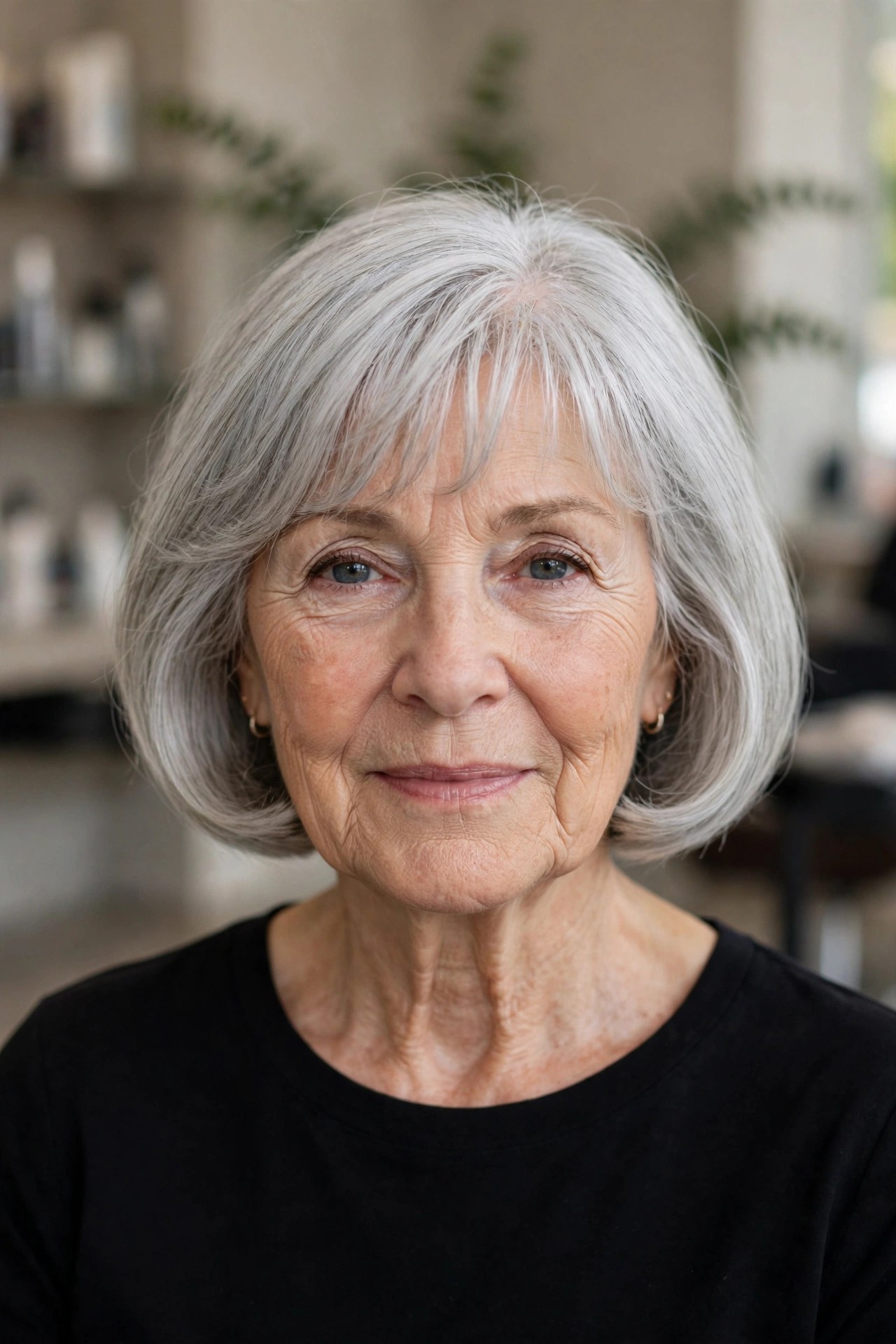
The French bob sits at the jaw, follows the cheek line, and is worn with a fringe that looks grown-in rather than cut yesterday. It is one of the most requested trendy haircuts for women over 60 in 2026 because the jaw-level perimeter makes fine hair look denser — a blunt-ish edge always reads thicker than a tapered one.
The adaptation for 60+ hair is in the fringe: keep it wispy and slightly uneven, never a solid shelf, and keep the ends bevelled rather than ruler-straight so the line stays soft against the face. Salon visits run every 6 weeks to hold the jaw line; at home it is a 5-minute smooth blow-dry, or air-dried with a little anti-frizz serum if your texture allows.


5. Curtain-Fringe Bob
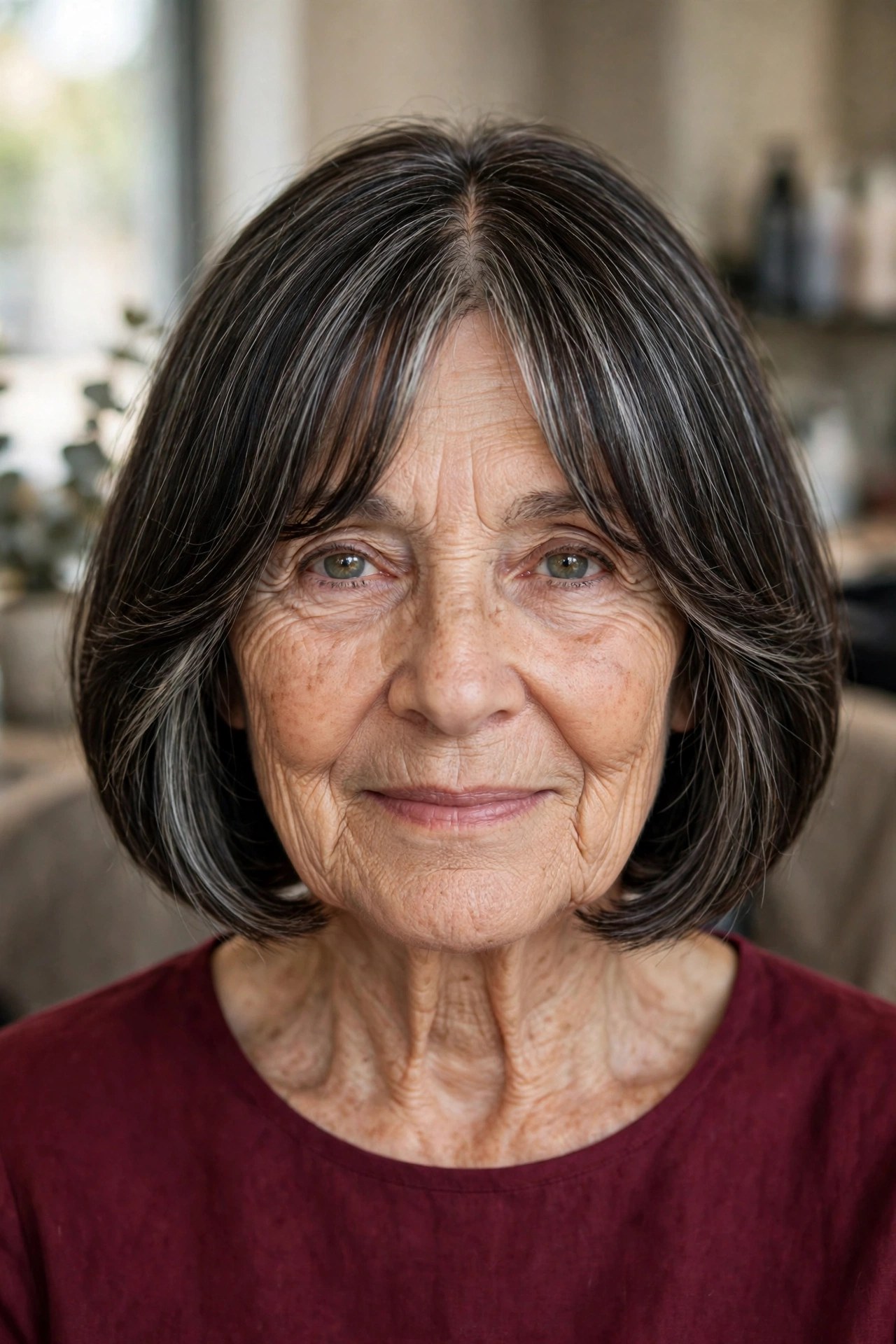
Take a classic chin-length bob and open it up with a center-parted curtain fringe that sweeps to the cheekbones, and you have the most wearable trend of the year. The curtain softens the forehead, frames the eyes, and — practically — grows out without an awkward stage, because it simply becomes face-framing layers.
On silver-streaked dark hair like this, the curtain pieces catch light right at the face, which is where you want the brightness. If you wear glasses, tell your stylist: the curtain should end at the cheekbone, not tangle with your frames. Expect a trim every 6 to 7 weeks and about 5 minutes of styling — dry the fringe first, forward then apart, before it sets.


6. Textured Crop Pixie
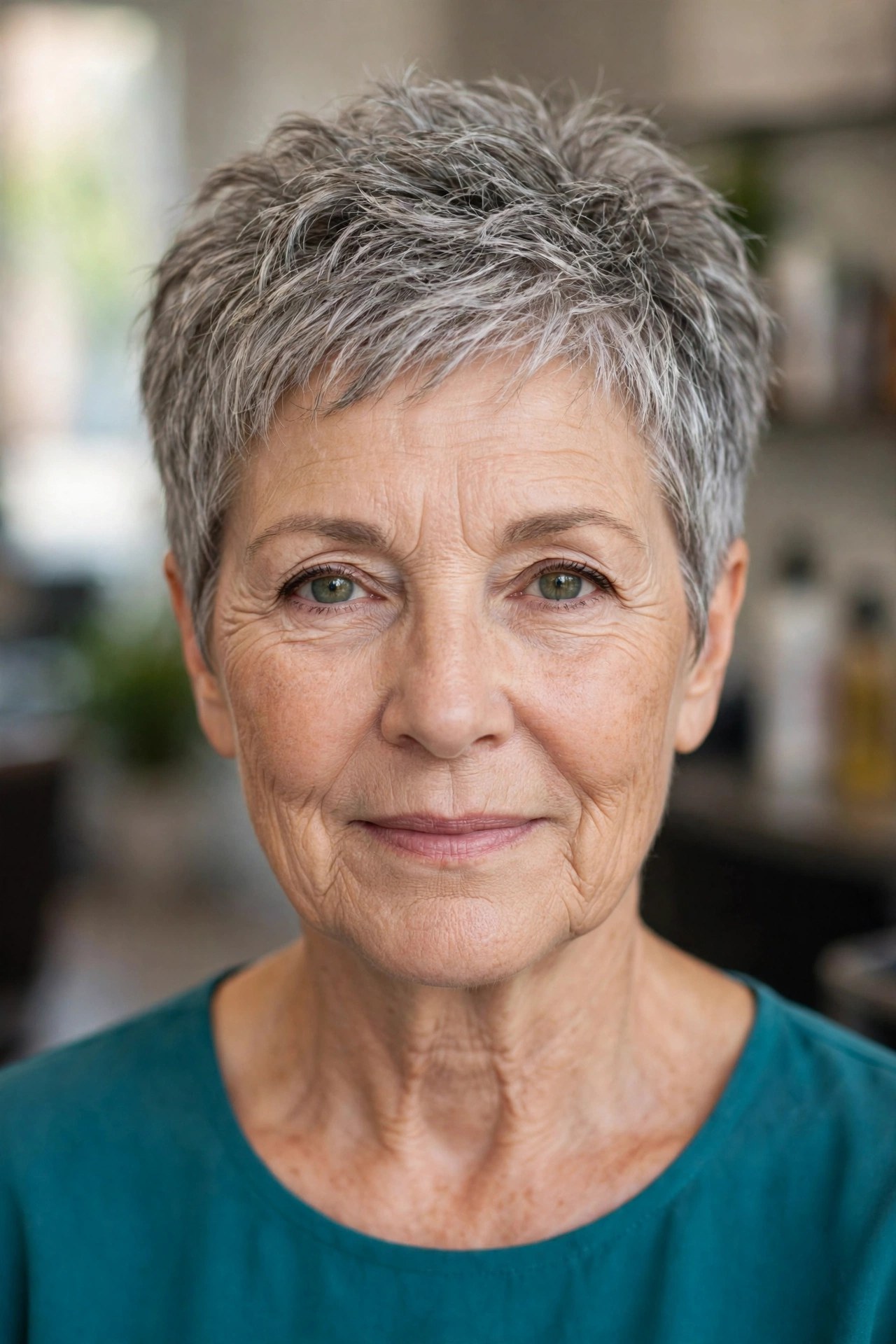
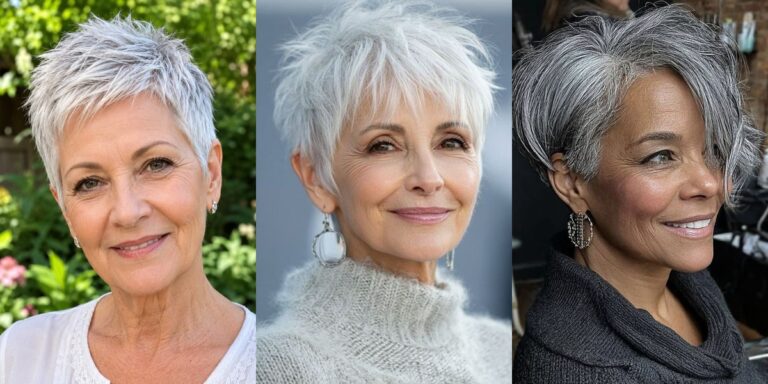
The crop is the shortest cut in this list and the most honest about upkeep: there is nowhere for tired ends to hide. Short tapered sides and a piecey, textured top give fine gray hair the one thing it struggles to fake — the appearance of density — because short hair stands up instead of lying down and separating.
This is a salon-interval cut, not a daily-styling cut. The shape needs re-cutting every 4 to 5 weeks or it grows into a soft helmet, but your mornings are 2 minutes: a pea-size amount of texturizing putty through dry hair. If you are comparing short options, our pixie cuts guide shows how the crop differs from longer pixie shapes.

7. Silver-Blend Balayage Lob
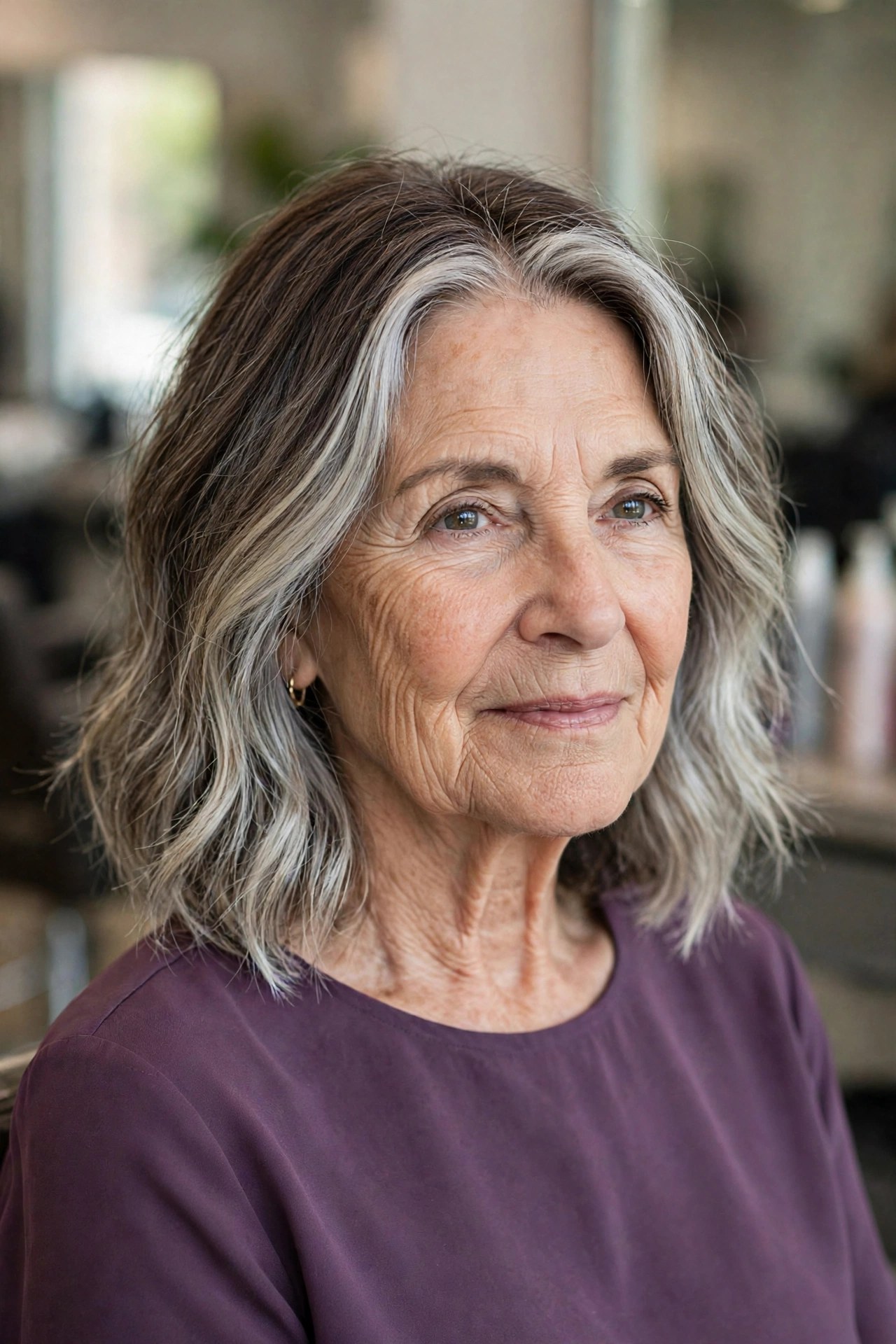
This is a color story as much as a cut. The lob — a long bob — is painted with silver and soft gray balayage that melts into your natural root, so instead of fighting gray regrowth every three weeks, the color is designed around it. It is the lowest-maintenance color approach in this entire guide.
The honesty part: balayage costs more on the day, then asks very little — a gloss refresh every 8 to 10 weeks and a purple shampoo once a week to keep the silver clean rather than yellow. The lob itself needs a trim every 7 weeks. Daily styling is a loose wave with a hot-air brush, about 7 minutes, or worn straight on days you cannot be bothered.


8. Bob with Wispy Birkin Bangs
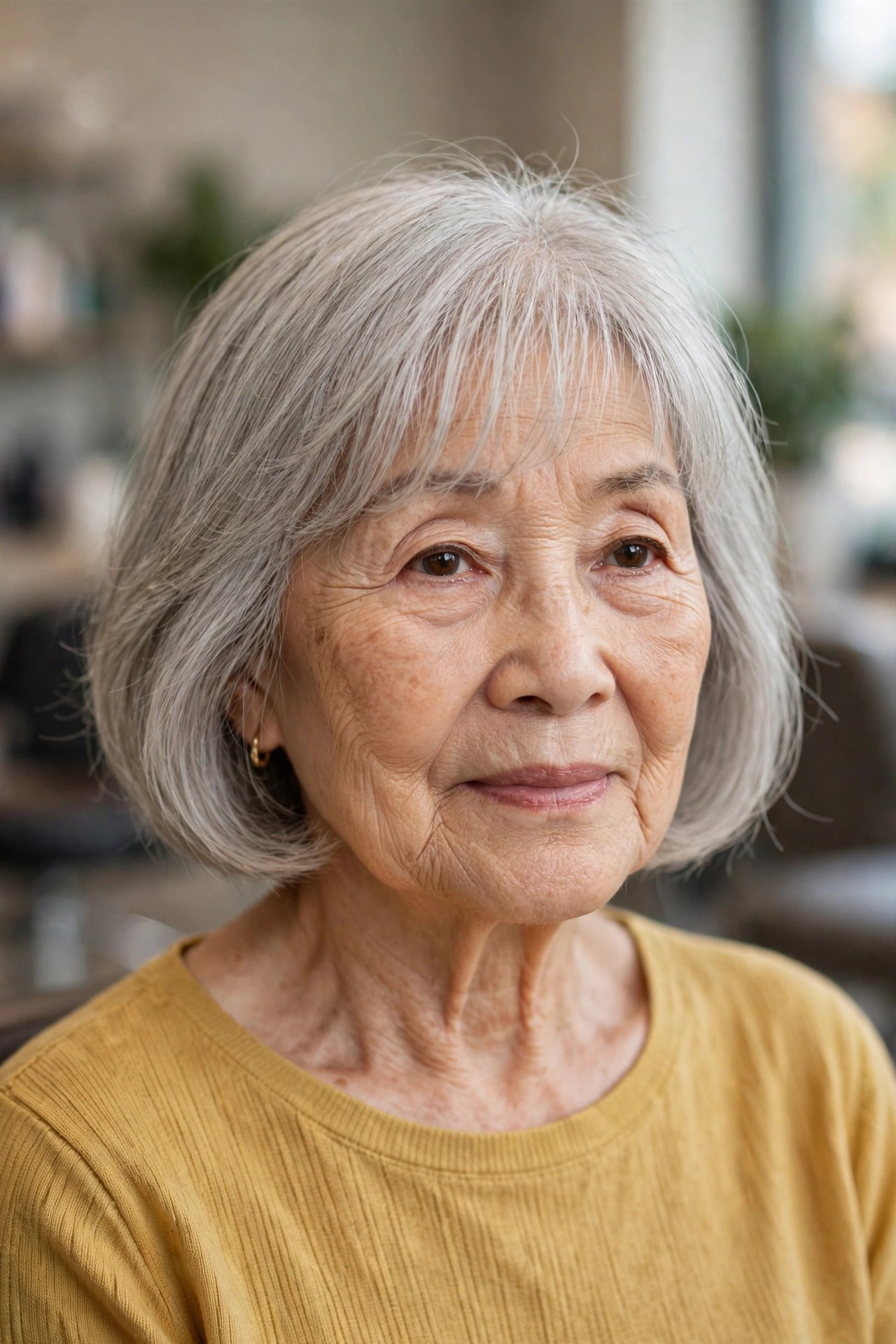
Birkin bangs are sheer, see-through, and slightly too long on purpose — the opposite of a blunt fringe. Paired with a soft chin-length bob, they give fine silver hair a current, French-inflected shape while asking almost nothing in return, because a wispy fringe never shows its grow-out line the way a solid one does.
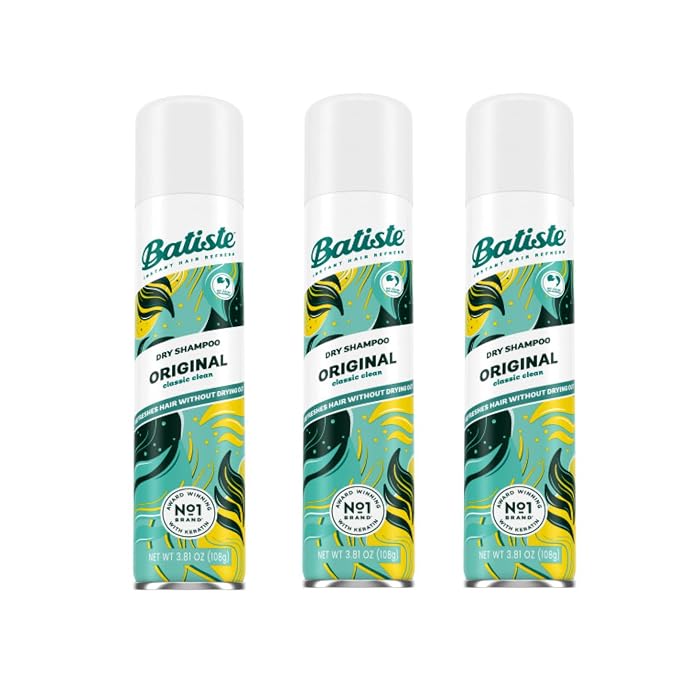
Two realities to plan for. First, wispy bangs pick up skin oil faster than the rest of your hair, so a touch of dry shampoo at the fringe roots on day two is part of the routine. Second, the fringe trim is quick — many salons do bang trims free between full appointments every 6 weeks. Styling is 4 to 5 minutes; the bob itself is deliberately undone.
9. Layered Midi with Face-Framing Pieces
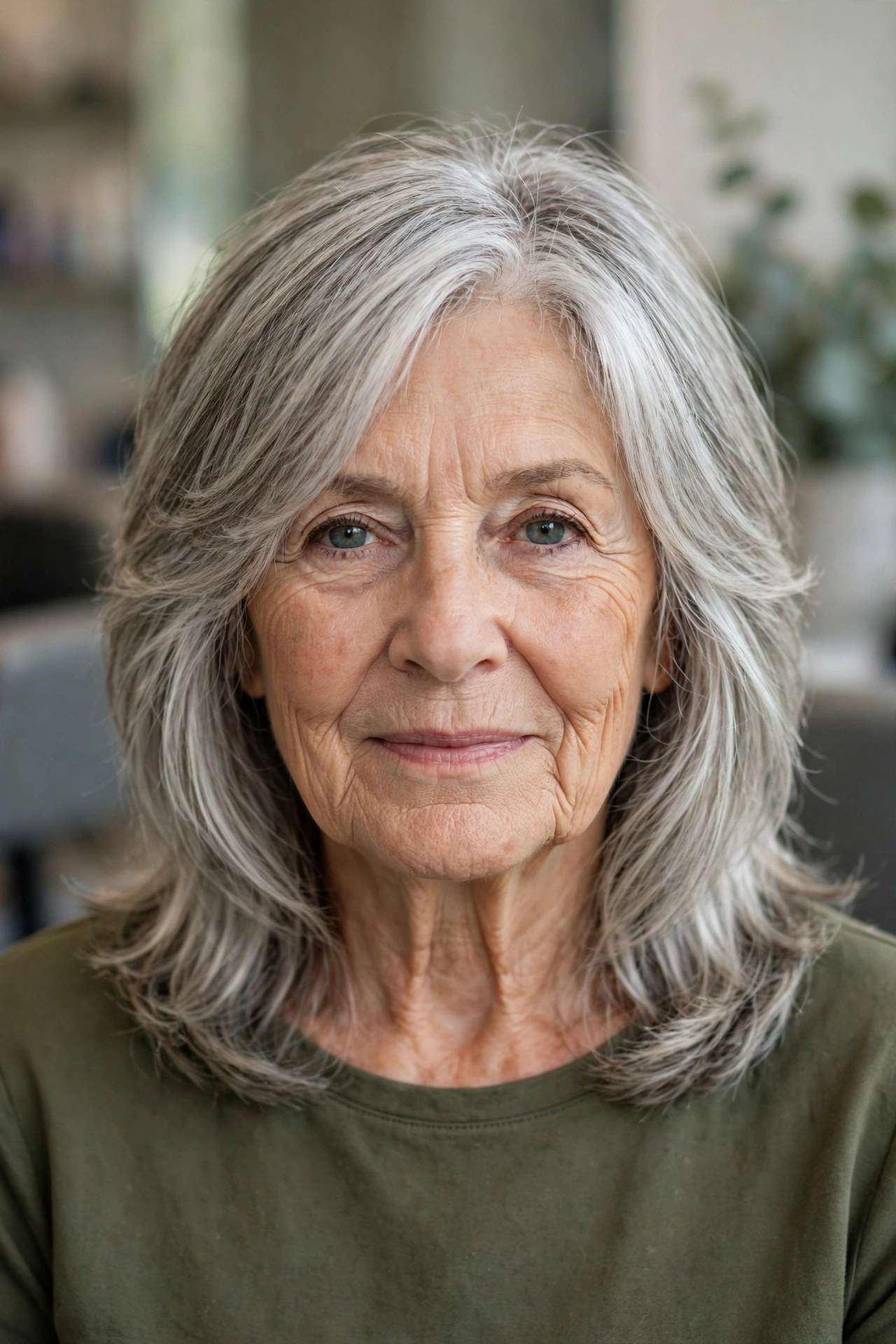
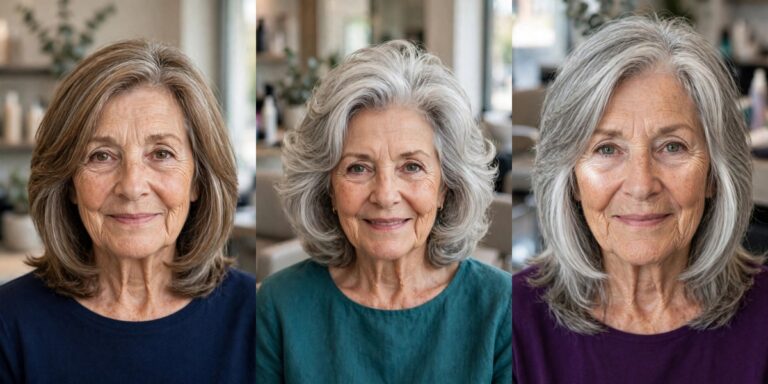
The midi sits between bob and long hair — around the collarbone — and in 2026 it is cut with long face-framing layers that start at the cheekbone. For women over 60 growing out a shorter cut, or not ready to give up length, it is the trend that asks the least sacrifice: movement at the front, fullness kept through the back.
Keep the back layers long and sparse. Fine hair at collarbone length cannot afford heavy layering through the ends, or they turn see-through — the framing belongs at the front only. Trims every 7 to 8 weeks; styling runs 6 to 8 minutes with a round brush on the front pieces, and the length still goes up into a claw clip on off days.

10. Choppy Pixie with a Longer Top
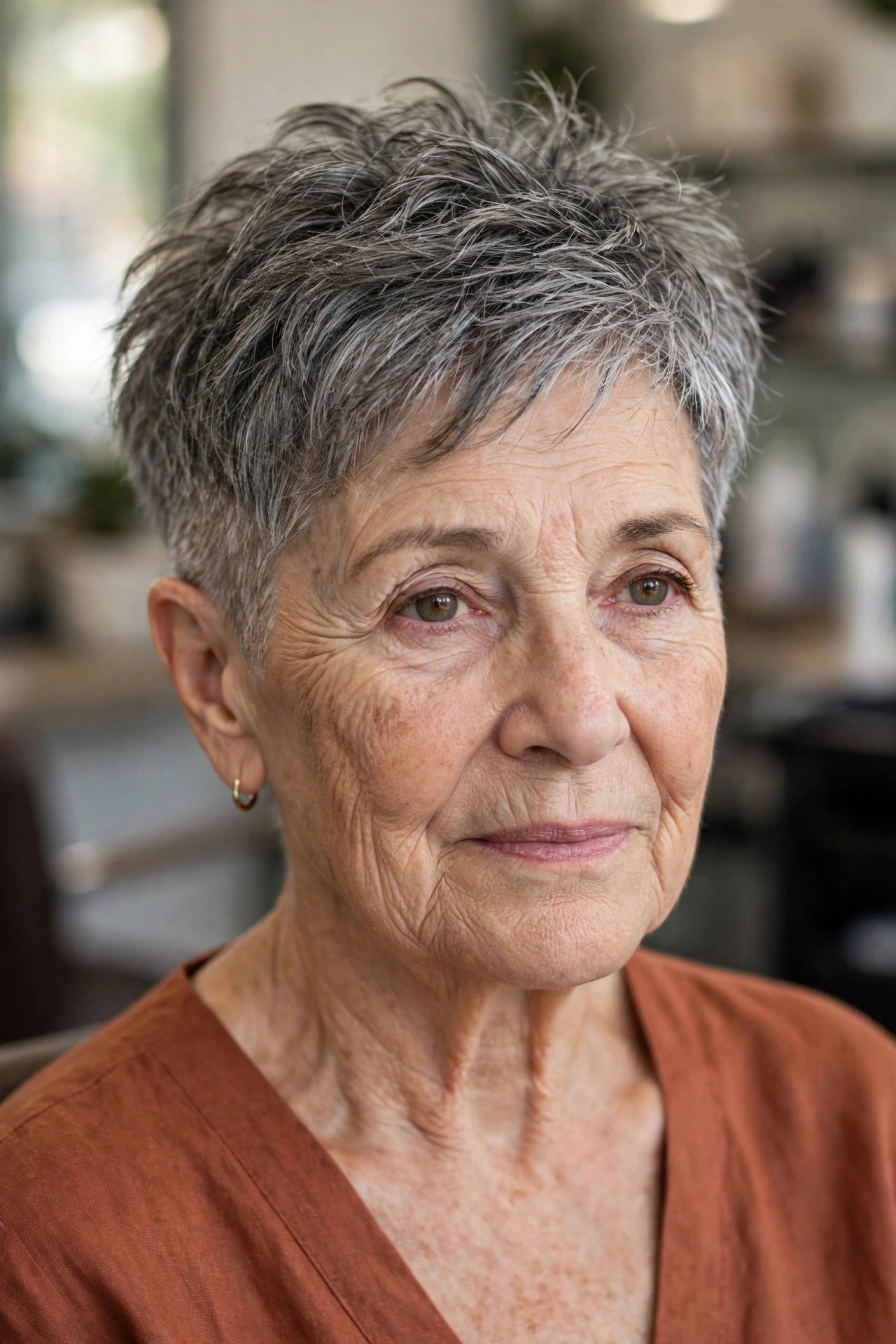
Where the crop (idea 6) is neat, the choppy pixie is deliberately piecey: short sides, a longer textured top, and point-cut ends that separate into defined pieces. That separation is flattering on lower-density hair because each piece casts a small shadow, and the eye reads texture as fullness.
Product restraint is the whole skill here — too much putty and the pieces clump into spikes; a pea-size amount, warmed between fingertips and pinched only into the ends, is enough. The top grows out gracefully for about 5 weeks before it needs the sides tidying. Mornings take 3 minutes, and day-two hair revives with dry shampoo at the crown.
11. Soft Wolf-Inspired Shag

The wolf cut went viral on much younger heads; this is its grown-up translation. The signature is still there — shorter layers crowning the top, longer wispy lengths below, a soft fringe — but every contrast is turned down: the layers blend instead of stepping, and the ends are feathery, not shredded.
It suits wavy hair best, because the shape is designed to look good slightly undone, and it is one of the most forgiving grow-outs in this list at 8 weeks between cuts. The caution is for very fine hair: ask for the crown layers longer, or the top separates. Style by scrunching texture spray into damp hair — 4 minutes, no round brush required.

12. Blunt Bob with Bevelled Ends
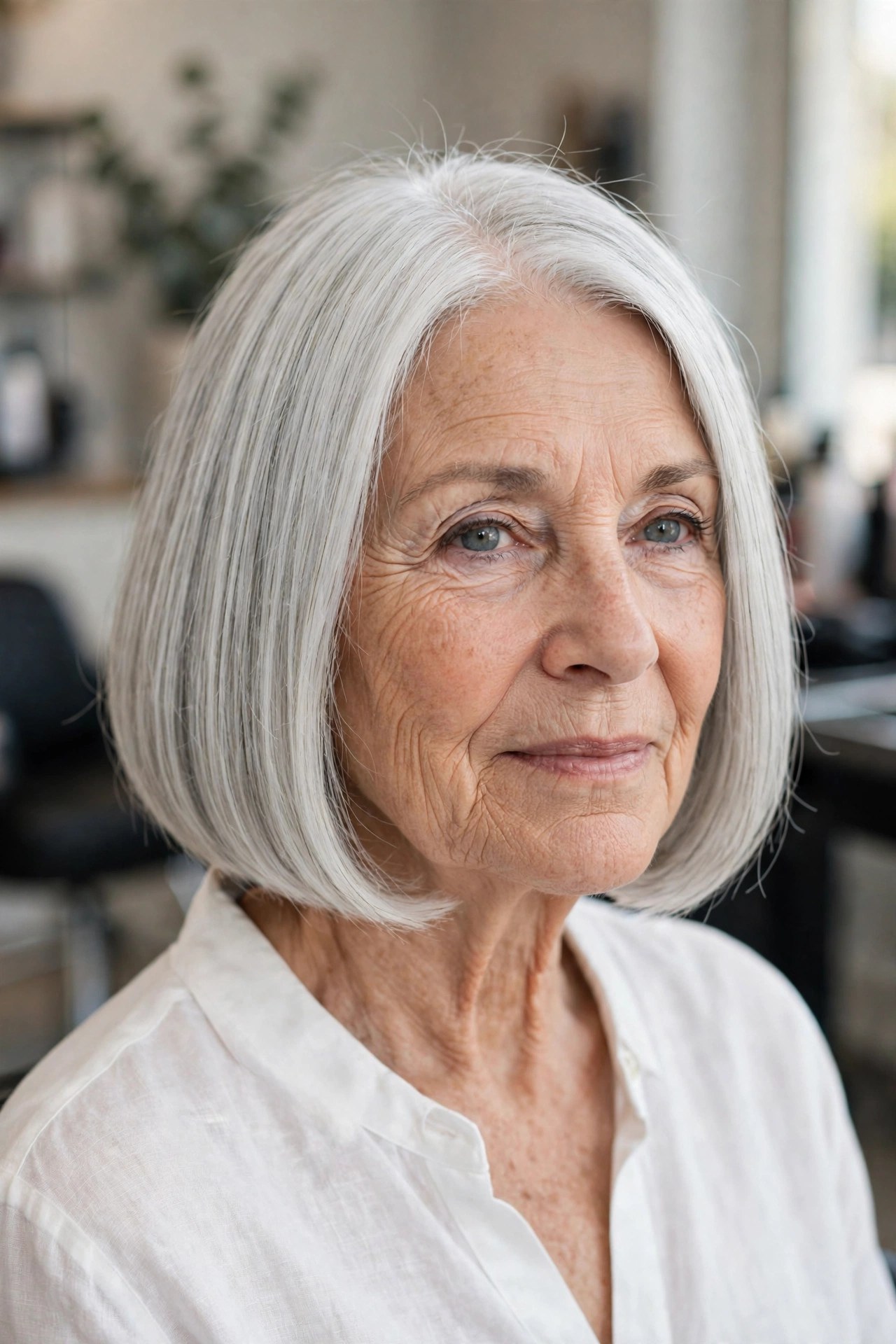
One length, cut blunt, with the last half-inch bevelled so the ends turn softly under instead of kicking out. On bright silver hair this is the most polished look in the guide, and the blunt perimeter is doing quiet structural work: it is the fullest-looking edge a fine head of hair can have.
Precision is the price. A blunt line shows uneven growth, so plan on a trim every 5 to 6 weeks, and expect about 6 minutes of blow-drying to keep the bevel smooth — a flat iron only on the days you want it extra sleek, always over heat protection. In return, it never really goes out of date, and silver this clean needs only a weekly purple shampoo to stay bright.

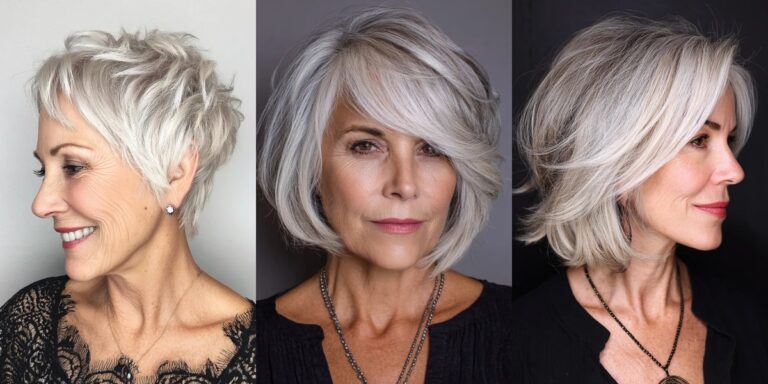
13. Side-Swept Pixie Bob
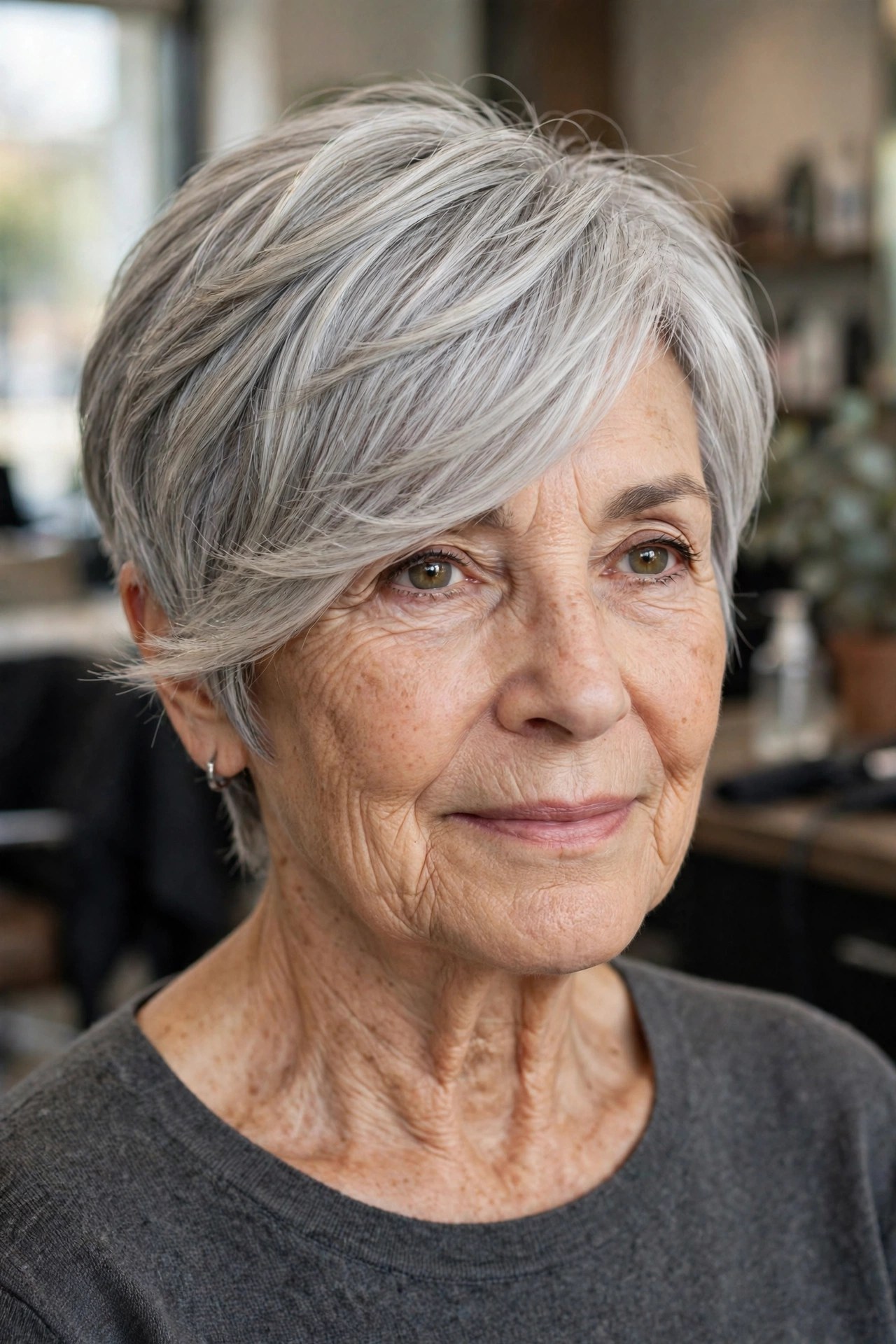
A pixie bob built around one long sweeping fringe: the back and sides are cropped close, while the top length is left long enough to sweep diagonally across the forehead. That single diagonal is flattering engineering — it adds height on the heavy side, softens the hairline, and draws the eye across rather than down.
Train the sweep while the hair is damp; mature hair tends to dry where it is placed and resist being moved later. The fringe needs trimming every 5 weeks or it reaches your eyes, though the cropped back can stretch to 6. Daily styling is about 4 minutes with a small round brush, or fingers and a little mousse on rushed mornings. More bob variations live in our bob haircuts guide.
14. Curly Bob in Natural Gray

Natural curls cut into a rounded bob, worn in their true gray, are one of 2026’s defining looks — and one of the kindest to aging hair, because curl pattern disguises lower density better than any straight style can. Rounded layers keep the shape balanced instead of triangular, with each curl sitting on its own shelf.
Insist on a dry cut or at least a dry finishing check: curls spring up when dry, and a bob cut wet can land two inches shorter than planned. Gray curls are drier than pigmented ones, so the routine is moisture first — curl cream on soaking-wet hair, then hands off until dry. Trims every 8 weeks hold the round shape; daily effort is a 2-minute refresh with wet hands.


15. Feathered Midi Cut
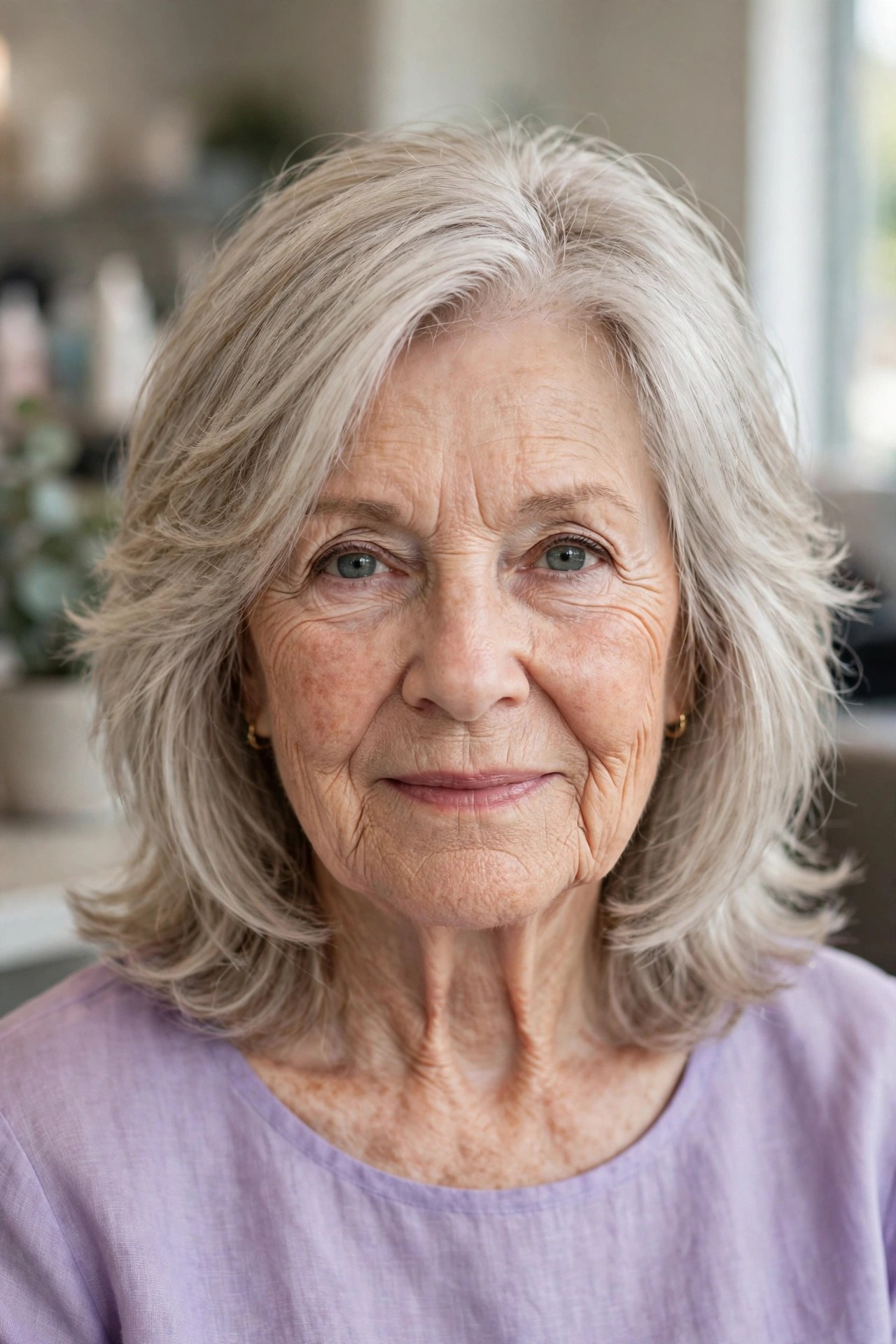
Feathering brushes fine, blended layers back and away from the face so each one overlaps the next. At midi length it gives straight-to-wavy silver-blonde hair lift and movement without removing the length, and it finishes in a soft outward flick that keeps the whole shape from hanging.
This is a blow-dry cut — feathering shows best when the layers are dried up and back with a round brush, about 8 minutes — though it tolerates an air-dried day better than its polished reputation suggests. Layers this blended grow out softly over 7 to 8 weeks. A light, brushable hairspray holds the flick; a strong one freezes it, which is not the look.
16. Soft Asymmetric Lob
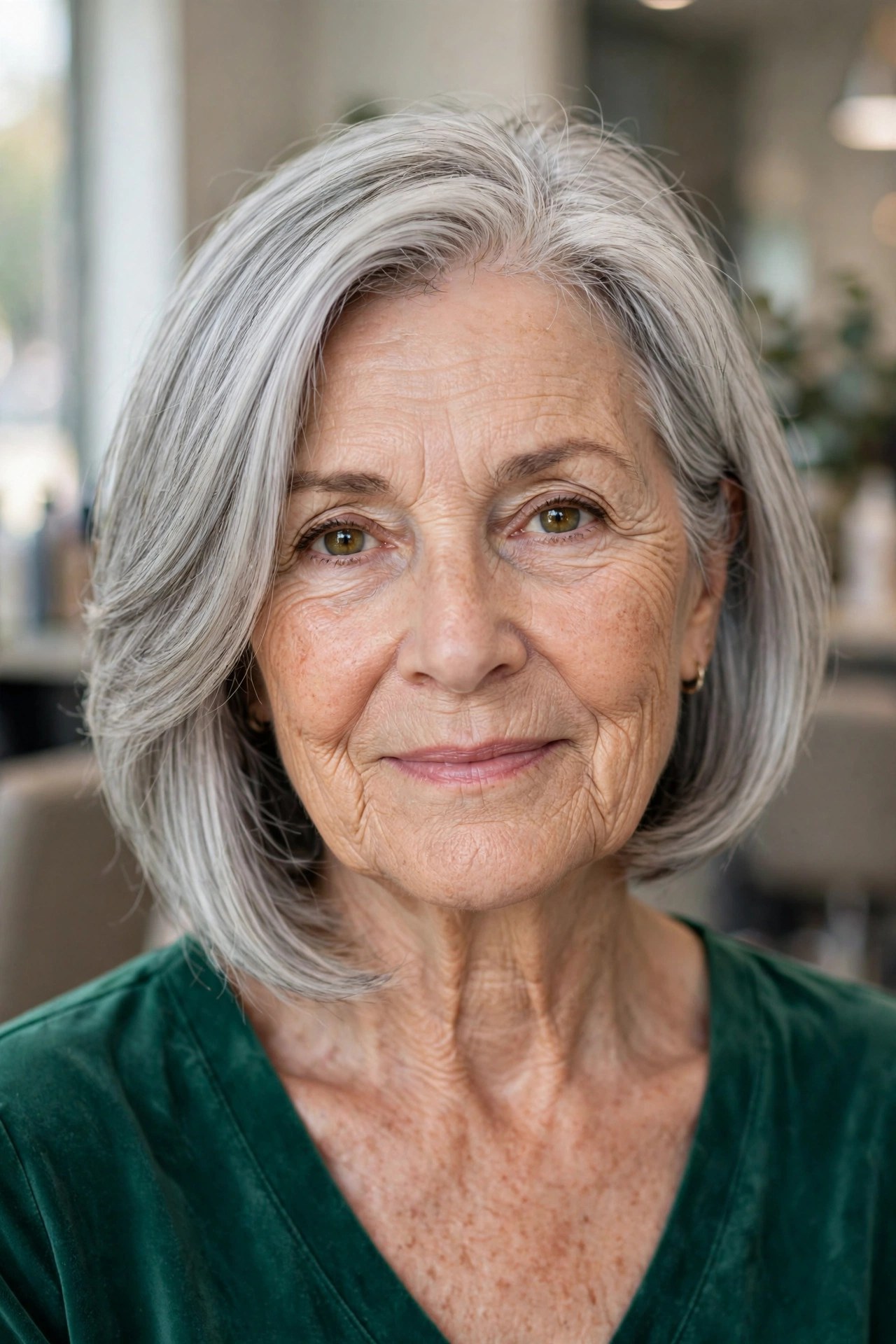
Asymmetry after 60 should whisper, not shout: this lob is a fraction longer on one side, with the part placed off-center so the longer side sweeps across. It reads modern and intentional, while the difference is small enough that the grow-out never looks like a mistake.
The practical benefit is styling flexibility — the longer side can be tucked, pinned, or swept back for three slightly different looks from one cut. Keep the length difference to about an inch; more than that fights fine hair and shows every uneven week of growth. Trims every 6 to 7 weeks, and about 6 minutes of styling with a hot-air brush.
17. Long Pixie with a Sweeping Fringe
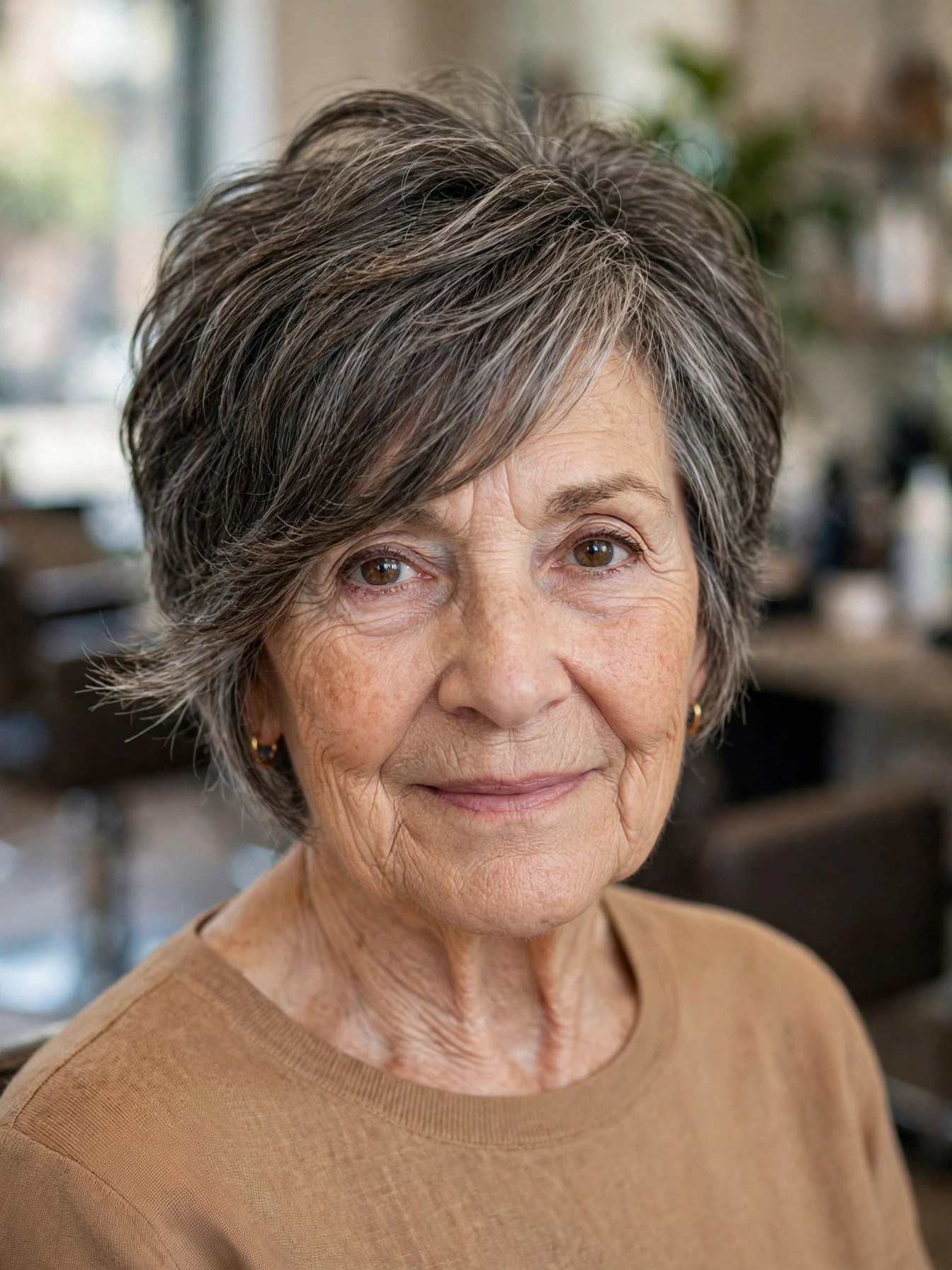
The long pixie keeps pixie-short sides and back but leaves real length through the top and fringe — enough to sweep, tuck behind an ear, or wear forward. For women transitioning from a bob, it is the lowest-regret way to go short, because the face-framing length you are used to is still there.
Be clear-eyed about the fringe: it is the fastest-growing, most visible part of the cut, and it will want a tidy every 4 to 5 weeks even if the rest could wait. The reward is versatility no other short cut here matches. Styling runs 4 to 5 minutes; a mini flat iron on the fringe only, over heat protection, sharpens it for evenings out.

18. Tousled Wavy Lob
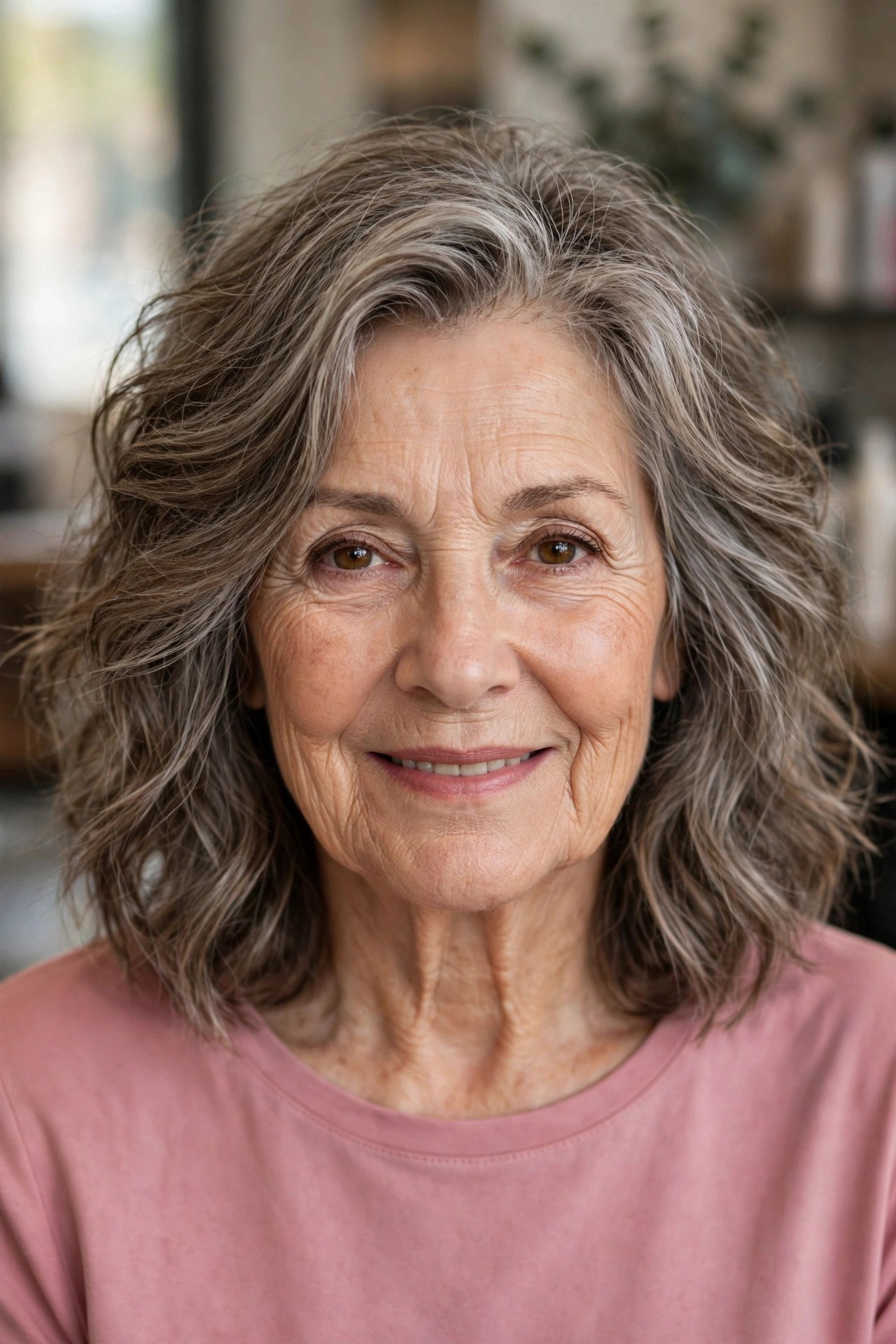
The wavy lob is the lob with its polish deliberately loosened: soft layers, a natural wave, and ends that are piecey rather than perfect. On silver-blended hair the wave pattern breaks up the gray beautifully, mixing light and darker strands so no flat line of regrowth ever forms.
This is the friendliest cut here for women who hate styling. Sea-salt spray scrunched into damp hair and air-dried gets you 80 percent of the look in zero minutes; a hot-air brush for 6 minutes gets the rest. The layers need refreshing every 7 to 8 weeks, and sleeping on a satin pillowcase keeps day-two waves from roughing up overnight.
19. Ghost Layers for Invisible Movement
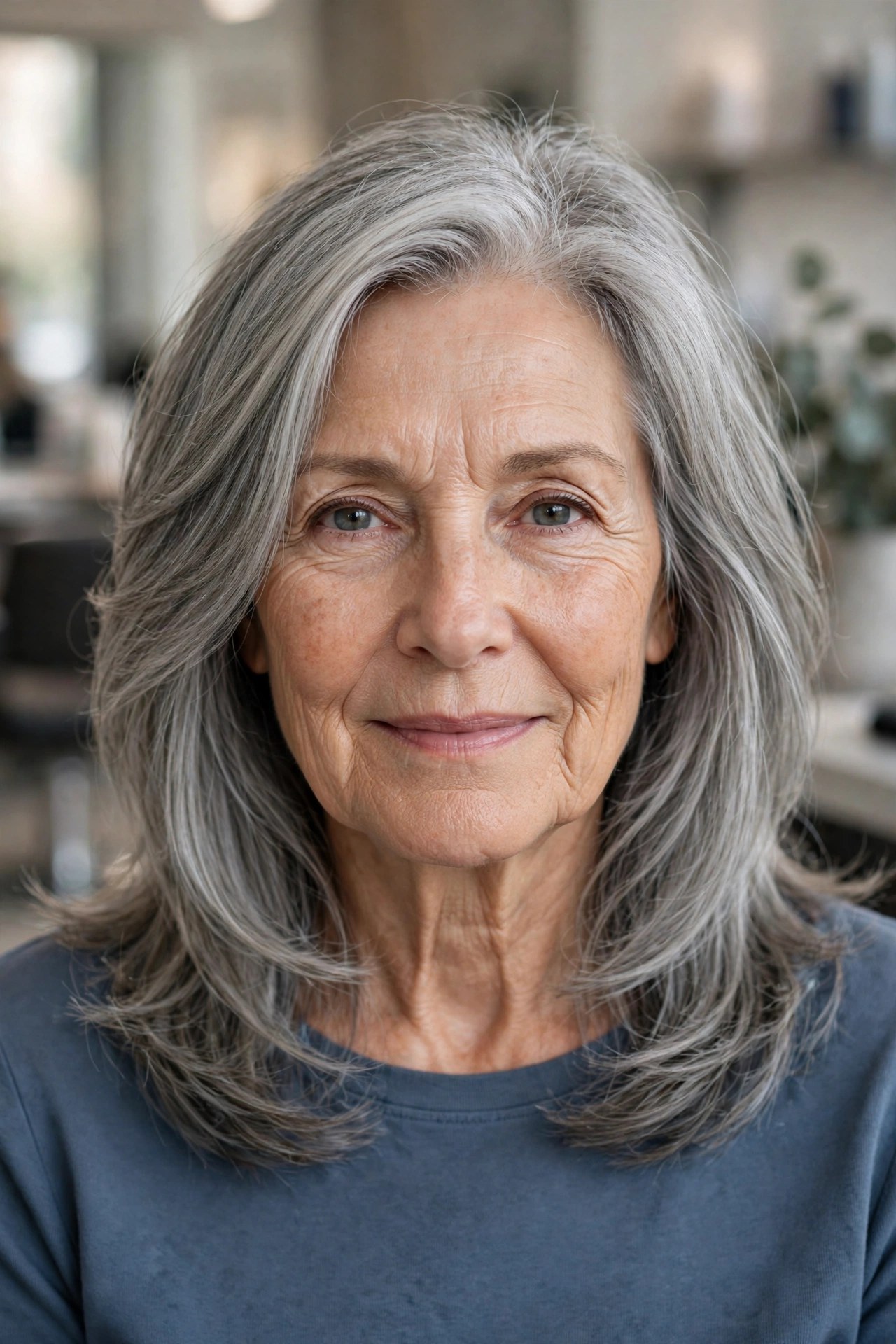
Ghost layers are cut inside the hair, not on its surface: internal layers remove weight and create movement that you can see when the hair swings but cannot point to when it hangs still. For women over 60 whose hair has gone flat and heavy-looking without actually being thick, it is the most discreet trend in this list.
Ask your stylist specifically for internal or invisible layers — the technique matters more than the name. Because nothing is removed from the surface, the ends keep their fullness, which is exactly what finer hair needs. Grow-out is gentle over 7 to 8 weeks, and styling is whatever you already do, about 5 minutes; the layers simply make the result move better.

20. The Clavicut with Curtain Layers
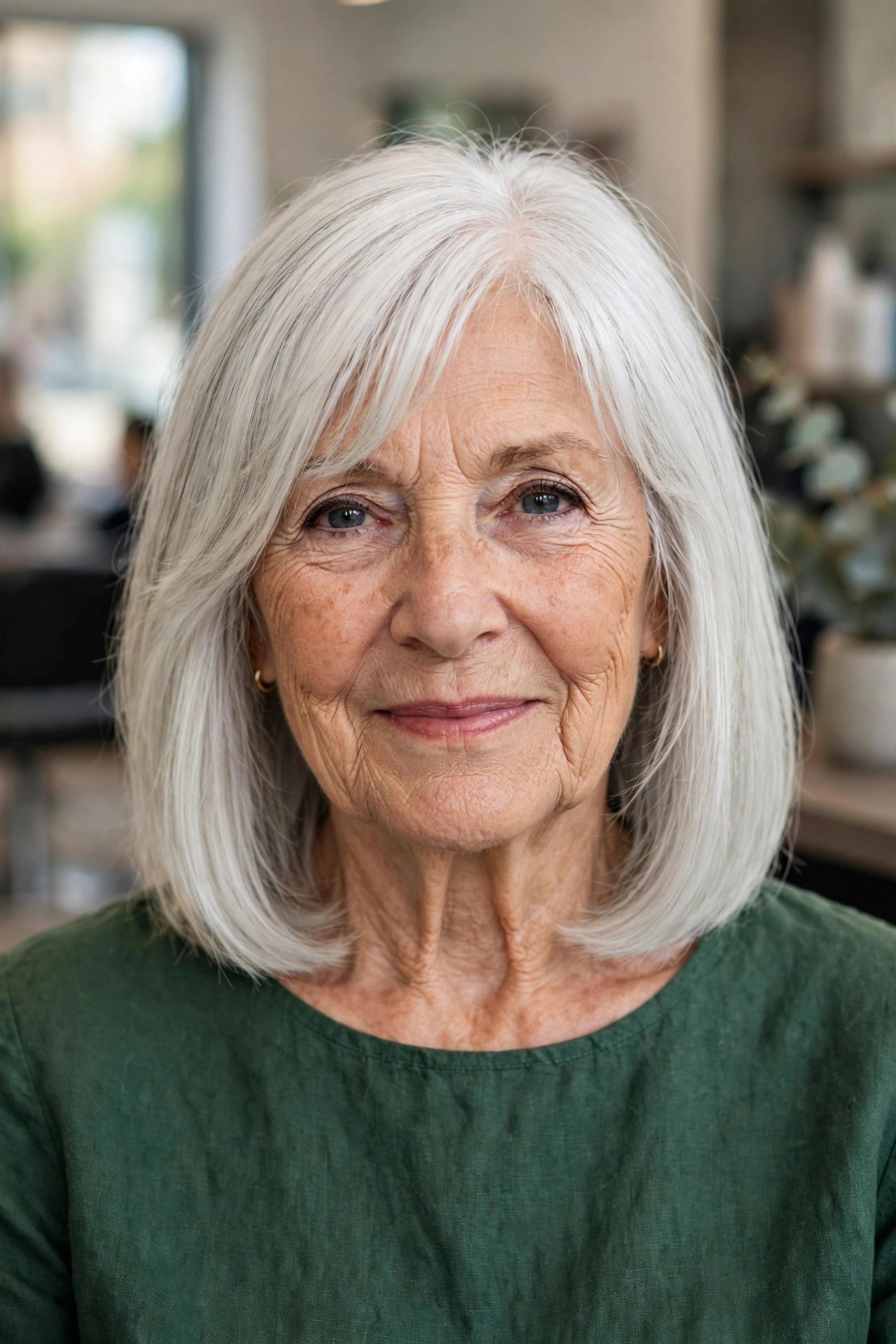
The clavicut — named for the clavicle it rests on — closes this list because it is the trend most likely to still look right in five years. A clean, mostly blunt perimeter at collarbone length gives fine hair its fullest possible outline, while soft curtain layers at the front keep it from reading severe.
It is also the most practical length here: long enough for a low ponytail or a claw clip, short enough to dry in about 8 minutes. The blunt perimeter wants a trim every 7 weeks to stay clean, and bright silver-white hair like this needs a weekly purple shampoo and an occasional gloss to keep its shine. If shorter is tempting you instead, our short hairstyles guide covers the next step down.

Recommended Products
These are the six products that came up again and again across the 20 cuts above — the ones worth owning whichever trend you choose. The mousse and the purple shampoo are the two non-negotiables for fine, silver hair; the rest earn their place by saving styling time.
- ☐ Book the trim before you leave the salon — trendy shapes live or die on their interval, and 5–8 weeks passes faster than you think.
- ☐ Use volumizing products at the roots only; conditioners and oils on the crown collapse fine hair by midday.
- ☐ Keep a purple shampoo in weekly rotation if your hair is silver or gray-blended — brassiness ages a cut faster than grow-out does.
- ☐ Always use heat protection, and keep irons on a moderate setting: gray hair scorches and yellows at temperatures pigmented hair tolerates.
- ☐ Refresh with dry shampoo at night, not in the morning — it absorbs oil while you sleep and protects next-day volume.
- ☐ Sleep on a satin pillowcase to keep fringes and layers smooth and reduce breakage on finer ends.
- ☐ Bring photos of the cut on a woman your age — including from this page — so “soft” and “textured” mean the same thing to you and your stylist.
Frequently Asked Questions
What is the most trendy haircut for women over 60 in 2026?
The soft bixie and the modern shag lead the 2026 lists, with butterfly layers and the French bob close behind. The common thread is movement — layered, fringed, textured cuts have replaced both the set helmet styles and the severe one-length cuts. The best choice depends less on the trend ranking than on your texture: fine hair does best with the blunt-edged bobs, wavy hair with the shags.
Can women over 60 wear the same trendy cuts as younger women?
Yes, with adjustments — and the adjustments matter. Trendy cuts are usually designed on thick, dense hair, so on finer 60+ hair the layers need to be longer and fewer, fringes sheerer, and contrasts softer. A good stylist translates the trend rather than copying it, which is why every idea in this guide states its adaptation explicitly.
Which trendy haircut is best for fine, thinning hair over 60?
Blunt perimeters and short texture. The French bob and the blunt bob make ends look their fullest because nothing is tapered away, while the textured crop and choppy pixie create the appearance of density through separation. Avoid heavy layering through the ends of longer cuts — it is the fastest way to make fine hair look thinner.
How do I blend gray hair into a trendy cut instead of covering it?
Silver-blend balayage is the lowest-maintenance route: silver and gray tones are painted through the hair so your natural regrowth becomes part of the design, with gloss refreshes every 8 to 10 weeks instead of root touch-ups every 3. Texture helps too — wavy and layered cuts mix light and dark strands so no hard regrowth line forms.
How often do trendy haircuts need trimming after 60?
Shorter and more precise cuts need the salon most: crops and pixies every 4 to 5 weeks, blunt bobs every 5 to 6. Layered medium cuts — shags, lobs, the clavicut — hold their shape for 7 to 8 weeks, which is part of their appeal. Fringe trims between appointments are quick and often free.
Will a fringe or bangs work with glasses and fine hair?
Yes, if the fringe is wispy and cut to the right length. Sheer Birkin-style bangs and curtain fringes that end at the cheekbone sit comfortably with frames, while a heavy blunt fringe fights both glasses and fine hair. Tell your stylist you wear glasses and bring them to the appointment so the fringe is cut around them.
Trends are only useful if they survive contact with your real hair — its texture, its density, and the gray it is growing in with. Pick the two or three cuts above that match your hair type in the quick-pick box, check them against your face shape, and take the photos to a stylist who will adapt rather than copy. The right trendy cut at 60 does not ask you to spend longer in front of the mirror. It asks less of you, and looks like more.